



zgcqtksc
English

Welcome to LightenUp Outdoor-Use Store

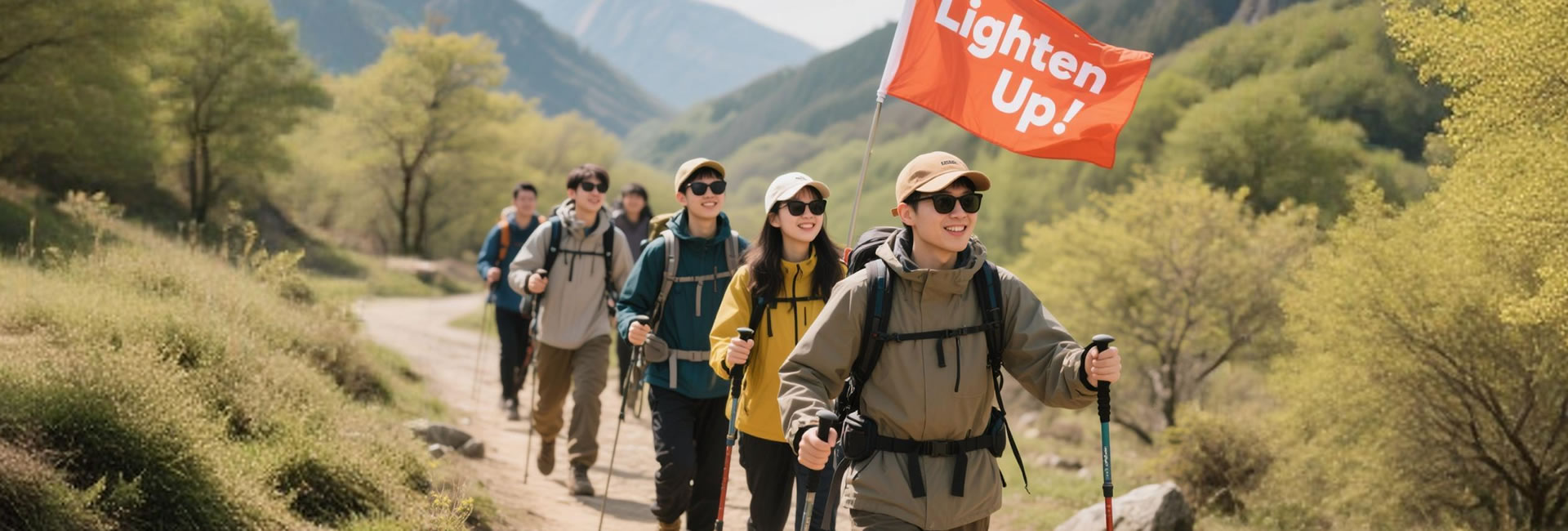
Welcome to LightenUp Outdoor-Use Store. Established on April 16, 2024, our store is dedicated to providing climbers with top-quality gear designed to enhance safety, performance, and enjoyment during their outdoor adventures.

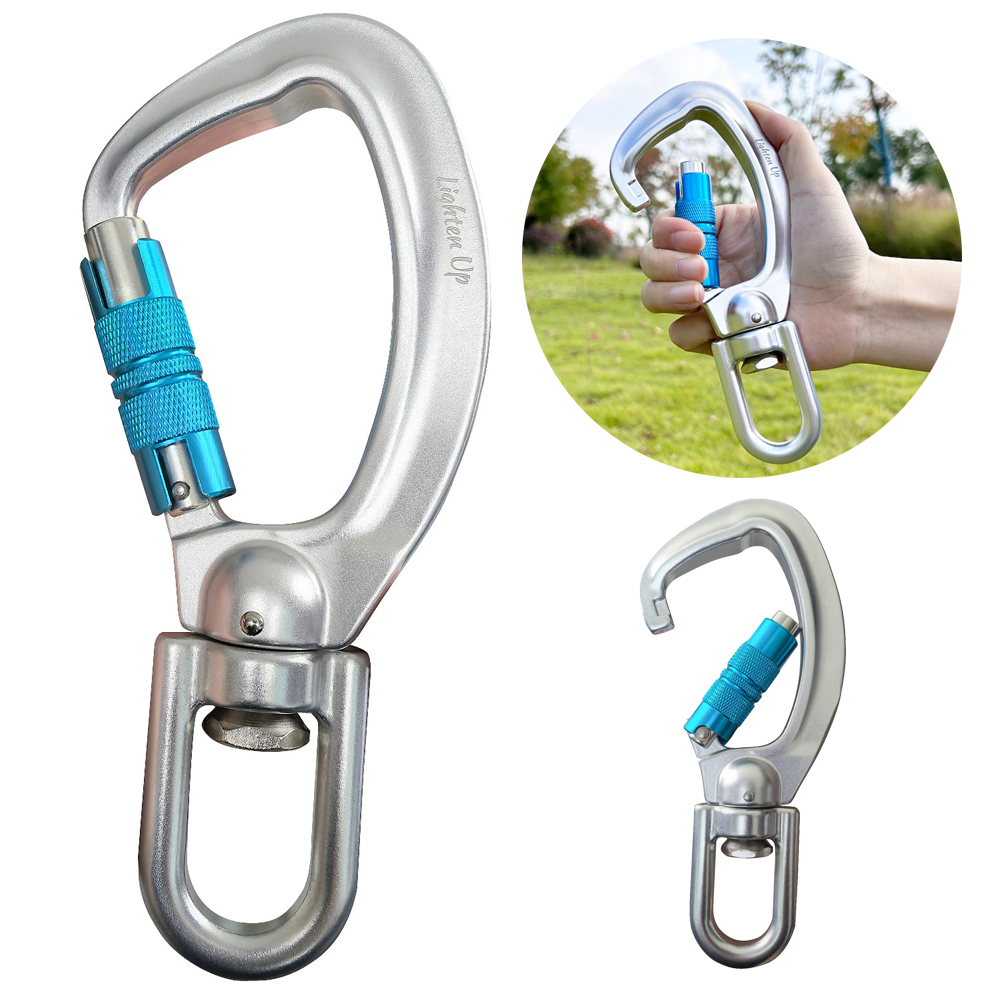
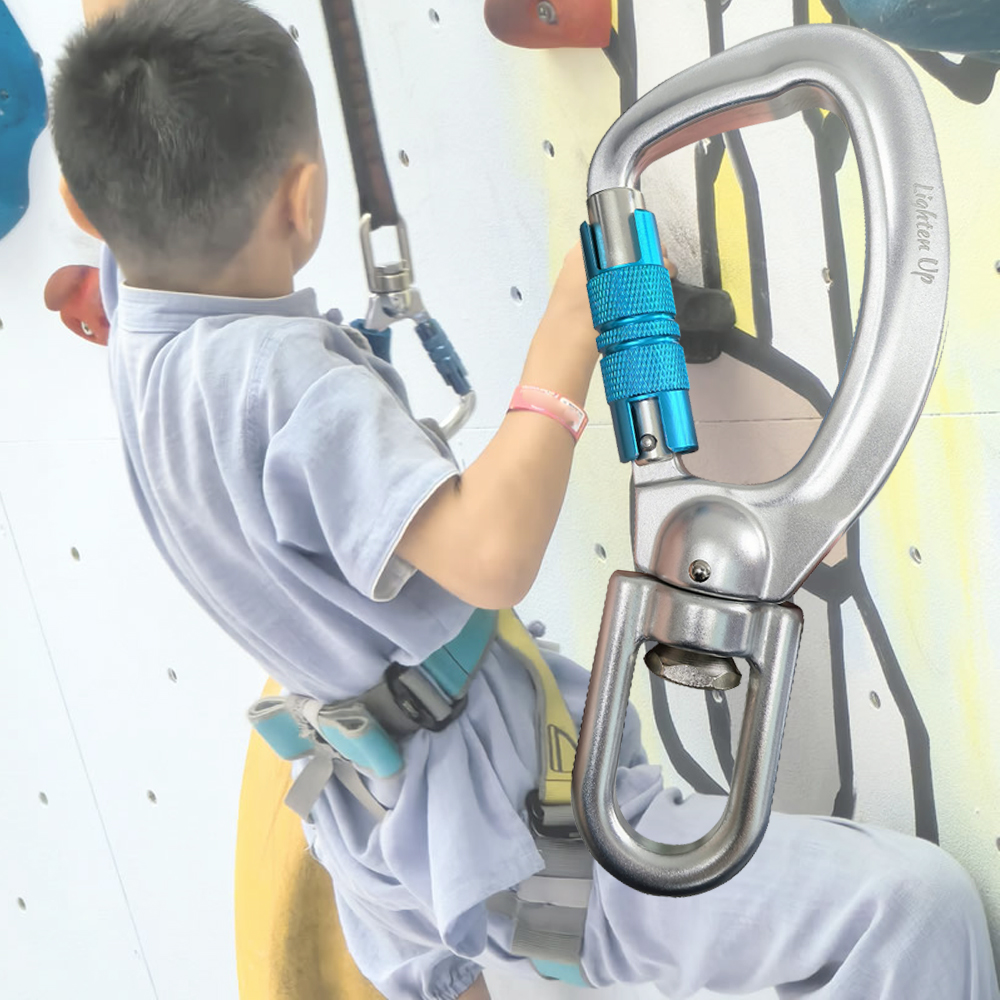
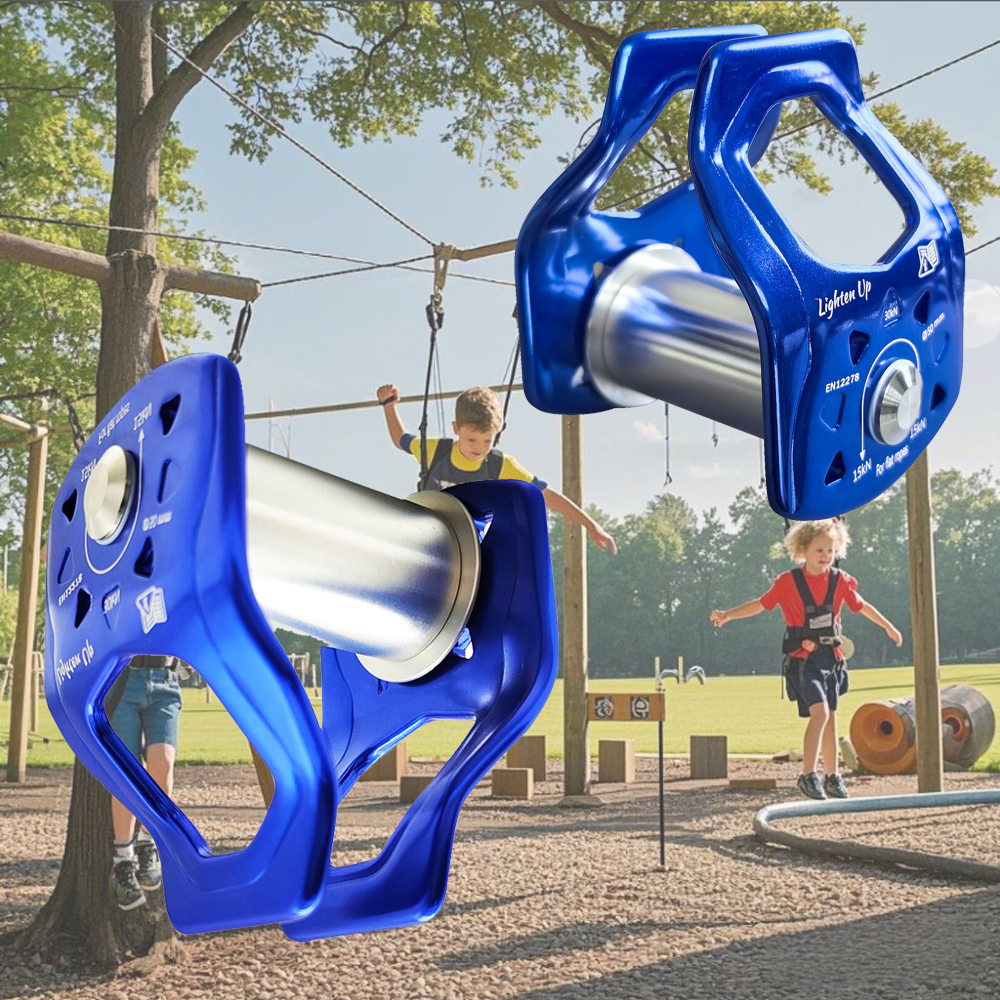
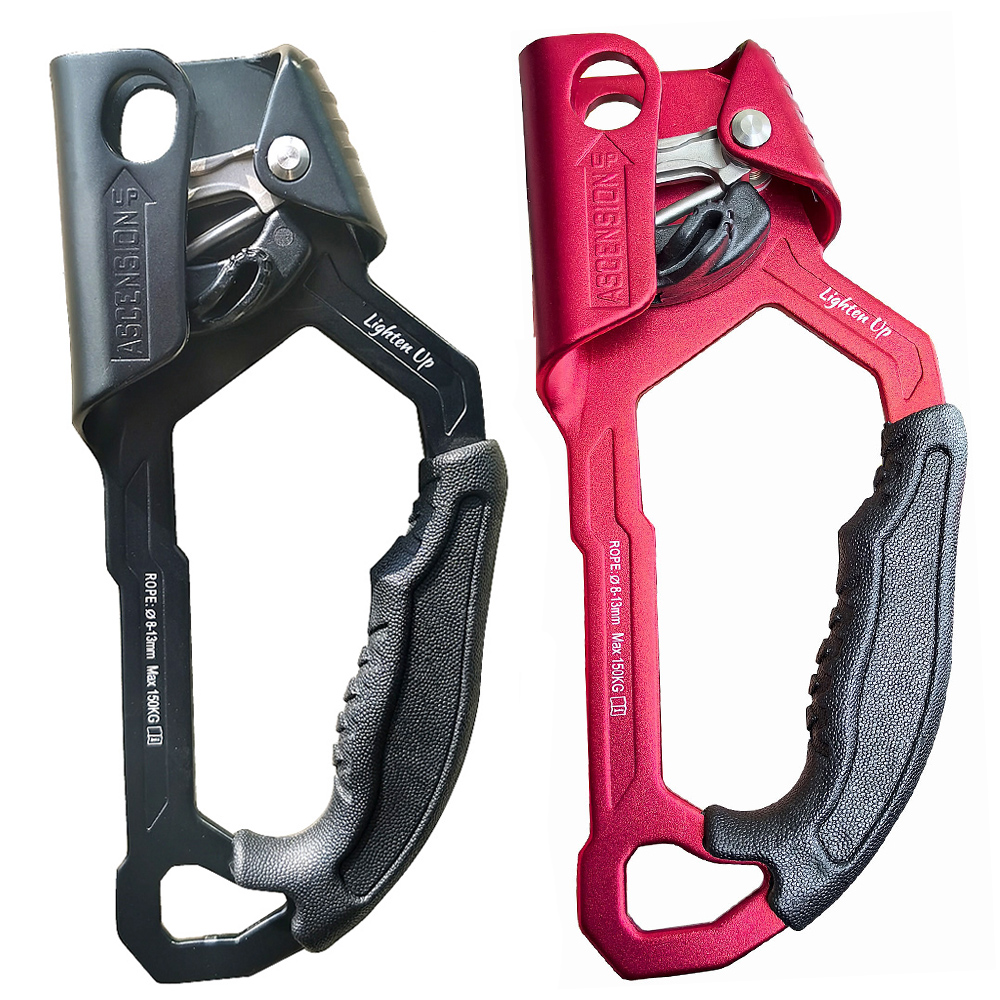
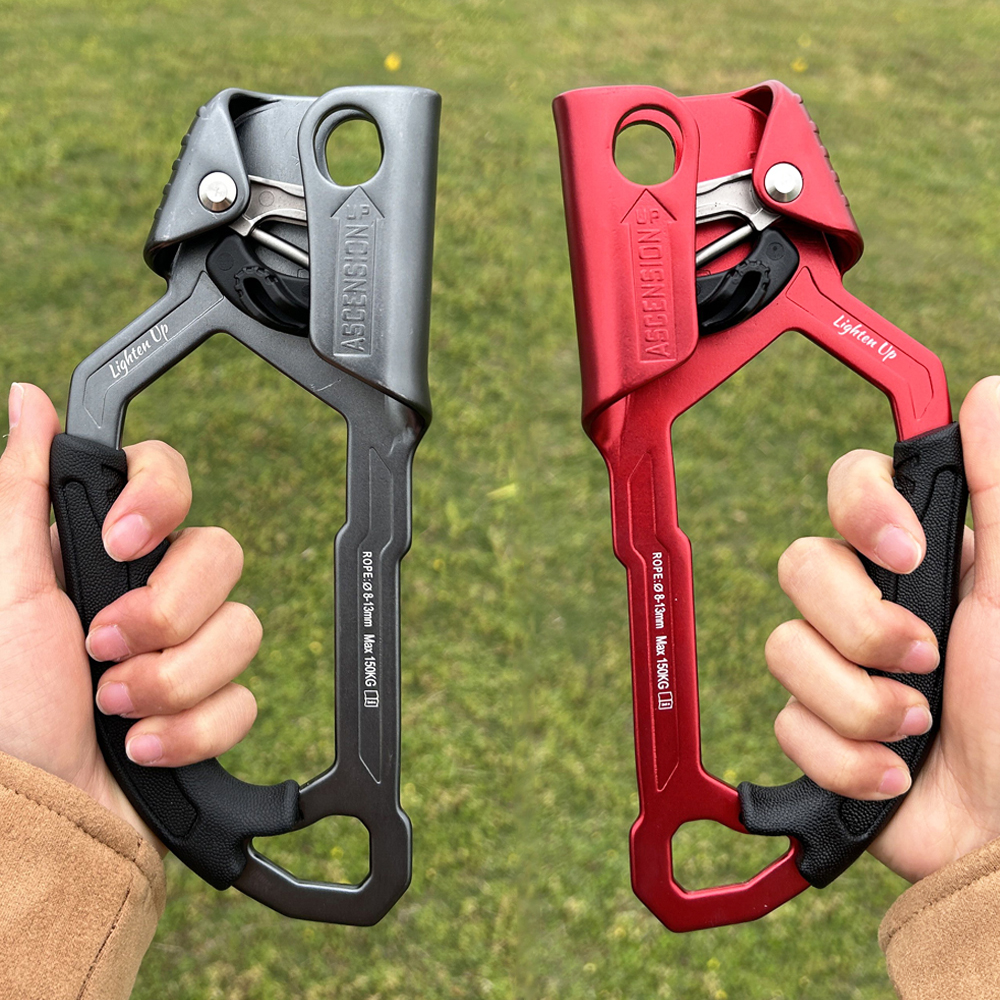
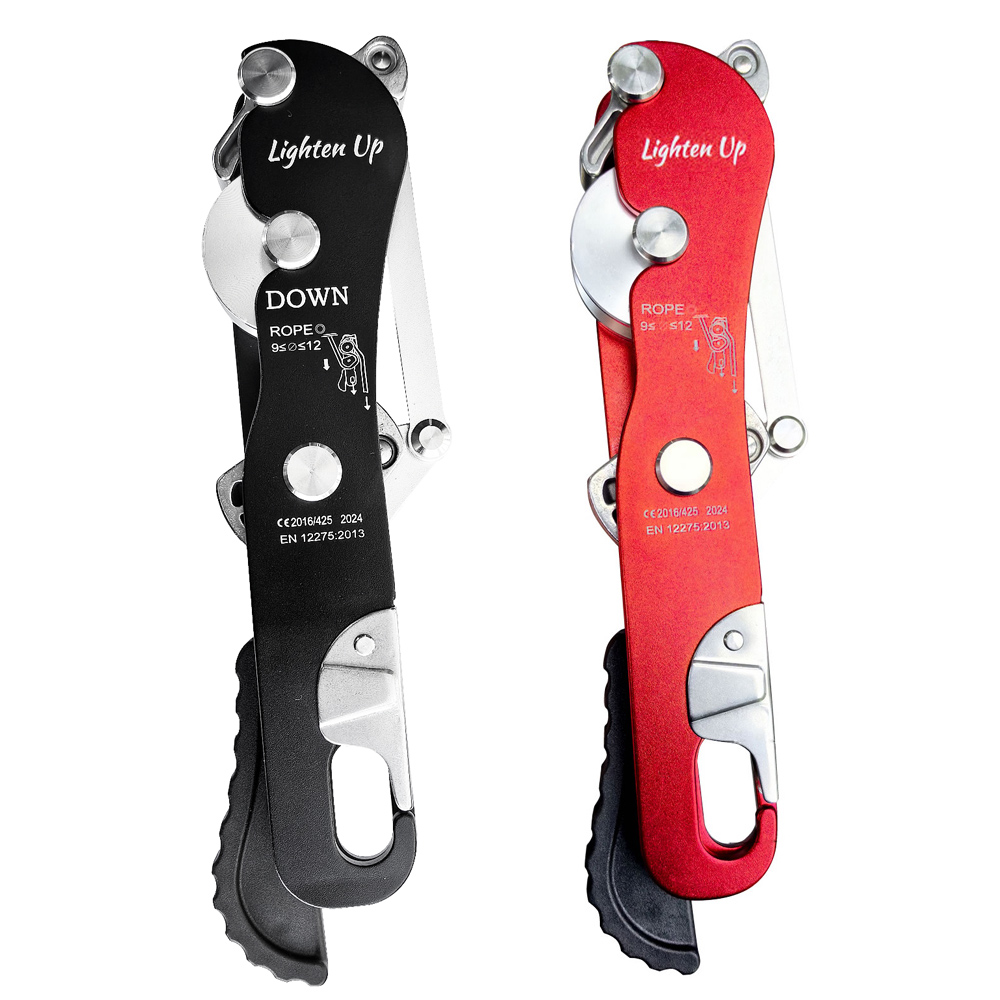
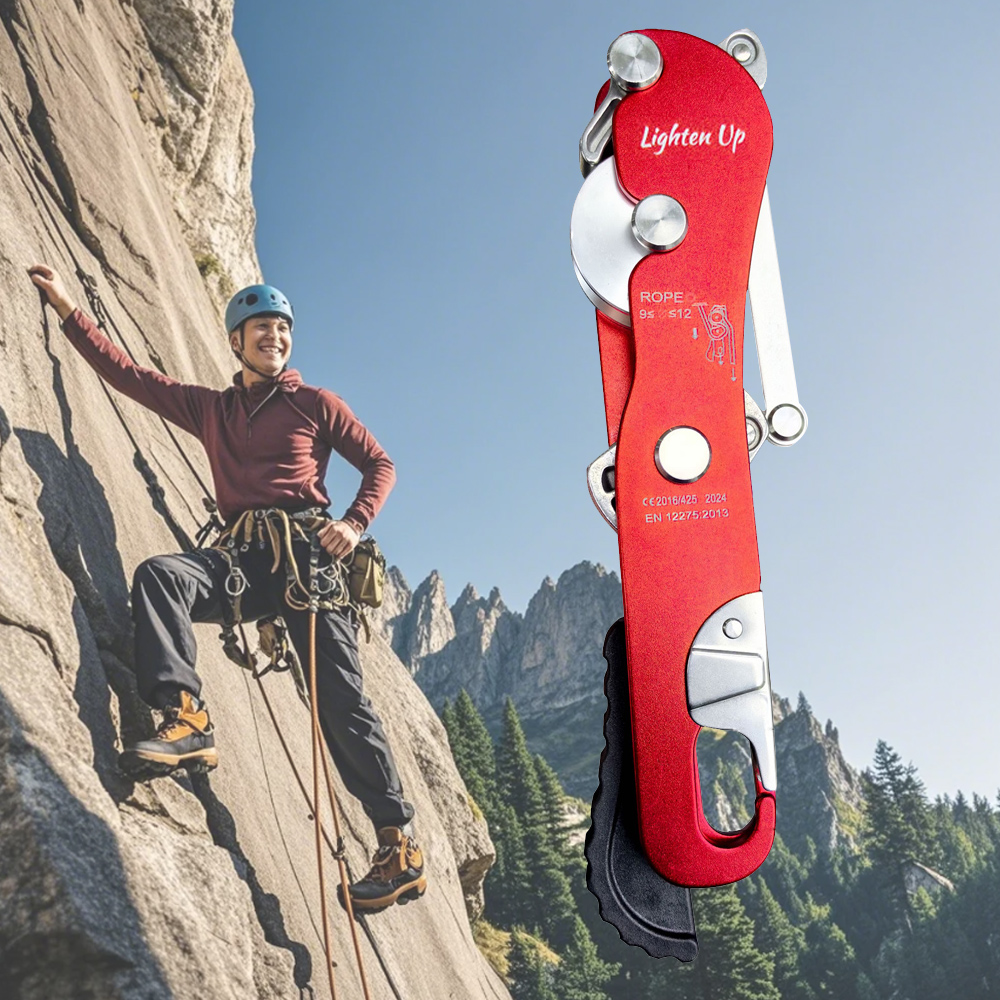
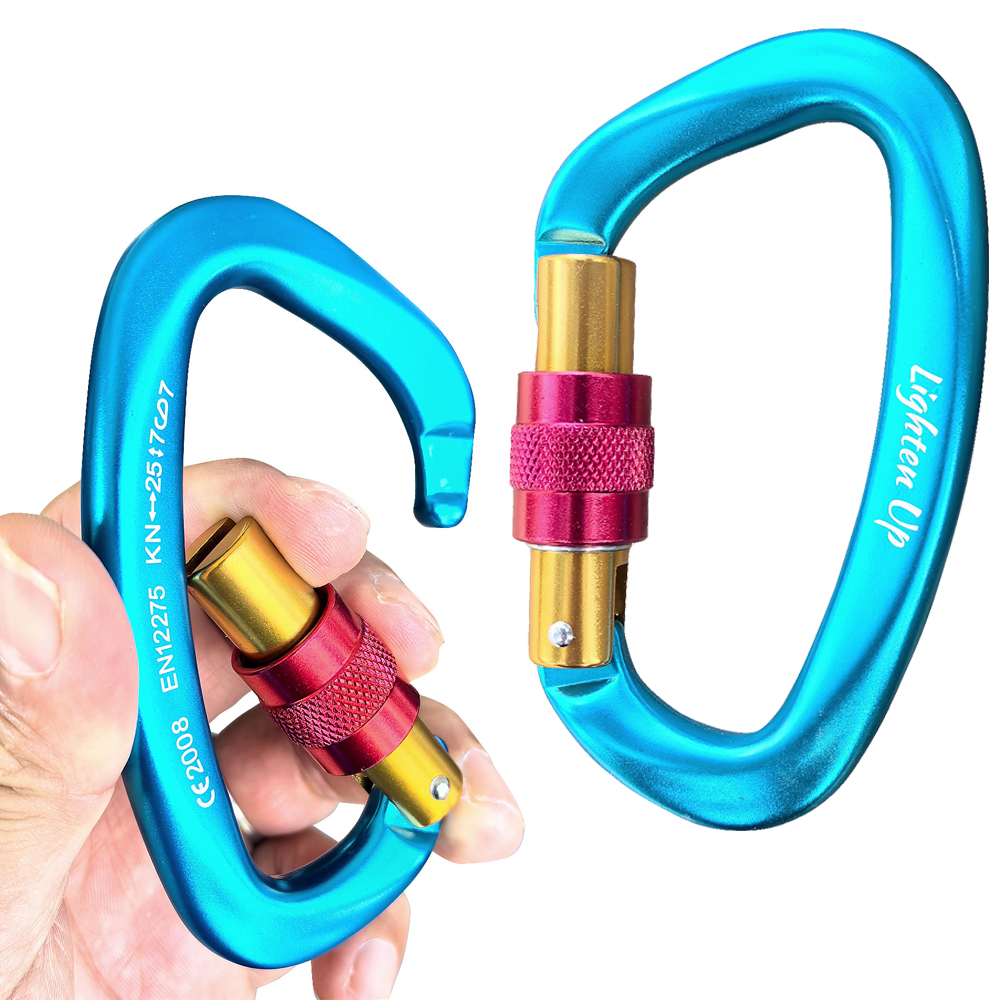
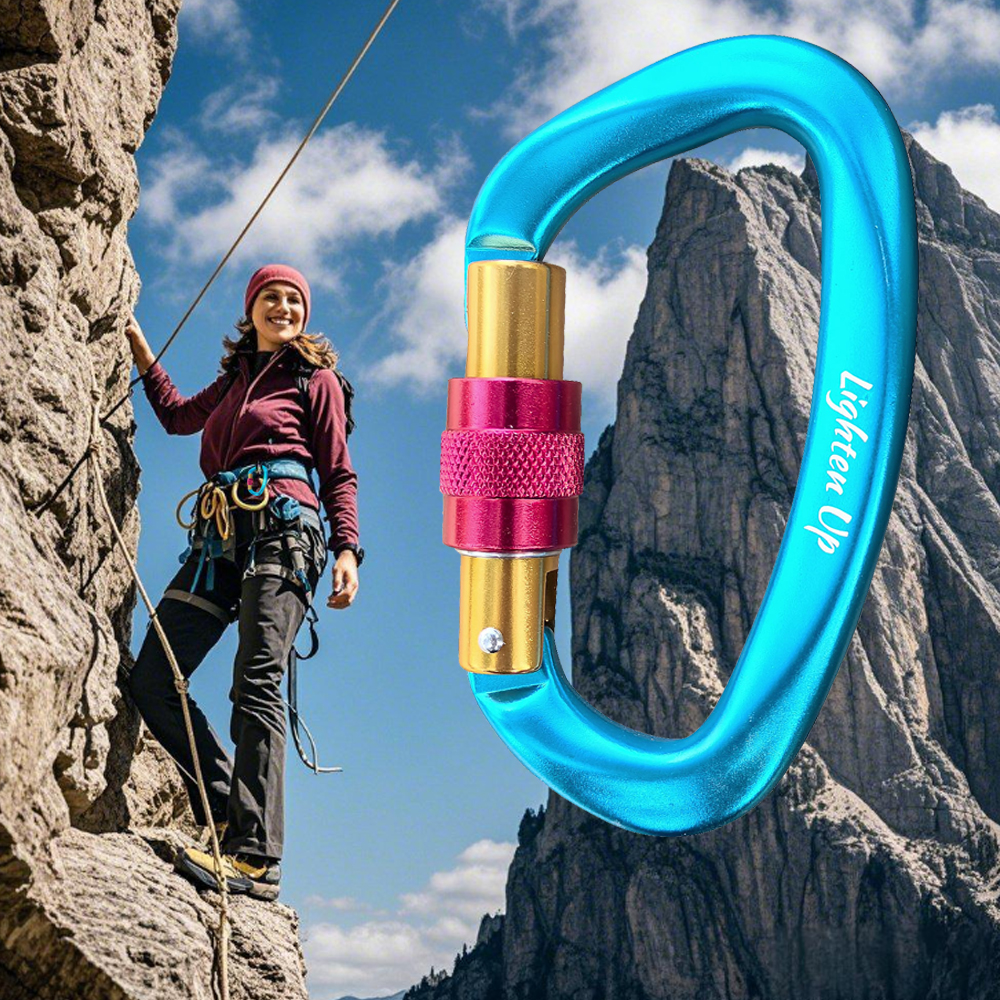
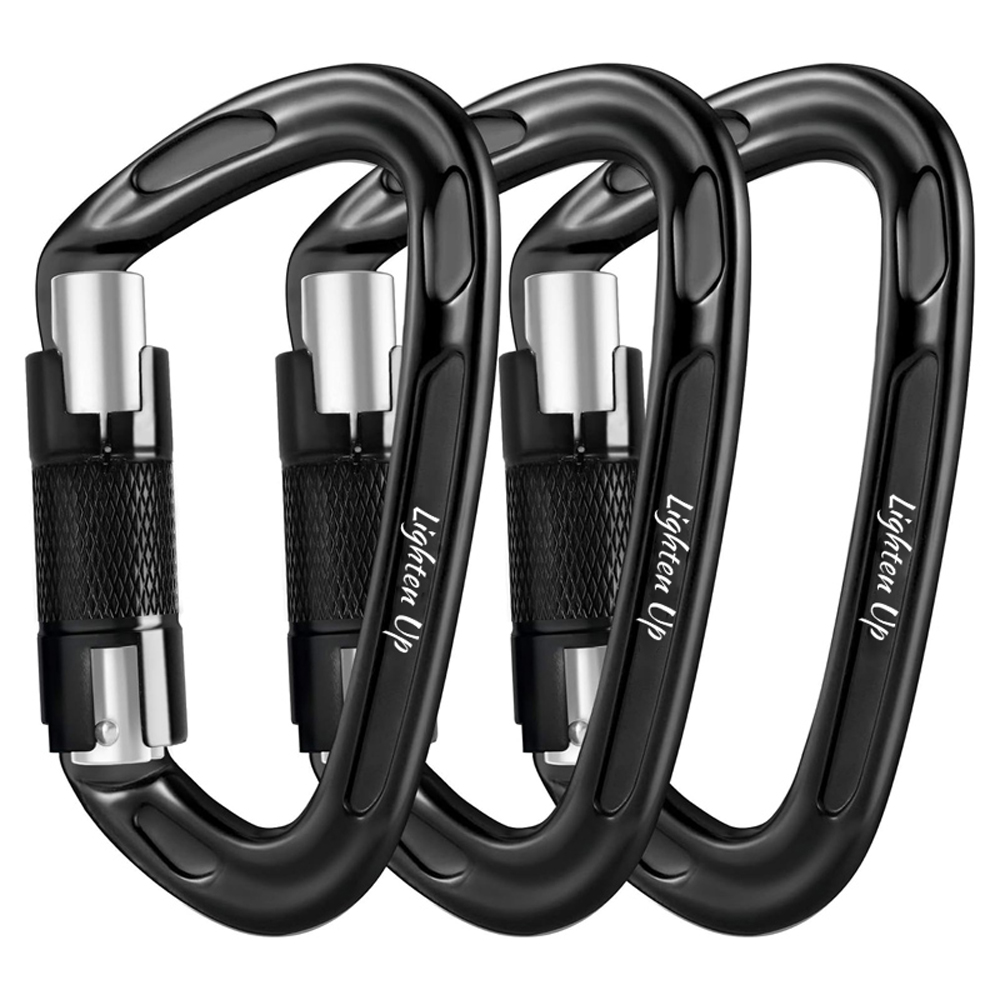
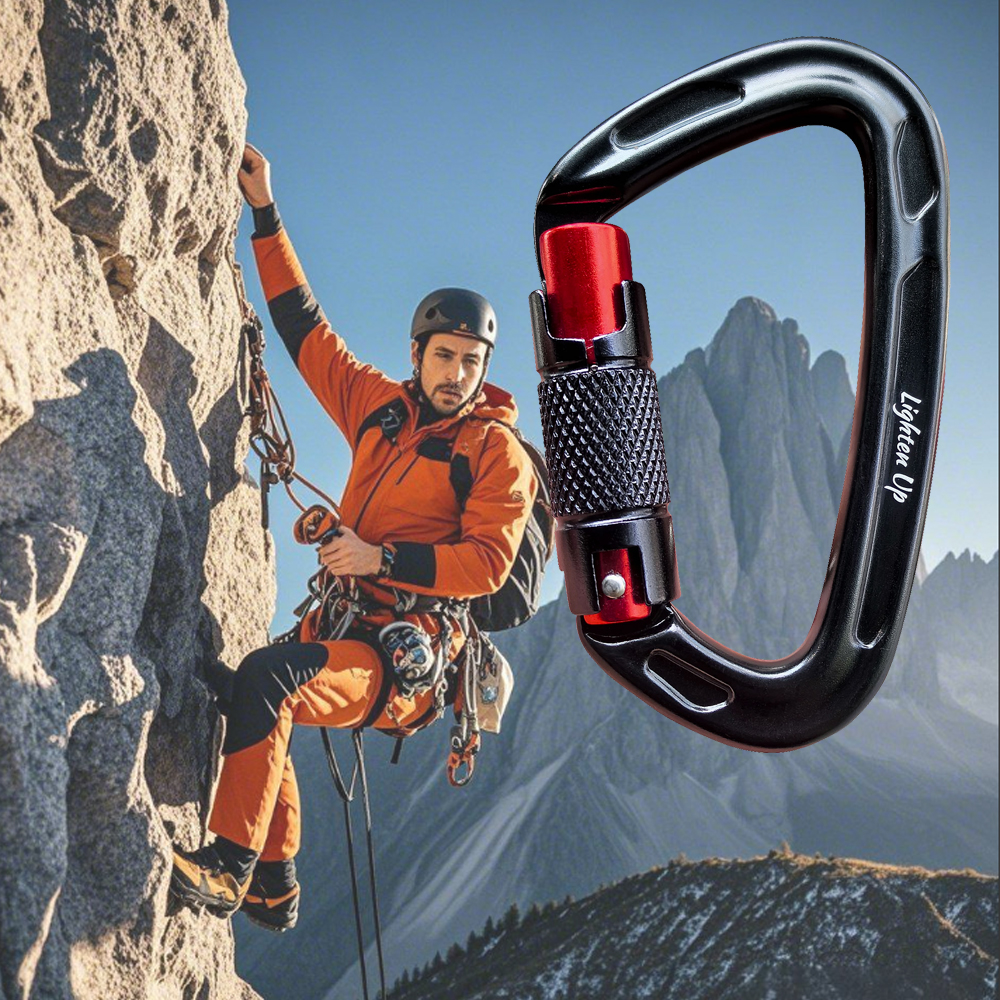
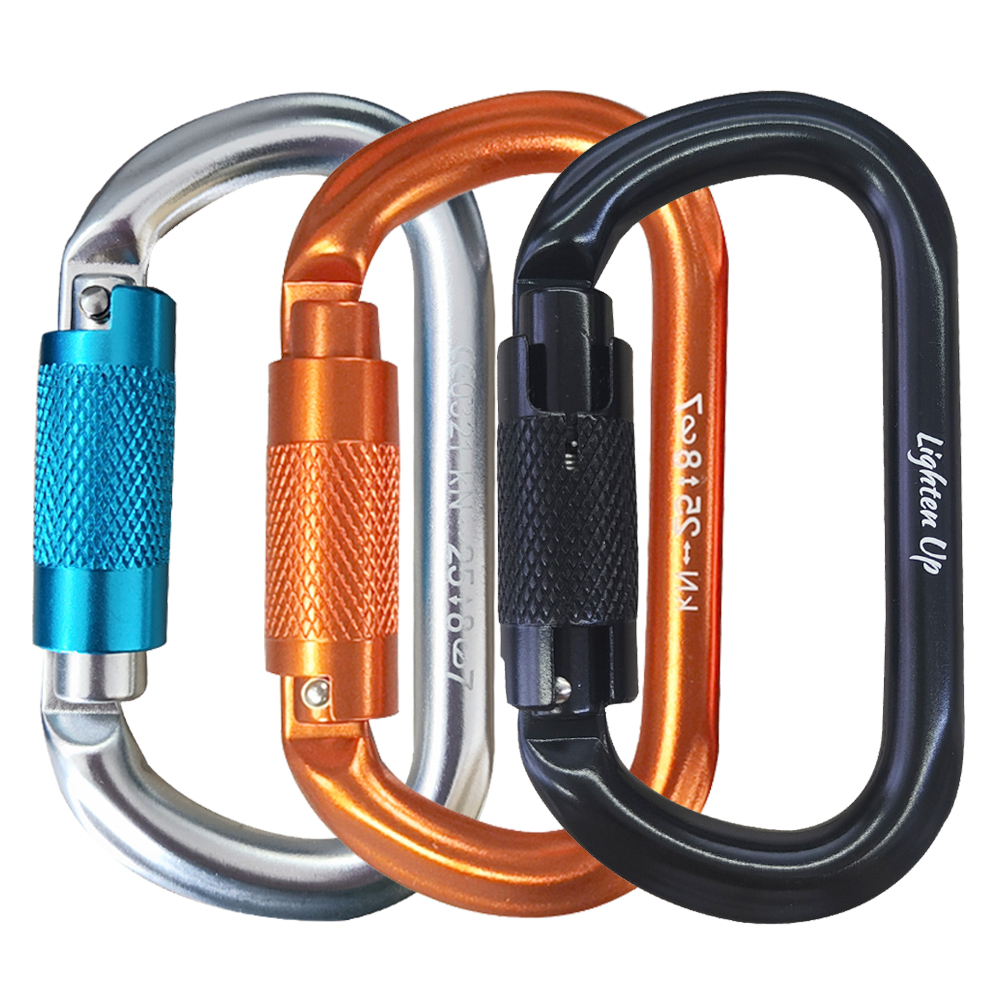
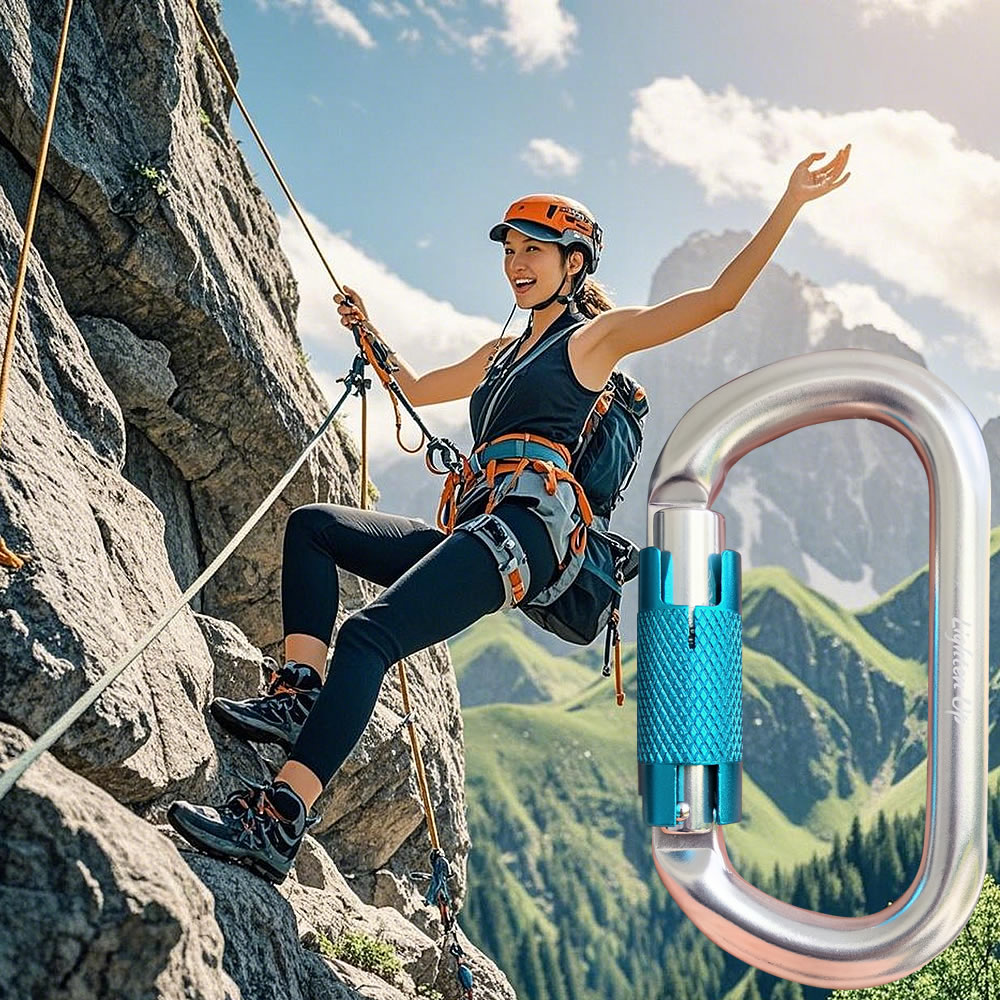
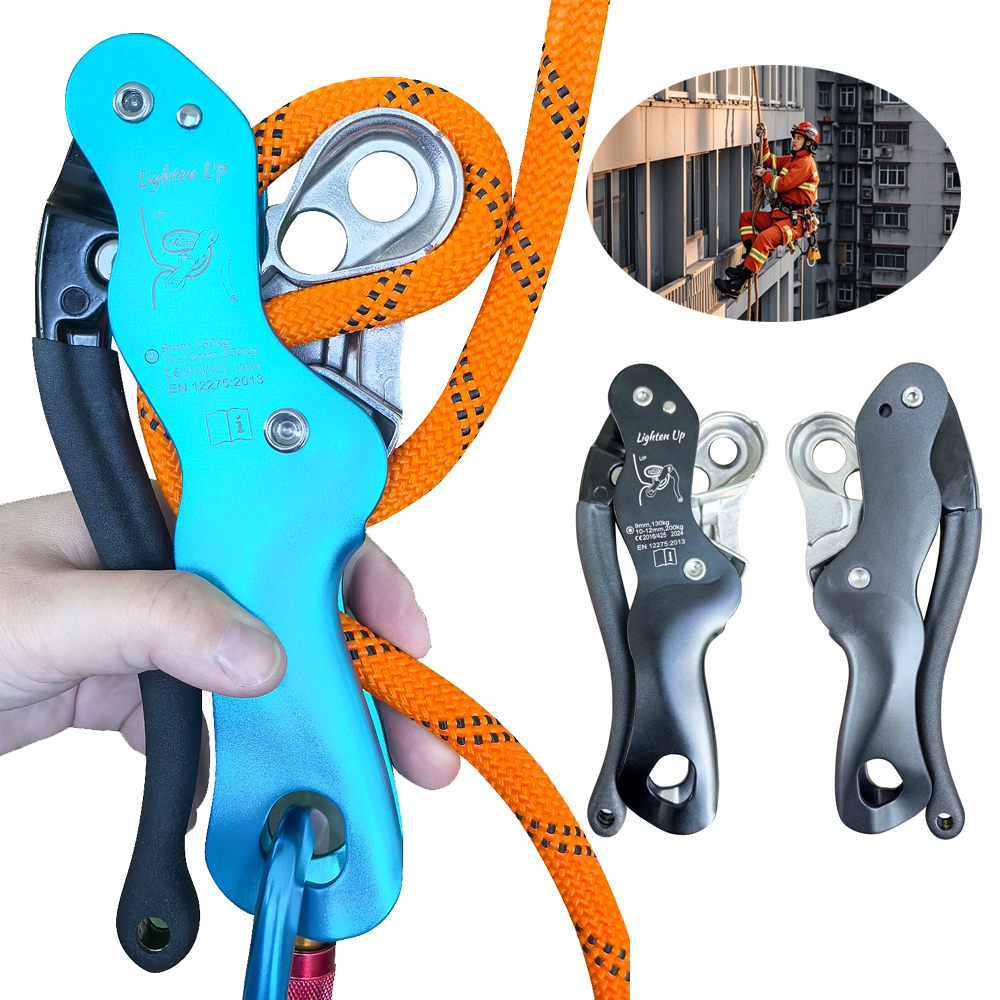
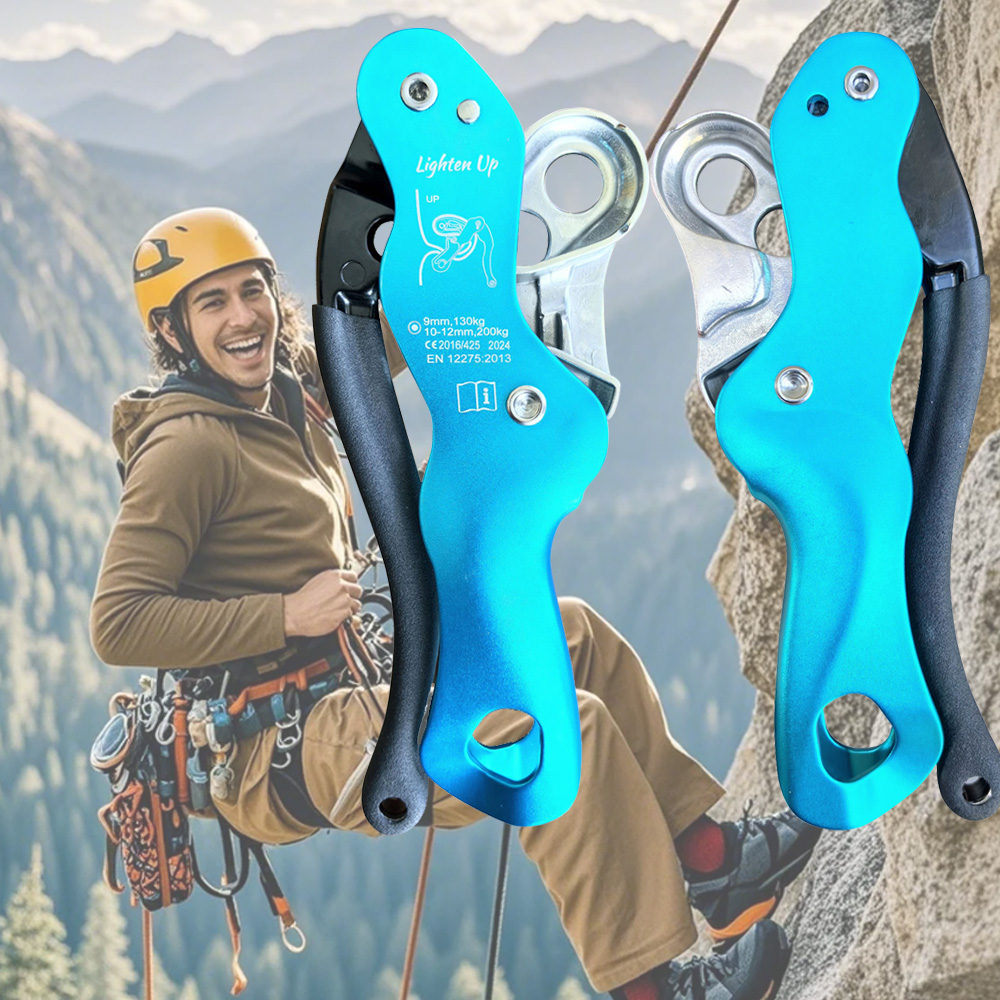
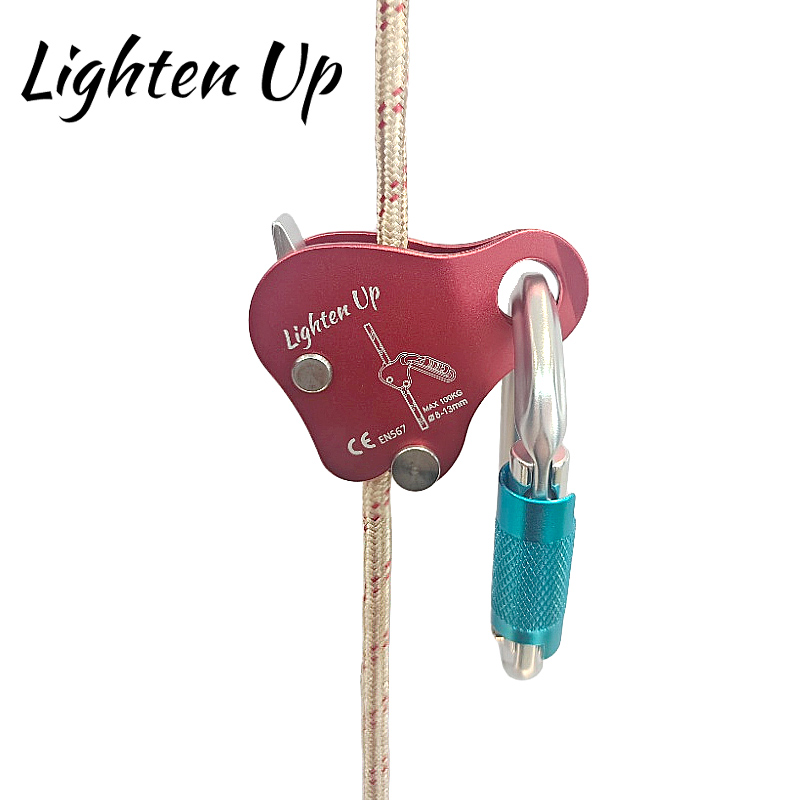
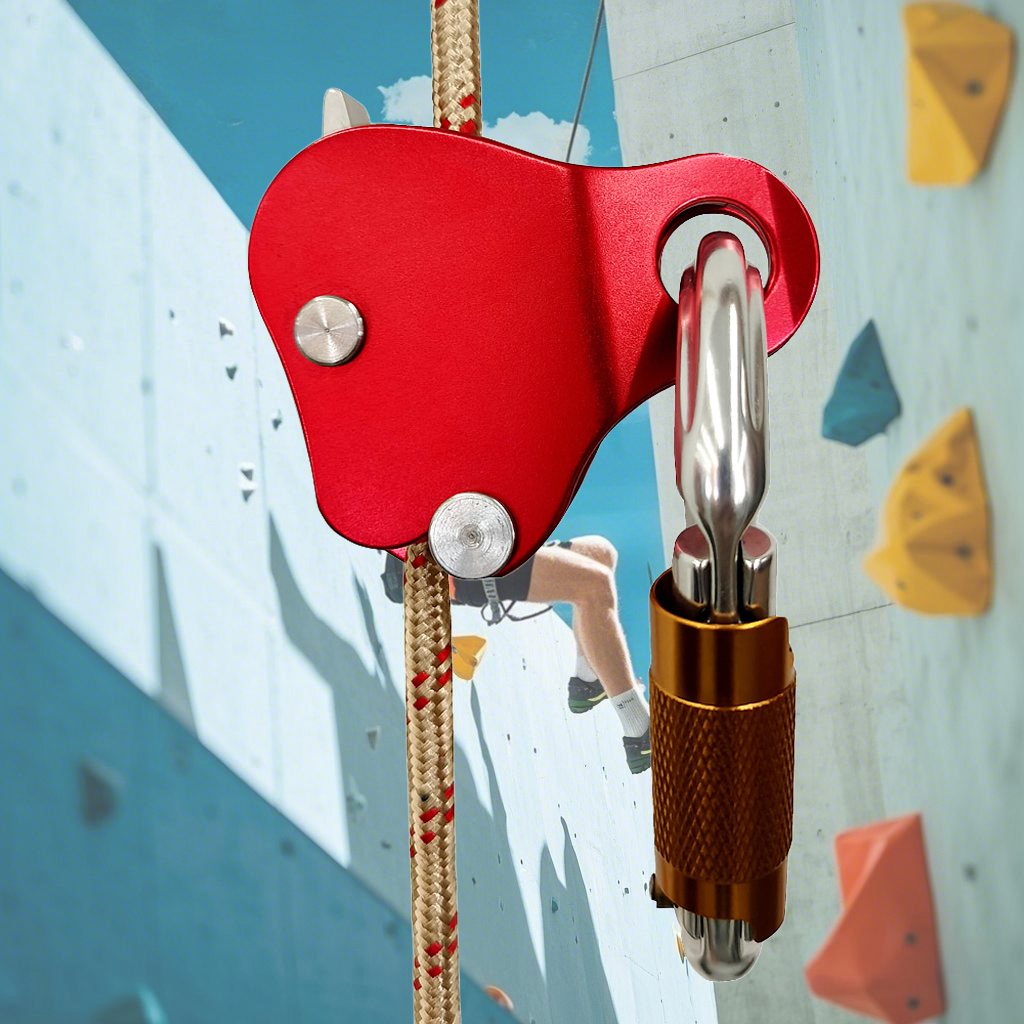
23KN automatic lock buckle heavy-duty D-shaped buckle bag climbing rope hammock lock clip

Aluminum Alloy material, safe, quality and durable. Model: Auto-locking - Master lock, safety buckle, carabiner, quickdraw, meet your outdoor desire. - For Outdoor Rock Climbing Mountaineering, travel kits, survival gear, outdoor accessories. - Name:Safety Buckle Carabiner Quickdraw - Material:Aluminum Alloy - Size: 10.7 * 6.7cm / 4.1 * 2.5in - Biggest Opening: 2.6cm - Color: as the picture show - Suitable Tension: 23KN (about 2300kg)

Latest Blog Posts

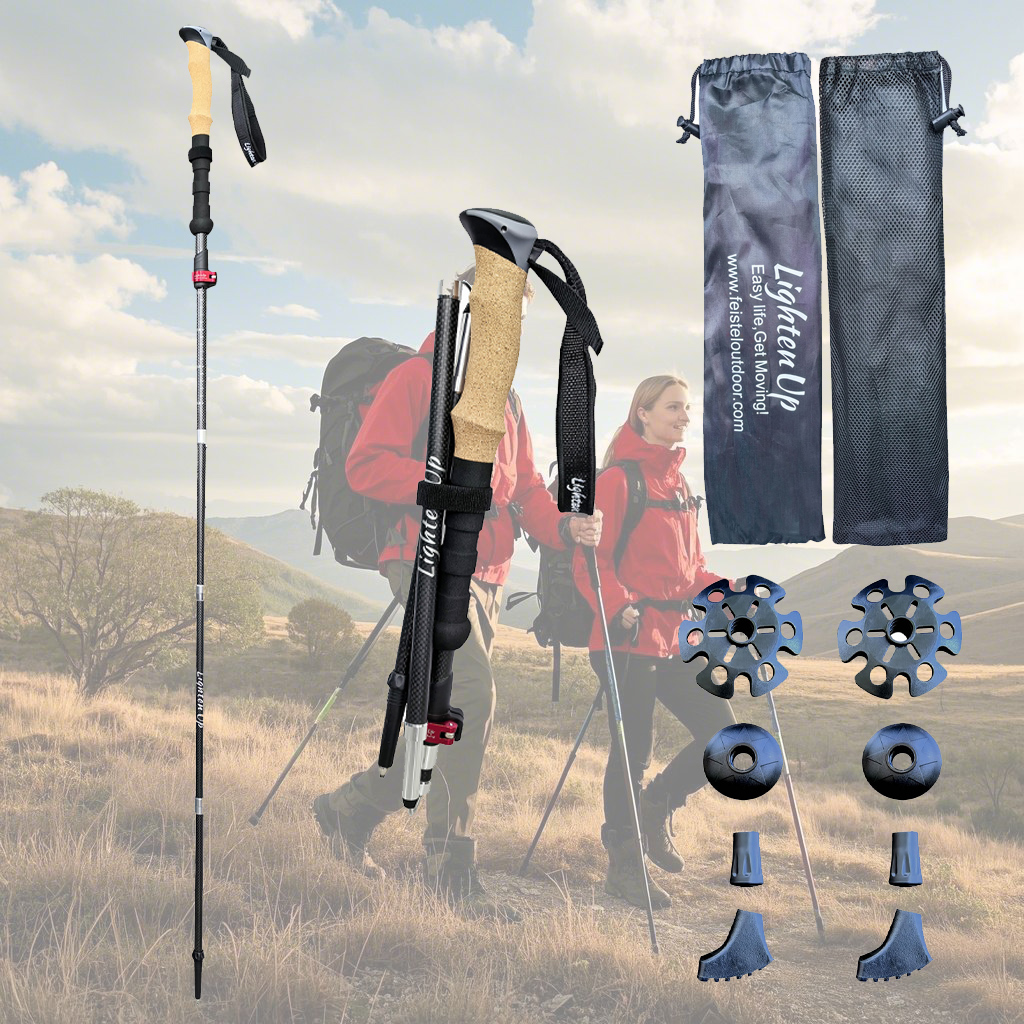
Walking Pole for Wildlife Encounters – How to Use? A Complete Guide to Safe Deterrence

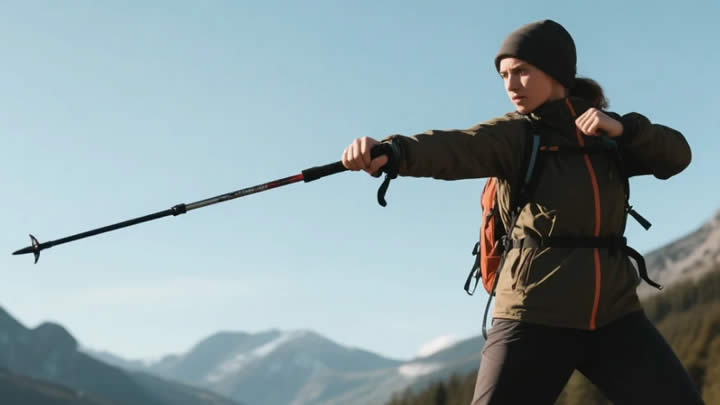
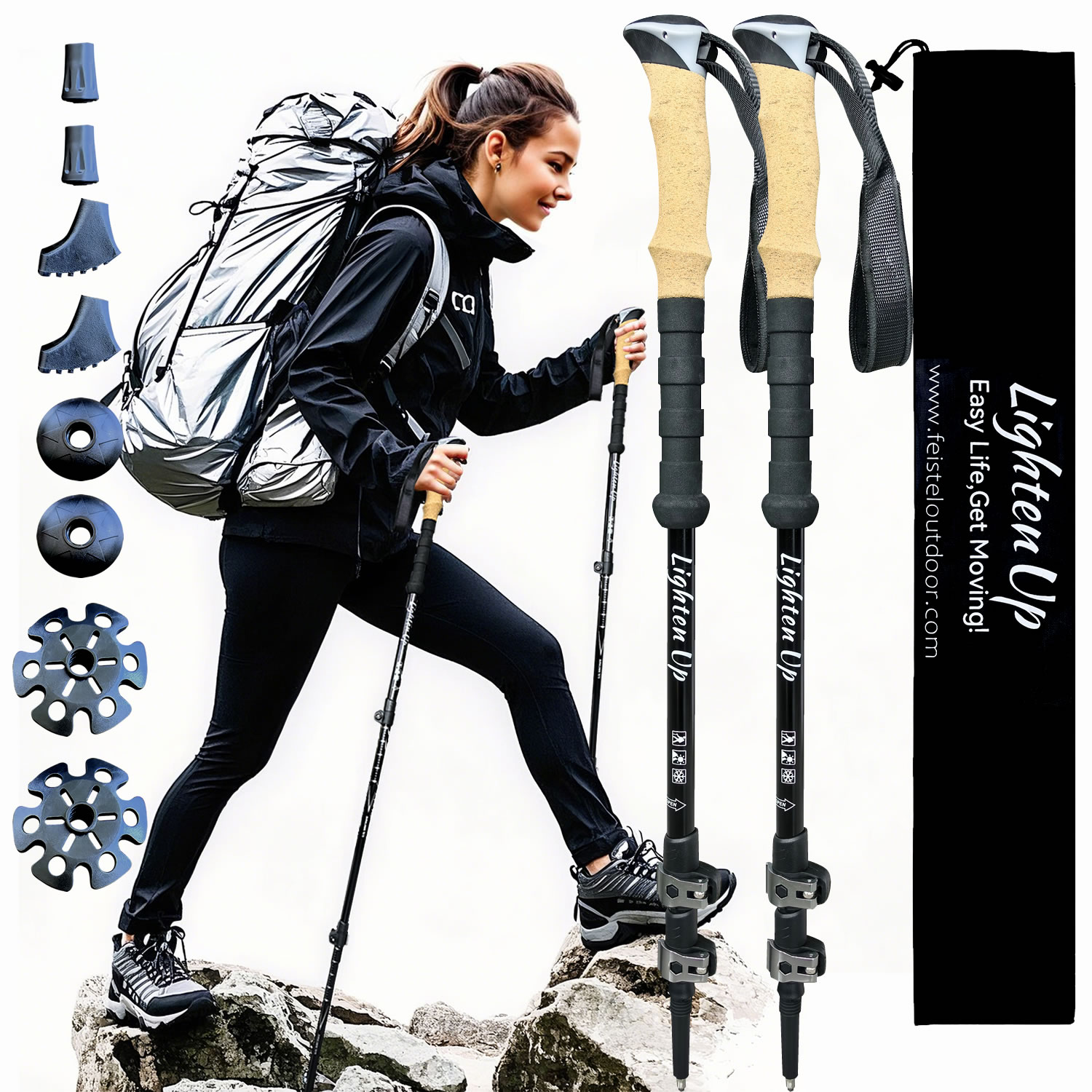
Yes, use your pole to create distance and communicate calmly. Never run—this can trigger a chase response. Hold the pole vertically to make yourself appear larger; raise it if you need to. Speak calmly and back away slowly, never turning your back. If approached, keep the pole between you and the animal, using it as a barrier. For dogs: a firm “No!” and planting the pole can deter without striking. Never poke or swing aggressively unless it's a last resort for your safety. Poles are for deterrence, not aggression. In true danger, priority is retreat, not confrontation. For specific wildlife (bears, moose, etc.) consult local park guidelines—poles alone are not a substitute for proper wildlife safety protocols.

Using Walking Pole to Test Trail Depth (Mud/Water)? A Complete Guide to Safe Terrain Assessment

Yes, use your pole as a "depth gauge" before stepping. Grip the pole normally (no wrist straps) so you can drop it if needed. Plant it vertically into the suspicious spot, not at an angle. Push down gently until you feel the bottom or the pole reaches maximum depth. Read the depth by noting how much pole disappears. If it goes past mid-shin, turn back or find another route. For water: Muddy water can hide depth. Probe methodically—a sudden drop-off can be dangerous. For mud: If the pole sinks easily past your ankle, the mud is likely deep enough to swallow a boot. Move around the section or use rocks/tussocks for footing. Safety rule: Never test depth with your foot first. Let the pole take the risk.

How to Avoid Over-Reliance on Walking Poles? A Guide to Balanced, Confident Movement

Use poles as support, not a crutch. To avoid over-reliance: Practice without poles occasionally on easy terrain to maintain your natural balance and leg strength. Use poles more for descents (knee protection) and less on gentle flats where you don’t need them. Don’t lean heavily into poles on climbs—keep driving with your legs. Engage your core and maintain upright posture even when using poles. Strengthen your stabilizer muscles with balance exercises (single-leg stands, side lunges) when not hiking. Poles should enhance your walking, not replace your body’s natural ability. Treat them as a tool to share the load, not to offload all your stability. A good test: on a gentle slope, try a few steps without poles. If you feel unsteady, your body—not just your gear—needs training.

Free delivery worldwide

Free delivery for orders over $65 worldwide

Secure payments

Secure payment through PayPal or credit card

Quality purchase

30-Day return policy

Friendly customer service

Part replacement service

Subscribe today to hear first about our sales
Inquire for more cooperation or product information.
We will contact you within 1 business day. Please check your email.
Name
Mail
Phone
Message
Send

Feistel Outdoor

We reply immediately
Welcome to our website. Ask us anything 🎉

Start Chat with: