




How to Pronounce Carabiner
The word "carabiner" often gives people pause. If you've ever wondered about the correct way to say it, you're not alone. With its roots in German and its adoption into English outdoor vernacular, its pronunciation can seem tricky at first glance. The most widely accepted and recommended pronunciation is the four-syllable version: /ˌkær.əˈbiː.nɚ/, phonetically sounding like "care-uh-BEE-ner."
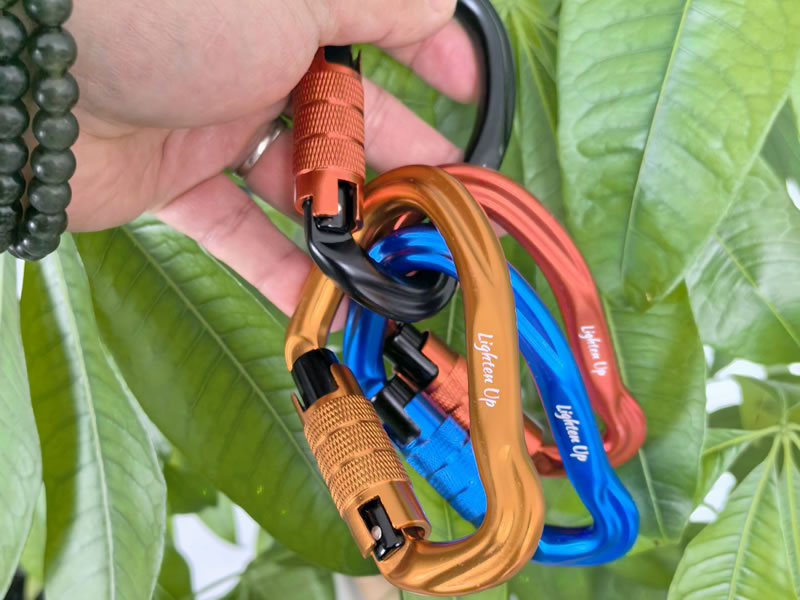
Let's break it down syllable by syllable:
- Care: The first syllable rhymes with "hair" or "bear."
- Uh: The second syllable is a quick, soft schwa sound (like the "a" in "about").
- Bee: The third syllable is stressed—it's the longest and loudest part, rhyming with "see."
- Ner: The final syllable is a quick, soft "ner," similar to the end of "listener."
The Common Alternative and Its Validity
You will frequently hear a three-syllable variant: "CARE-uh-biner" (with the "biner" sounding like "binner" or "biner" in "combiner"). This pronunciation is extremely common, particularly in North America, and is universally understood within climbing and outdoor communities. While language purists and many professional guides might advocate for the four-syllable "BEE-ner" version, "CARE-uh-biner" is considered an established and acceptable alternative. The choice often comes down to regional dialect and personal habit.
Why the Confusion? A Look at Etymology
The uncertainty stems from the word's origin. "Carabiner" is a shortened form of the German word "Karabinerhaken," meaning "carbine hook." It was used by soldiers to attach their carbine rifles to their gear. The German pronunciation of "Karabiner" places emphasis differently. As the word migrated into English, it underwent a natural process of anglicization, leading to the two primary pronunciation streams we have today.
Practical Guidance for Use
So, which one should you use?
- For Clarity and Formal Instruction: Opting for "care-uh-BEE-ner" is often seen as the most precise and is frequently used in educational settings, guide certifications, and by gear manufacturers.
- In Everyday Conversation: Either is perfectly fine. Using "CARE-uh-biner" will immediately mark you as someone familiar with the culture, while "care-uh-BEE-ner" may sound slightly more formal.
- Key Takeaway: The critical point is being understood. Both pronunciations are correct in a practical sense. The far more important factor is your knowledge of how to use a carabiner safely, rather than how you say it.
A Note on Hearing It for Yourself
The best way to internalize the pronunciation is to hear it spoken aloud. Many online dictionaries, such as the Cambridge Dictionary or Merriam-Webster, offer audio clips. Simply search "carabiner pronunciation audio" to listen and practice.
In conclusion, while the four-syllable "care-uh-BEE-ner" is often cited as the standard, the three-syllable "CARE-uh-biner" is a deeply entrenched and valid alternative. Armed with this knowledge, you can now say the word with confidence, whether you're discussing safety protocols at a crag or simply looking for one to organize your keys.




