




Advanced Poling Techniques for Maximum Efficiency on Long Trails
For the long-distance hiker, trekking poles are far more than simple balance aids; they are transformative tools for endurance and energy management. On a multi-day trek or thru-hike, where efficiency translates directly into conserved energy and reduced injury risk, mastering advanced poling techniques becomes a critical skill. Moving beyond basic rhythm, these methods focus on harnessing power, optimizing biomechanics, and creating a seamless, energy-recycling partnership between body and gear.
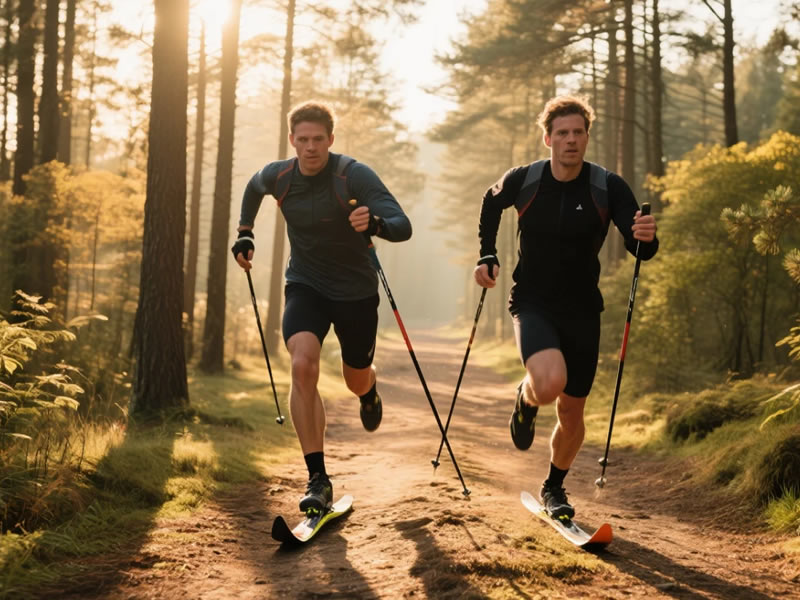
Recommended trekking pole purchase link: https://s.click.aliexpress.com/e/_c4M7OWaN
1. The Kinetic Chain & Perfect Push: The Engine of Efficiency
The core principle is to engage your entire posterior chain—a powerful kinetic chain from your hand through your back and core to your driving leg.
- Technique: Don't just "place" the pole. Focus on a powerful, rearward-directed push. As you plant the pole (opposite your forward foot), imagine you are pushing the ground behind you. Drive through the wrist strap—not your grip—initiating the movement from your latissimus dorsi (the large back muscles) and core. This transfers significant propulsion to your torso, actively aiding your forward momentum rather than just offering a point of contact.
- Benefit: Reduces quadriceps fatigue on climbs, increases flat-ground speed with less perceived effort, and engages major muscle groups to distribute workload.
2. Dynamic Length Adjustment: The Terrain Anticipator
Static pole length wastes energy. Efficiency demands pre-emptive adjustment.
- Technique: Adjust your poles just before the terrain change. Shorten them 5-10cm for sustained climbs to maintain an efficient, forward-leaning posture and a powerful, leveraged push. Lengthen them 5-15cm for descents before you start down. This allows you to keep your torso upright, use your arms to absorb shock, and create a braking effect, saving your knees and quads.
- Benefit: Maintains optimal biomechanics for each terrain, preventing the inefficient, hunched posture of long poles uphill or the jarring, overreaching strain of short poles downhill.
3. Cadence & Rhythm Refinement: Finding the Sweet Spot
Different terrains demand different rhythms. The goal is a smooth, energy-recycling pendulum swing.
- On Flats & Gentle Grades: Aim for a fast, light cadence. The pole tip should "kiss" the ground in time with your opposite footfall, providing a continuous, metronomic rhythm that sets a brisk, sustainable pace.
- On Steep Climbs: Switch to "Double-Poling" or a Power Rhythm. For very steep sections, plant both poles simultaneously and pull/push your body upward between them. This "four-wheel drive" mode delivers maximum power.
- On Technical Terrain: Use a "Probe and Plant" rhythm. The pole becomes a sensory probe first, testing stability, then a secure anchor. This deliberate pace prevents falls and conserves energy otherwise spent on recovery from slips.
4. Upper Body Mechanics & Grip Management
Prevent hand and shoulder fatigue—a common issue on long trails.
- Grip: Never "choke" the grip. Maintain a relaxed, almost open-handed hold, with the strap bearing the load. On long descents, "choking down" on the pole shaft below the grip can provide better leverage and change muscle engagement.
- Strap Mastery: Always use the straps correctly (hand from below). On the push phase, let the strap take the full tension, allowing you to momentarily open your palm. This prevents "white-knuckle" fatigue and blisters.
- Arm Swing: The power should originate from your shoulder and back, not your elbow. Keep your arm relatively straight during the push phase for a longer lever and greater force transfer.
5. The Silent Pole Test
A key indicator of efficiency is the sound your poles make.
- Inefficient: A loud, jarring CLACK with each plant indicates you are stabbing the ground and braking your forward momentum. Energy is being wasted on vertical impact.
- Efficient: A quiet, brushing swish-thud. The pole sweeps into place with your forward momentum, and the push begins immediately. The energy flow is horizontal and propulsive.
6. Integration with Breathing & Pacing
The most advanced technique synchronizes your poling with your breath and overall pace strategy.
- Climbing: Establish a rhythm like: plant left pole (exhale), step right foot (inhale). This controlled breathwork helps maintain a steady aerobic pace and prevents burning out.
- Endurance Flats: Use a consistent, moderate rhythm that matches your target heart rate zone, using the poles to maintain pace without spiking your effort.
The Long-Trail Mindset: Conservation Over Power
On a 20-mile day, the goal isn't maximum power for 5 minutes; it's sustainable efficiency for 8 hours. The advanced hiker uses poles to create a flowing, low-impact, full-body gait that recycles energy from one step to the next.
Final Verdict:
Mastering these advanced techniques transforms your trekking poles from passive supports into active propulsion and conservation systems. By focusing on the kinetic chain push, dynamic adjustments, and refined cadence, you significantly reduce the systemic fatigue burden on your legs, protect your joints over thousands of repetitions, and unlock a smoother, faster, and more sustainable pace for the long miles ahead. Practice these techniques on shorter hikes until they become instinctual—your body will thank you by the end of your next long trail.




