




Lightweight Carabiners: Maximizing Performance When Every Gram Counts
In the world of climbing and alpine adventure, weight is more than just a number—it’s a critical factor influencing endurance, speed, and overall performance. Lightweight carabiners represent a pinnacle of engineering where advanced materials and intelligent design converge to shave off precious grams without compromising the non-negotiable standard of safety. Understanding their purpose, technology, and ideal use cases is essential for any climber looking to optimize their rack.
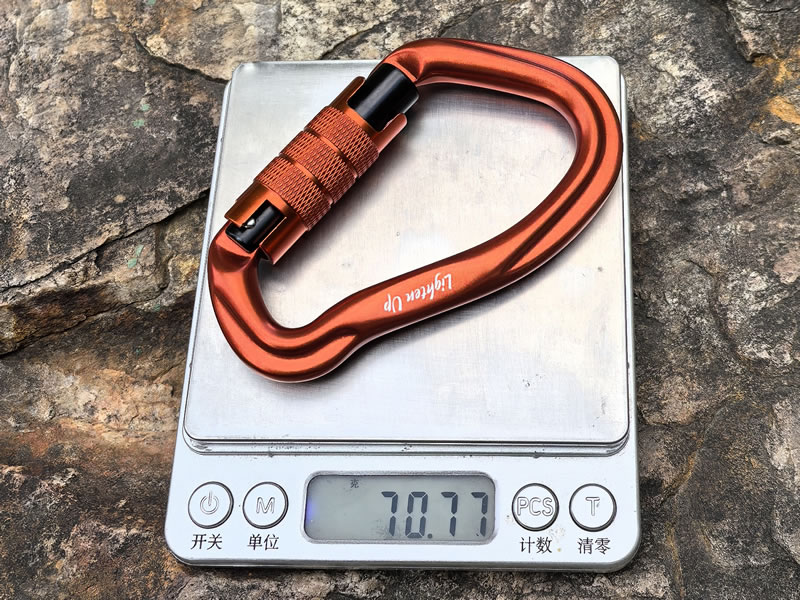
The Philosophy of Weight Saving
The drive for lighter gear stems from a simple principle: reduced weight leads to less climber fatigue, higher efficiency on long routes, and the ability to carry more essential gear or move faster. On a big wall or a multi-pitch alpine route, carrying dozens of carabiners means the cumulative weight difference between standard and lightweight models can amount to kilograms. This philosophy makes lightweight carabiners not a luxury, but a strategic tool for serious climbers.
Engineering the Weight Away: Key Technologies
Lightweight carabiners achieve their mass reduction through several key innovations:
- Premium Aluminum Alloys: The primary material remains high-strength aluminum (like 7075-T6), but it is strategically machined and sculpted to remove any unnecessary material, particularly in low-stress areas of the spine and gate.
- Wire Gates: Perhaps the single most significant feature of modern lightweight 'biners. Replacing the solid metal gate with a bent steel wire dramatically reduces weight and moving mass. This also minimizes “gate flutter”—the oscillation that can occur during a fall—and reduces the chance of freezing shut in icy conditions.
- Keylock or “Clean Nose” Design: This innovation eliminates the protruding notch (nose hook) found on traditional carabiners. The result is a smooth, snag-free profile that is lighter, prevents unwanted opening of other carabiners, and doesn't catch on ropes or gear slings.
- Hollow Pins and Rivets: The pins that hold the gate in place are often hollowed out, removing a few more minuscule grams with careful engineering.
Strength and Safety: Dispelling Myths
A common misconception is that lightweight means weaker. This is false. Reputable lightweight carabiners from brands like Black Diamond, Petzl, DMM, and Camp are fully UIAA/CE certified and meet the same stringent strength requirements as their heavier counterparts. A typical lightweight wire-gate carabiner will still have a major axis strength rating of 22 kN to 24 kN (approx. 4,945 – 5,395 lbf), more than sufficient for climbing forces. The safety margin is maintained through superior engineering, not excess material.
Primary Use Cases and Ideal Scenarios
- Sport Climbing Quickdraws: Lightweight wire-gates are the standard for the rope-end of quickdraws, facilitating smooth clipping and reducing weight on the harness.
- Alpine and Trad Climbing: Every piece counts when building a large rack for a long route. Using lightweight carabiners for all gear—cams, nuts, and alpine draws—significantly lightens the load.
- Extended Racks: When a route requires carrying 20+ carabiners, the choice of a model that is 10-15 grams lighter per unit translates to major overall weight savings.
- Helmet and Accessory Attachment: For clipping gloves or glasses to a harness or backpack.
Popular Models and Industry Benchmarks
The market offers excellent options that have become favorites:
- Black Diamond Nitron / HotForge: Known for a great balance of light weight, smooth action, and durability.
- Petzl Spirit and Ange: The Spirit is a legendary ultra-light bent-gate model, while the Ange series pushes the limits of minimalist design.
- DMM Alpha Sport: Renowned for its superb keylock nose and reliable performance.
- Camp Photon Wire: An outstanding value-oriented option that doesn't sacrifice performance.
A Crucial Caveat: The Locking Carabiner Exception
While non-locking carabiners can be aggressively lightened, the same is not advisable for locking carabiners used in life-support situations (belay, rappel, anchors). The locking mechanism itself adds weight, and the integrity of that mechanism is paramount. While lighter "HMS" or "pear-shaped" lockers exist (like the DMM Ultra O or Petzl Attache), the primary selection criteria should always be security and reliability of the lock, not minimal weight.
Choosing Your Lightweight Carabiner
Select based on your discipline. Sport climbers may prioritize a specific gate action for clipping, while alpinists might seek the absolute lightest option. Always handle a few models to test the gate action—a smooth, easy-to-open gate that you can operate confidently with one hand is vital.
In conclusion, lightweight carabiners are a testament to the evolution of climbing gear from brute strength to refined efficiency. They allow climbers to push further and faster, backed by the assurance that their essential connections are both incredibly light and uncompromisingly strong. By integrating them thoughtfully into your rack, you carry not just less weight, but more capability.




