




Carabiners for Backpack: The Essential Guide to Gear Organization and Access
In the world of hiking, travel, and everyday carry, the backpack is a constant companion. Maximizing its utility often requires smart organization, and this is where the humble carabiner proves indispensable. While not for life-support, carabiners for backpack use are transformative organizational tools that provide secure attachment points, instant access to essentials, and versatile problem-solving capabilities.
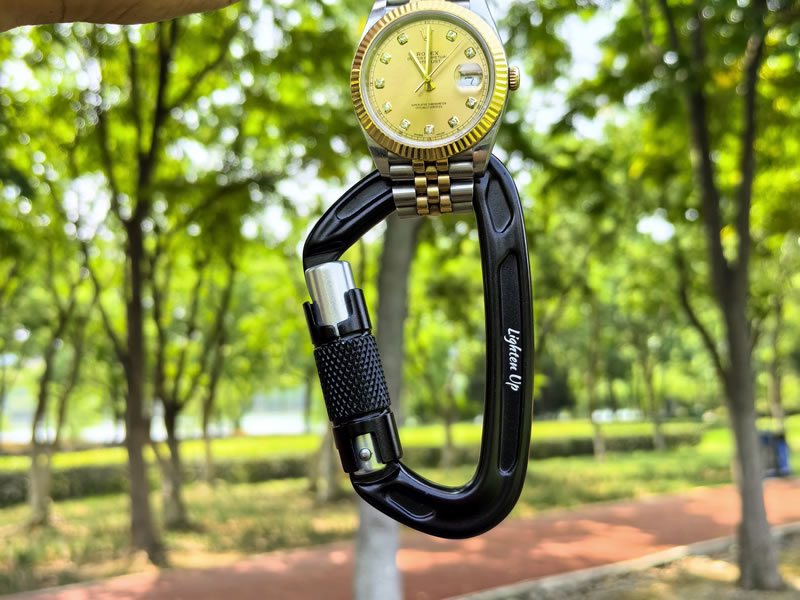
The Fundamental Role: Organization, Not Safety
The primary principle when using carabiners with a backpack is clear: they are for gear management, not for climbing or bearing human weight. Their strength is used to secure equipment, not to protect against falls. This distinction frees you to choose based on convenience and weight, not kilonewton ratings.
Why You Need Them: Core Functions and Benefits
- External Gear Management: Modern packs feature loops, daisy chains, and lash points for a reason. Carabiners unlock their potential.Hydration Access: Clip a water bottle or hydration system reservoir to a shoulder strap loop for hands-free, zero-effort drinking.Secure Pole Storage: Quickly attach trekking poles or ice axes when your hands are needed for scrambling, photography, or map reading.Layer Management: Hang a wet rain jacket, damp socks, or a pair of trail shoes outside your pack to dry without soaking other gear.Critical Access: Keep bear spray, a satellite messenger, or a compass on a hip-belt carabiner for immediate use.
- Internal Organization: End the "black hole" backpack search.Create an internal essentials kit by clipping together small, crucial items like a headlamp, multi-tool, whistle, and power bank. Attach this bundle to an internal loop, ensuring you can find them instantly.
- Versatile Problem Solving:Compression: Use a carabiner and a spare strap to compress a partially empty pack for better balance.Campsite Utility: Hang a lantern, create a gear drying line, or secure a food bag.Travel Security: In transit, use a locking carabiner to secure your pack to a fixed object as a theft deterrent.
How to Choose the Right Carabiner for Your Pack
Selecting the ideal carabiner involves balancing several practical factors:
- Material: Anodized Aluminum is the undisputed king. It's strong, corrosion-resistant, and, most importantly, lightweight. Avoid steel for backpacking; the weight penalty is unnecessary.
- Size: Opt for small to medium sizes. An internal length of 50mm to 80mm (2-3 inches) is typically perfect. Large climbing carabiners are bulky and prone to snagging.
- Gate Type:Non-Locking Wire Gates: The best choice for 90% of uses. They are light, easy to operate with one hand, and secure enough for gear. The wire design reduces weight and "gate flutter."Small Locking Carabiners (Screw-Gate): Consider one for securing your absolute "can't lose" items, like keys or a GPS unit, to prevent accidental detachment.
- Nose Design: A KeyLock or Snag-Free Nose is a critical quality-of-life feature. It eliminates the hook-like notch that constantly catches on backpack fabric, clothing, and straps.
- Weight: This is a primary metric. Aim for carabiners that weigh 20-50 grams. Every gram adds up on a long trek.
Practical Application: A Usage Matrix
| Use Case | Recommended Carabiner Type | Attachment Point | Pro Tip |
|---|---|---|---|
| Water Bottle | Small, wire-gate | Shoulder strap loop | Use a bottle with a looped lid for secure clipping. |
| Trekking Poles | Medium, solid or wire-gate | Side compression strap | Clip the pole's wrist strap, not the grip, for easy release. |
| Wet Jacket | Large, non-locking D | Rear daisy chain or loop | Allows maximum airflow for drying. |
| Internal Essentials | Mini or small wire-gate | Internal hang loop | Group small items together before clipping. |
| Bear Spray / Safety Gear | Medium, locking screw-gate | Hip belt (forward-facing) | Ensures immediate access and prevents loss. |
Top Recommendations: From Budget to Premium
- Best All-Rounder / Value: Nite Ize S-Biner Ahhh or Locking S-Biner. The dual-gate design offers clever organization, and they are purpose-built for EDC and gear management.
- Best Premium / Climbing-Grade: Black Diamond MiniWire or Petzl Ange S. These offer flawless, durable performance in an ultra-lightweight package. You buy them once.
- Best for Heavy-Duty Attachment: Metolius FS Mini II. A robust, slightly larger option for confidently securing heavier items like climbing shoes or a packed tent.
Essential Tips and Cautions
- Respect Pack Loops: Do not hang excessive weight from small fabric loops not designed for structural load, as this can tear the pack material.
- Balance Your Load: Avoid hanging multiple heavy items on one side of your pack, which can lead to muscle strain and poor balance.
- Minimize Noise: A cluster of metal carabiners can jingle loudly. Use a rubber band or a wrap of masking tape to quiet them if desired, especially in serene wilderness settings.
- Inspect for Wear: Check for gate stickiness and cracks if used frequently. A failed carabiner means lost gear.
Conclusion: The Indispensable Link
Carabiners transform a backpack from a simple container into a dynamic, accessible, and highly organized system. By choosing a few lightweight, thoughtfully designed carabiners, you solve the eternal problems of "where is my...?" and "how do I carry this?". They are the ultimate utilitarian link, seamlessly connecting your gear to your journey. Investing in a couple of quality models from trusted brands ensures that this small piece of gear becomes one of the most frequently used and valued tools in your outdoor kit, proving that the simplest solutions are often the most profound.




