




Carabiners for Dog Leash: A Guide to Safety, Control, and Versatility
Integrating a carabiner into your dog walking setup is a simple upgrade that can significantly enhance safety, control, and convenience. Moving beyond the standard snap hook found on most leashes, a purpose-chosen carabiner offers a more secure, versatile, and reliable connection point for modern dog owners. This guide explores the benefits, selection criteria, and best practices for using carabiners with dog leashes.
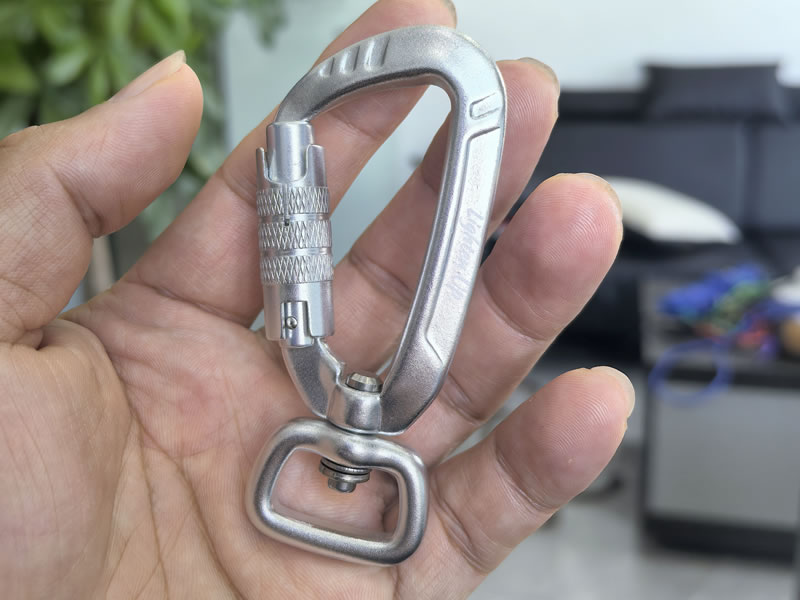
Why Use a Carabiner on a Dog Leash?
The primary advantages are security and versatility:
- Superior Security: Standard leash snaps can accidentally open if bumped against a surface or by a dog's body. A locking carabiner provides a fail-safe mechanism, ensuring the connection between the leash and your belt, bag, or anchor point remains intact.
- Hands-Free Functionality: The most popular use. By clipping the leash to a belt loop, a dedicated dog-walking belt, or a backpack's hip strap, you free up your hands for other tasks while maintaining control, especially useful for hiking, running, or managing multiple dogs.
- Versatile Attachment Points: A carabiner allows you to easily and securely attach the leash to a wider variety of objects: a park bench, a tree, a stake in the ground, or a certified tie-out cable, creating a temporary anchor point.
- Durability: Quality climbing-grade carabiners are built to withstand far greater force and environmental wear than typical pet hardware, offering long-term reliability.
Choosing the Right Carabiner for Dog Use
Not all carabiners are suitable. Key features to prioritize include:
- Locking Mechanism is Non-Negotiable: You must use a locking carabiner. A non-locking (spring-gate) model can be accidentally opened by the dog brushing against an object or by leverage.Screw-Gate: Reliable and common. Ensure you fully screw it closed.Auto-Locking/Twist-Lock: Even better, as they lock automatically and require a deliberate action to open, preventing user error.
- Size and Weight: A medium-sized carabiner (internal gate opening of ~20-25mm) is ideal. It should be large enough to easily clip onto belts and straps but not excessively bulky. Lightweight aluminum is perfect.
- Shape:D-Shape or Oval: Best for general use. They provide a secure connection without sharp edges.Avoid Wire Gates for Primary Clip: While lightweight, the thin wire can be potentially uncomfortable if pressed against you and may be more susceptible to dirt and sand in the mechanism.
- Material and Finish: Aluminum is strong and light. A smooth, anodized finish resists corrosion from rain, saliva, and dirt, and is easier to clean.
- Safety & Comfort: Choose a model with rounded edges and a smooth profile. Avoid any with sharp angles or protruding parts that could injure you or your dog.
Practical Applications and Setups
- The Hands-Free System: Attach a locking carabiner to the handle end of your leash. This can then be clipped to:A dog walking belt (highly recommended for medium/large dogs).Your regular belt or a sturdy belt loop.The hip strap or a load-lifter loop on a backpack.Important: This setup is for control, not tethering. Never leave a dog unattended while tethered to you.
- Creating a Secure Anchor: Use the carabiner to attach the dog's leash to a certified ground stake, a fixed object like a heavy post, or a proper tie-out cable. This provides a more secure temporary restraint than clipping a snap hook directly.
- Leash Extension or Connection: A carabiner can be used to connect two leashes for extra length in open areas or to create a dual-dog walking setup from a single central point with caution and appropriate hardware.
Critical Safety Warnings and Best Practices
- NEVER Replace the Dog's Collar/Harness Clip: The carabiner should be used on the human end of the leash or as an intermediate connector, not to directly clip the leash to the dog's collar or harness. The leash's original clip is designed for that direct attachment and quick release in emergencies.
- Inspect Regularly: Check the carabiner for grit in the mechanism, wear on the gate, or any cracks. Rinse it if exposed to saltwater or dirt.
- Understand the Limit: While strong, the carabiner is only one part of the system. The leash's fabric or stitching, your belt, and the dog's collar are all potential failure points under extreme force.
- Dog-Proof the Lock: Some clever dogs can learn to manipulate a screw-gate by rubbing it against surfaces. An auto-locking gate mitigates this risk.
Recommended Product Types
Look for these specific styles from reputable outdoor brands:
- Basic Locking D: The Black Diamond RockLock or Petzl Sm'D are robust, simple choices.
- Compact Auto-Locker: The Petzl Connect Adjust or similar lightweight auto-locking carabiners are excellent for their ease of use and security.
- Specialist Pet Brands: Some companies like Ruffwear or Kong now incorporate or sell certified locking carabiners specifically designed for pet use, often with dog-friendly features.
In conclusion, a locking carabiner is a small investment that brings a significant upgrade to dog walking, blending the reliability of climbing hardware with everyday canine care. By choosing a secure, appropriately sized locking model and using it correctly as part of a hands-free or anchoring system, you gain greater control, freedom, and peace of mind on every walk, hike, or adventure with your four-legged friend.




