




Carabiner Gate Stuck, How to Fix: A Safety-First Troubleshooting Guide
A stuck carabiner gate is a serious concern. It’s not just an inconvenience; it’s a failure of a primary safety mechanism. Attempting to "fix" it improperly can lead to catastrophic gear failure. This guide provides a systematic, safety-first approach to diagnosing and potentially resolving a stuck gate, with a clear emphasis on when the only correct solution is retirement.
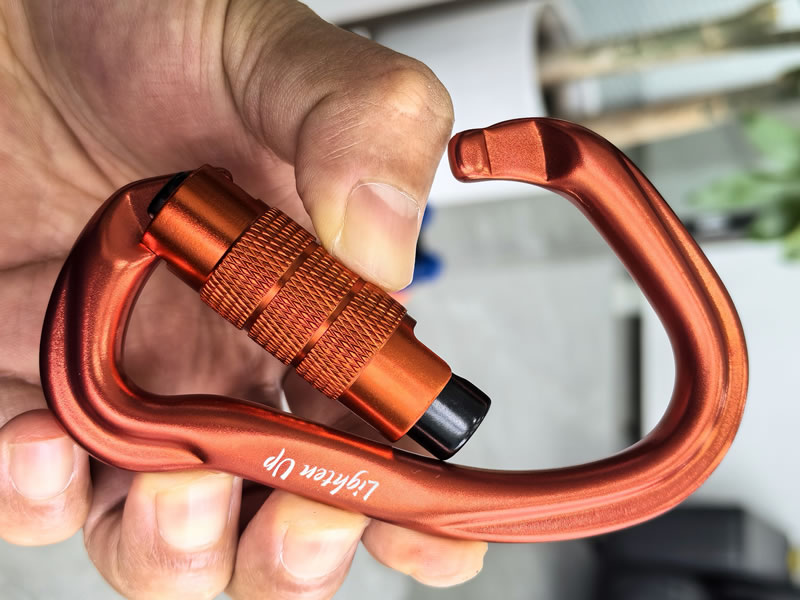
The Golden Rule: Safety Before Salvage
Before any action, internalize this principle: A carabiner used for climbing, fall protection, or any life-support application must function perfectly. If you cannot restore flawless, smooth operation, the carabiner must be permanently retired. Never compromise on this.
Step 1: Diagnosis – Understanding the "Why"
First, try to identify the cause without forcing the gate. Forcing it can turn a fixable issue into permanent damage.
- Contamination (Most Common): Dirt, sand, chalk, or salt crystals have jammed the pivot mechanism. The gate may feel gritty or partially movable.
- Corrosion: Exposure to saltwater or chemicals has caused aluminum oxide (white powder) or galvanic corrosion, "welding" the gate to the body.
- Physical Damage (Often Unfixable):Bent Gate: The gate was impacted and is now deformed, binding against the nose or carabiner body.Damaged Pivot Pin/Rivets: The pin holding the gate is bent or mushroomed from impact.
- Ice (In Cold Conditions): Moisture inside the mechanism has frozen solid.
- Thread Cross-Threading (Screw-Gates Only): The locking sleeve has been forced, misaligning and jamming the threads.
Step 2: The Safe Fix Protocol
Only proceed if the carabiner shows no signs of bending, cracking, or major corrosion.
Protocol A: For Contamination (Dirt, Sand, Salt)
- Soak: Submerge the carabiner in a container of warm water and mild dish soap for 15-30 minutes.
- Agitate: While submerged, gently try to work the gate back and forth. Do not apply excessive force. The goal is to let the solution penetrate and loosen the debris.
- Flush: Under a steady stream of warm water, continue to manipulate the gate. Use a soft-bristled toothbrush to gently scrub the pivot area.
- Dry Thoroughly: Pat dry with a towel. Then, use compressed air (like a can for electronics) to blast moisture from the pivot. Let it air-dry completely in a warm place, gate locked open.
- Test: After drying, the gate action should be smooth and snappy. If grittiness remains, repeat the process. If it’s smooth, the fix was successful.
Protocol B: For Suspected Corrosion
Follow the cleaning steps above. For mild aluminum oxide, the soft brush may scrub it away. If corrosion is severe or the gate remains seized after cleaning, the carabiner is finished. Corrosion eats away at the material, irreparably weakening it.
Protocol C: For Ice
Simply warm the carabiner in your hands or a room-temperature environment. Do not use open flame or excessive heat, as this can alter the metal's temper. Once thawed, dry it meticulously to prevent rust on the internal spring.
Protocol D: For a Cross-Threaded Screw-Gate
- Try to gently unscrew in the correct alignment. Sometimes slight back-and-forth wiggling while applying light unscrewing pressure can free it.
- If it moves, clean the threads meticulously with a toothbrush and water.
- If it does not move with gentle pressure, the threads are likely damaged. Retire the carabiner.
Step 3: The "Do Not Attempt" List – What Never to Do
These actions will compromise structural integrity and are extremely dangerous:
- Do NOT use lubricating oil or WD-40. It attracts more dirt and can degrade nylon ropes and slings.
- Do NOT use pliers, hammers, or vise grips to force the gate. You will bend or crack it.
- Do NOT apply heat from a torch or lighter. This can ruin the heat treatment of the aluminum (making it brittle) and melt any plastic components.
- Do NOT drill, file, or sand the pivot to make it fit. This destroys the manufacturer's engineering tolerances and safety certifications.
Step 4: The Final Inspection & Decision Point
After any attempt at cleaning, conduct a final, rigorous inspection:
- Visual: Look for cracks, bends, deep grooves, or wear at the pivot.
- Tactile: The gate must open and close with smooth, consistent resistance and snap shut positively. There should be no grinding, catching, or hesitation.
- Functional: For locking carabiners, the mechanism must work perfectly.
The Decision Flowchart:
- Is the gate bent or the body cracked? → RETIRE.
- Is there severe corrosion or pitting? → RETIRE.
- Does the gate feel gritty, sticky, or notchy after thorough cleaning? → RETIRE.
- Does the spring fail to return the gate closed? → RETIRE.
- Is the action perfectly smooth and reliable? → It may be safe for non-life-support use only (e.g., gear organization). For climbing, consider it compromised unless you are 100% certain the cause was simple, removable dirt.
Conclusion: When "Fix" Means "Replace"
In the vast majority of cases involving a truly stuck gate—especially from impact or corrosion—the only safe "fix" is proper disposal. Carabiners are consumable safety items, not heirlooms. The cost of a new carabiner is insignificant compared to the consequence of relying on a faulty one.
Your diligence in inspecting, maintaining, and knowing when to retire gear is the most important safety system of all. When in doubt, throw it out.




