




Can Carabiners Rust? A Guide to Materials and Corrosion
The straightforward answer is: it depends entirely on the carabiner's material. Understanding the difference between rust and other forms of corrosion is key to maintaining your gear's safety and longevity. For climbers, hikers, and professionals, knowing what to look for can prevent dangerous equipment failure.
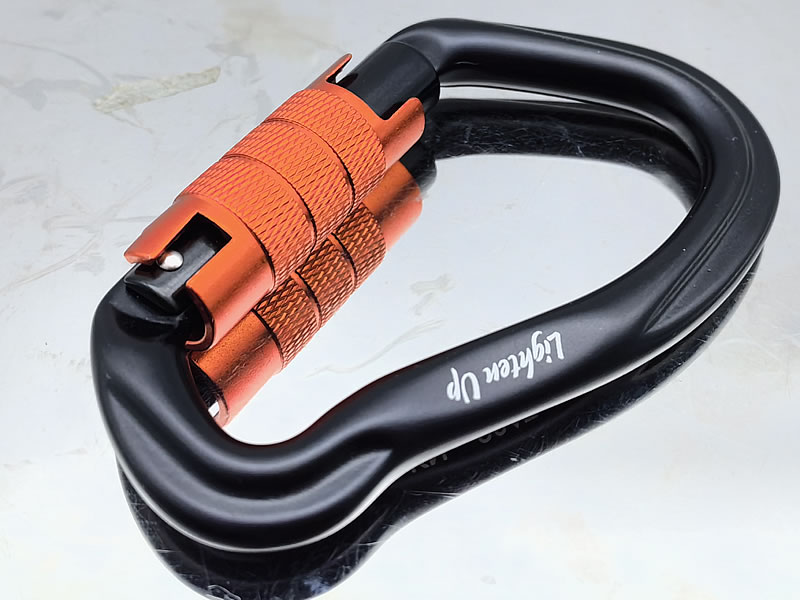
The Science of Decay: Rust vs. Corrosion
First, a crucial distinction:
- Rust specifically refers to the reddish-brown iron oxide that forms on iron and steel when exposed to oxygen and moisture.
- Corrosion is a broader term for the natural deterioration of any metal.
Material Breakdown: From Climbing Gyms to Marine Environments
1. Aluminum Carabiners (The Climbing Standard)
- Do they rust? No. Aluminum contains no iron, so it cannot form rust.
- Corrosion Risk: Yes, but different. Aluminum reacts with oxygen to form a thin, protective layer of aluminum oxide. This actually shields the metal underneath. However, in harsh environments (saltwater, acidic pollutants, or frequent contact with sweat), this layer can break down into a white, powdery substance. This pitting corrosion weakens the metal structurally.
- The Hidden Risk: The internal spring is almost always made of stainless steel. This spring, trapped in a moist, aluminum body, can rust if exposed to salts or acids, leading to a sticky or failed gate.
2. Stainless Steel Carabiners (Marine & Industrial Use)
- Do they rust? Highly resistant, but not immune. True stainless steel contains chromium, which forms a passive protective layer. High-quality grades (like 316) are very resistant to rust, especially in marine environments. However, prolonged exposure to saltwater, chlorides, or damage to the surface can lead to localized pitting or rust stains.
3. Carbon Steel / Plated Steel Carabiners (Cheap Hardware & Heavy-Duty)
- Do they rust? Yes, absolutely. These are common in inexpensive hardware store clips or some ultra-high-strength industrial rigging gear. Without a protective coating or plating, they will rust quickly when wet. A galvanized or coated finish provides protection, but scratches expose the raw steel to rust.
Primary Causes and Accelerants of Corrosion
- Saltwater: The number one enemy. It accelerates both aluminum corrosion and rust on steel components.
- Acidic Environments: Industrial pollution, battery acids, or even frequent contact with sweat (which is slightly acidic and salty) can promote decay.
- Galvanic Corrosion: Occurs when two dissimilar metals (e.g., an aluminum carabiner and a steel shackle) are in electrical contact in a moist environment. One metal corrodes faster than it would alone.
- Improper Storage: Damp, confined spaces (like a wet gym bag) trap moisture against the metal.
Prevention and Maintenance: Your First Line of Defense
Proactive care is simple and effective:
- Rinse After Exposure: After contact with saltwater, sweat, or dirt, rinse your carabiners thoroughly in fresh, clean water.
- Dry Completely: Pat dry with a towel and allow to air-dry fully, especially with the gate locked open to ventilate the pivot.
- Store Properly: Keep gear in a cool, dry, and well-ventilated place. Avoid damp basements or hot, humid garages.
- Inspect Religiously: Make cleaning and inspection a routine. Look for:On Aluminum: White, chalky powder or rough, pitted spots.On Steel: Any reddish-brown discoloration or pitting.On All: Check gate action. A gritty or slow spring often indicates internal corrosion.
The Safety Imperative: When to Retire a Carabiner
Corrosion is a material disease. It significantly weakens the metal, often in ways that are not visible on the surface (like subsurface pitting).
You must immediately and permanently retire a carabiner if you observe:
- Any visible rust on critical load-bearing components.
- Significant pitting corrosion, especially in high-stress areas (gate nose, spine, pivot).
- A gate that sticks or feels gritty due to spring corrosion, even after cleaning.
- Any doubt whatsoever about its integrity.
Conclusion: While your standard aluminum climbing carabiner won't "rust" in the traditional sense, it and all its variants are vulnerable to corrosion. The question isn't just academic—it's fundamental to safety. By understanding your gear's material, recognizing the signs of decay, and committing to simple preventative care, you ensure that the metal loop you trust with your safety remains as strong as the day you bought it. In the end, the most critical component of any gear system is an informed and vigilant user.




