




Carabiner Materials: Aluminum vs Steel – Choosing the Right Metal for the Task
The choice between aluminum and steel for a carabiner is one of the most fundamental decisions in gear selection, defining its weight, strength, durability, and primary field of use. This isn't a matter of one material being universally "better" than the other; rather, each is engineered to excel in specific, often mutually exclusive, applications. Understanding their core properties is key to selecting the right tool and using it safely.
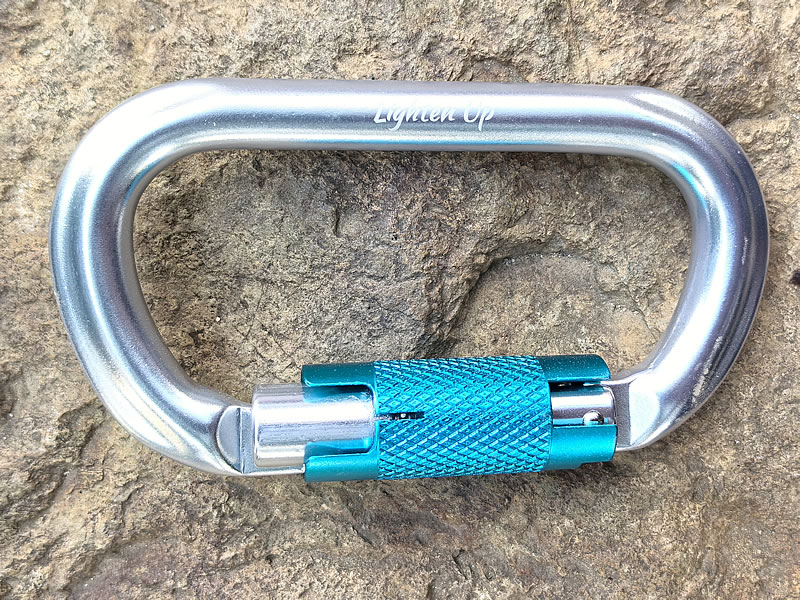
Aluminum: The King of Climbing and Lightweight Performance
Composition & Properties:
Modern climbing carabiners are primarily made from 7075-T6 or similar aluminum alloys. This material is valued for its exceptional strength-to-weight ratio. It undergoes a process of forging, machining, and heat treatment to achieve its final hardness and strength.
Key Advantages:
- Light Weight: This is the paramount advantage. An aluminum carabiner typically weighs 40-60 grams, allowing climbers to carry dozens without excessive burden. This is critical for sport, trad, and alpine climbing.
- High Strength for its Weight: Through precise engineering, aluminum carabiners meet rigorous UIAA/CE certifications with major axis strengths of 22 kN to 28 kN (approx. 5,000 - 6,300 lbs of force), which is more than sufficient to withstand dynamic climbing falls.
- Corrosion Resistance: Aluminum naturally forms a hard, protective layer of aluminum oxide when exposed to air. While it can develop a white, powdery surface corrosion in harsh environments, it does not rust like steel.
Primary Applications:
- Recreational rock climbing and mountaineering (all disciplines)
- Via ferrata kits
- Lightweight backpacking and gear organization
- Everyday Carry (EDC) accessories
Steel: The Industrial Powerhouse
Composition & Properties:
Steel carabiners are typically made from carbon steel or stainless steel. They are characterized by their high density and tensile strength, often achieved through hot-forging.
Key Advantages:
- Ultimate Strength & Durability: Steel carabiners boast vastly higher strength ratings, commonly ranging from 30 kN to over 50 kN (6,700 - 11,200+ lbs). They are incredibly resistant to abrasion from ropes, cables, and rough surfaces.
- Abrasion Resistance: Steel's surface hardness far exceeds that of aluminum. It will not develop the deep grooves ("rope burns") as quickly when subjected to repeated friction, making it ideal for permanent anchors, rigging, and rescue systems.
- Temperature Resistance: Steel maintains its strength better at very high temperatures than aluminum.
Primary Applications:
- Industrial rope access and fall protection
- Rigging, lifting, and towing
- Arborist and tree work
- Permanent anchor systems (e.g., via ferrata cables, fixed anchors)
- Tactical and heavy-duty military use
Critical Comparison: A Side-by-Side Analysis
| Feature | Aluminum Carabiner | Steel Carabiner |
|---|---|---|
| Weight | Very Light (40-60g) | Very Heavy (100-250g+) |
| Typical Strength | High (22-28 kN) | Very High (30-50+ kN) |
| Key Metric | Strength-to-Weight Ratio | Absolute Strength & Abrasion Resistance |
| Corrosion | Forms oxide layer (white powder). | Carbon steel rusts; Stainless is resistant. |
| Primary Use | Recreational Climbing (dynamic loads, carried in quantity) | Industrial/Rigging (static loads, high abrasion, permanent install) |
| Cost | Generally moderate | Often higher, especially for stainless |
Safety Imperatives and Common Misconceptions
1. "Stronger is Always Safer" – A Dangerous Myth.
Using a heavy steel carabiner for rock climbing is not safer and is actively detrimental. The extreme weight forces climbers to carry fewer pieces, increasing risk. The material is also overkill for dynamic rope systems.
2. Certification is Material-Agnostic.
Safety is defined by certification for the intended use, not the material itself. A climbing-rated aluminum carabiner (UIAA/CE) is safe for climbing. An uncertified steel hardware-store clip is not safe for climbing or life support, regardless of its apparent heft.
3. The Lubrication Difference.
Steel carabiners in industrial settings often require periodic lubrication for their screw-gates. Most aluminum climbing carabiners are designed to run dry, as lubricants attract grit that creates an abrasive paste.
Conclusion: Matching the Metal to the Mission
Your choice is clear-cut:
- Choose Aluminum if your priorities are minimizing weight and managing dynamic loads while maintaining certified safety. This is the undisputed material for all forms of personal climbing, mountaineering, and adventure sports.
- Choose Steel when your tasks demand maximum abrasion resistance, extreme tensile strength, and durability in often static systems, and where weight is a secondary concern. This is the domain of professionals in construction, rescue, rigging, and arboriculture.
The critical error is conflating these two worlds. The steel of a construction site is not a substitute for the engineered aluminum of the crag. By selecting the material engineered for your specific application, you ensure optimal performance, safety, and longevity for your gear.




