




How to Attach a Carabiner to a Belt Loop Securely: A Complete Safety & EDC Guide
Attaching a carabiner to a belt loop is a ubiquitous practice for conveniently carrying keys, tools, or a small pouch. However, doing it "securely" has two distinct meanings: preventing accidental loss of your items, and ensuring your personal safety by understanding the severe limitations of this setup. This guide provides a comprehensive look at the proper techniques, gear choices, and critical safety warnings.
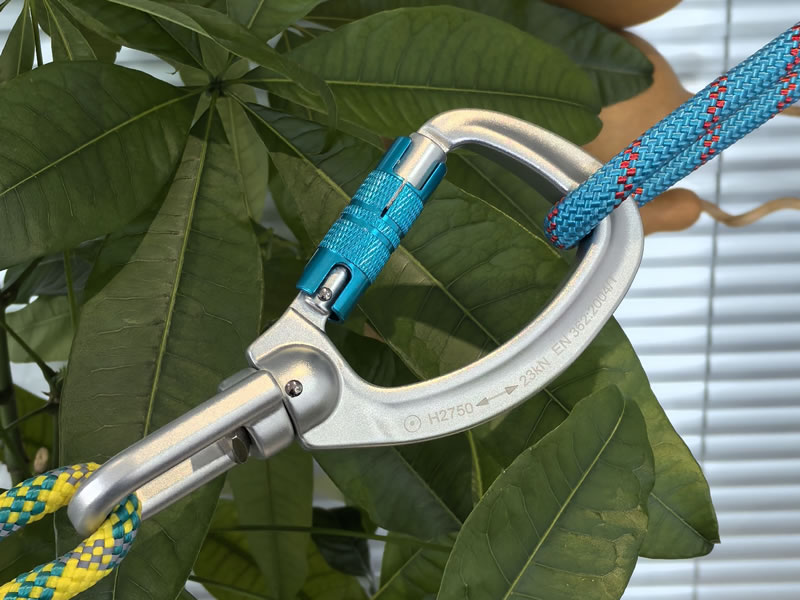
Part 1: The Correct Method for Everyday Carry (EDC)
For carrying light, non-critical items like keys, a multi-tool, or a dog poop bag dispenser, follow these steps for optimal security and minimal wear.
- Choose the Right Carabiner:Size & Shape: A small or medium-sized carabiner is ideal. It should be large enough to thread your belt loop onto easily but not so large as to be cumbersome. A D-shape or oval offers a good balance.Gate Type: A non-locking wire-gate or snap-gate carabiner is typically sufficient. It allows for easy one-handed operation. If you carry a slightly heavier item or are more active, a small screw-gate locker provides added mental security against the gate being bumped open.
- The Proper Attachment Technique:Thread, Don't Clip: This is the golden rule. Open the gate and fully thread your belt loop onto the carabiner's SPINE (the solid, curved back). Close the gate. The belt loop should now be captive on the spine.Why This Matters: This places any weight directly on the strongest part of the carabiner. It also keeps the gate and its moving parts away from the fabric, preventing the gate from being accidentally levered open by the belt loop itself.
- Load Your Items Correctly:Once the carabiner is secured to your belt loop, clip your items (keys, etc.) to the gate end as normal. The belt loop bears the load via the spine; the gate simply secures your items.
Part 2: Common Mistakes and Their Consequences
- Mistake 1: Clipping the Gate to the Belt Loop. Never simply clip the carabiner's gate onto the belt loop. This places all stress on the gate mechanism, which is the weakest part. A sharp tug or snag can bend the gate or force it open, leading to instant loss of everything attached.
- Mistake 2: Using an Oversized Carabiner. A large, bulky carabiner is more likely to catch on door handles, chairs, or seatbelts, creating both an annoyance and a potential point of failure.
- Mistake 3: Ignoring Wear and Tear. Repeated motion will fray and weaken your belt loop over time. A worn-out loop will fail long before a quality carabiner does. Inspect your belt loops regularly and consider reinforcing them with a small stitch if needed.
Part 3: The Critical Safety Warning – What "Secure" Does NOT Mean
This is the most important section of this guide. Attaching a carabiner to a belt loop is NOT a secure, load-bearing, or life-safety connection.
- Belt Loops Are Not Load-Rated: Belt loops are thin, decorative pieces of fabric sewn onto pants for style, not strength. Their stitching can typically handle only a few pounds of force before tearing.
- Clothing is Not Safety Gear: Your pants, belt, and their loops are never substitutes for climbing harnesses, gear slings, or proper load-bearing rigging. The entire assembly is only as strong as its weakest point—the thread in your pants.
- The "Dangle" Hazard: A carabiner loaded with items dangling from your hip can easily snag on moving vehicle parts, machinery, or brush during outdoor activities, creating a serious entanglement and dragging hazard.
NEVER use a belt-loop-carabiner setup for:
- Climbing, rappelling, or any form of fall protection.
- Securing a dog leash (a startled dog can easily rip the loop).
- Holding heavy tools (pliers, large flashlights, cameras).
- Tethering yourself to anything for safety.
Part 4: Superior Alternatives for Heavy-Duty or Secure Carry
If you need to carry more weight or ensure absolute security, move beyond the belt loop:
- Belt-Clip Sheaths: Many tools come with or can be fitted with a hard plastic or Kydex sheath that clips directly onto your belt, distributing weight across a much broader, stronger surface.
- EDC Tethers & Wrist Coils: For high-value items like keys, use a short tether that connects your item to a belt or a dedicated bag strap, often incorporating a weak point designed to break before your belt loop does.
- Climbing Gear Loops: If you genuinely need to carry climbing gear on your person, use the dedicated, reinforced gear loops on a climbing harness.
Final Conclusion
To attach a carabiner to a belt loop securely for everyday convenience: choose a modest-sized carabiner, always thread the belt loop onto its spine, and be mindful of wear. Understand that this method is fundamentally for light-duty organization and quick access—not for security under load. Respecting the severe mechanical limits of your clothing is the most crucial step in ensuring that this popular hack remains a convenience and never becomes a cause of loss or injury. Your safety always depends on using the right tool for the job, and a belt loop is a tool for holding up pants, not for holding gear.




