




Carabiner for a Photographer’s Gear
For the modern photographer, whether a trekking landscape shooter, a bustling event documentarian, or a meticulous studio artist, gear organization is a silent but critical component of the creative process. Amidst a sea of expensive cameras, lenses, and accessories, the humble carabiner emerges as an unexpectedly vital tool. However, not any carabiner will do. The ideal choice for a photographer must prioritize secure yet gentle attachment, rapid access, and multifunctional utility, all while protecting thousands of dollars worth of sensitive equipment.
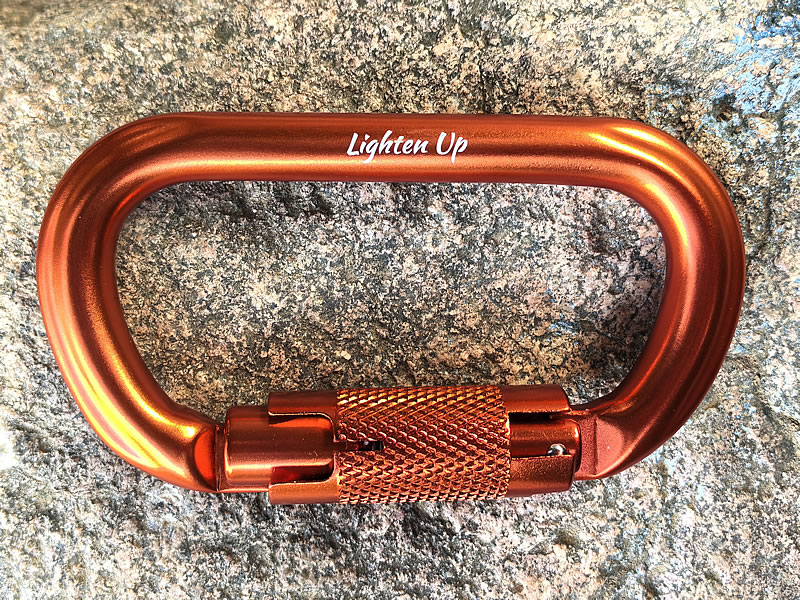
The Core Philosophy: Accessibility Without Compromise
A photographer's carabiner is not for load-bearing like climbing; its core function is organization and secure tethering. The goal is to keep small, essential items immediately accessible and prevent their catastrophic loss (e.g., a lens cap rolling off a cliff), without adding bulk or risk of damage to the primary gear.
Key Selection Criteria for Photographic Use
- Material & Finish: Anodized aluminum or stainless steel with a smooth, snag-free finish is mandatory. Any rough edges, sharp burrs, or abrasive coatings will scratch camera bodies, lens barrels, or filters.
- Security Mechanism: A positive locking gate (screwgate, auto-lock, or sliding lock) is non-negotiable. The consequence of a failed spring gate is a lost lens cap, filter, or memory card case.
- Size & Weight: Should be small to medium—large enough to handle easily, but not so bulky it gets caught on straps or bangs against the camera. Lightweight is a virtue.
- Versatility: The best options often serve multiple roles beyond just clipping.
Top Recommendations & Their Specific Use Cases
1. The Organizational Master: Locking S-Biner
- Model Example: Nite Ize S-biner Microlock (Size #3 or #4).
- Why it's Perfect: The dual-gate design is revolutionary for photographers. One locked gate can be permanently secured to a camera bag's D-ring or a harness strap. The other (spring-loaded or also locking) gate is for cycling gear on and off. This creates a secure, centralized hub.
- Photographer's Toolkit: Attach lens caps (use a short leash), a rocket blower, spare batteries, SD card cases, or a compact flashlight. The locking function ensures nothing shakes loose during a hike or scramble.
2. The Game-Changing Innovator: Heroclip
- Model Example: Heroclip Small or Medium.
- Why it's a Game-Changer: This solves the photographer's universal problem: where to put the bag? Its fold-out hook allows you to hang your camera backpack securely on unstable surfaces—a trail sign, a slender tree branch, a picnic table, or a restroom stall door—keeping it clean and accessible.
- Beyond the Bag: Can also be used to hang a jacket, a water bottle, or even to create an elevated point for a makeshift rain tarp over your gear in a sudden shower.
3. The Premium & Minimalist: Titanium Carabiner
- Model Example: A sleek, bead-blasted titanium carabiner from brands like Groove Life or Machine Era.
- Why it Shines: For the photographer who values minimalist aesthetics and corrosion resistance. It’s incredibly strong, lightweight, and will not rust in humid or coastal environments. Its smooth, often rounded profile is exceptionally gentle on gear.
- Ideal For: The photographer who uses a peak design clip system; a small titanium carabiner is perfect for attaching additional pouches or secondary items to the strap with a premium feel.
4. The Heavy-Duty Connector: Stainless Steel Screwgate
- Model Example: Small/medium stainless screwgate from a hardware brand.
- Why it's Reliable: For tethered shooting in high-risk environments (e.g., on a boat, near water, on a cliff edge), a stainless steel screwgate provides the most secure, corrosion-proof connection to anchor a camera strap to a harness or safety line. It's for ultimate peace of mind.
Safety and Practical Application Warnings
- NEVER for Direct Camera Support: A carabiner should never be used as the primary point from which to hang a heavy camera body or lens. Its purpose is for tethers, leashes, and organizing accessories. The load-bearing connection should always be a proper camera strap attached to the manufacturer's anchor points.
- Beware of Abrasion: Always ensure the carabiner is positioned so it cannot swing freely and rub against glass (lens elements or filters). Use protective sleeves on the carabiner if needed.
- Mind the Noise: In quiet environments (e.g., a wedding ceremony, wildlife blind), a metal carabiner clinking against another can be disruptive. Some photographers wrap them in a bit of gaffer tape.
Building a Photographer's Carabiner Kit
A well-prepared photographer might carry two:
- A Heroclip attached to their bag's main handle for hanging versatility.
- A locking S-biner on a shoulder strap or belt, serving as a mobile organizational hub for small items.
Conclusion: An Unsung Hero of the Kit
In the meticulous world of photography, the right carabiner acts as a force multiplier for efficiency and security. By moving beyond a generic hardware store clip and selecting a tool designed for secure, gentle, and intelligent organization, photographers can streamline their workflow, protect their investments, and adapt to dynamic shooting environments. Whether it’s the ingenious Heroclip saving a backpack from mud or a locking S-biner safeguarding a critical lens cap, this small piece of gear proves that the most powerful tools are often those that solve the simplest problems with elegant reliability. For the photographer looking to lighten their mental load and focus on the shot, the right carabiner is a frame-worthy investment.




