




Professional Arborist Carabiner Recommendations
For the professional arborist, a carabiner is far more than a clip—it is a critical, life-support component within a complex system of climbing, positioning, and rigging. The demands of tree work—abrasive bark, dynamic loads, sawdust, and exposure to the elements—require carabiners that exceed even the stringent standards of recreational climbing. Selecting the right tool is a matter of safety, efficiency, and professional compliance.
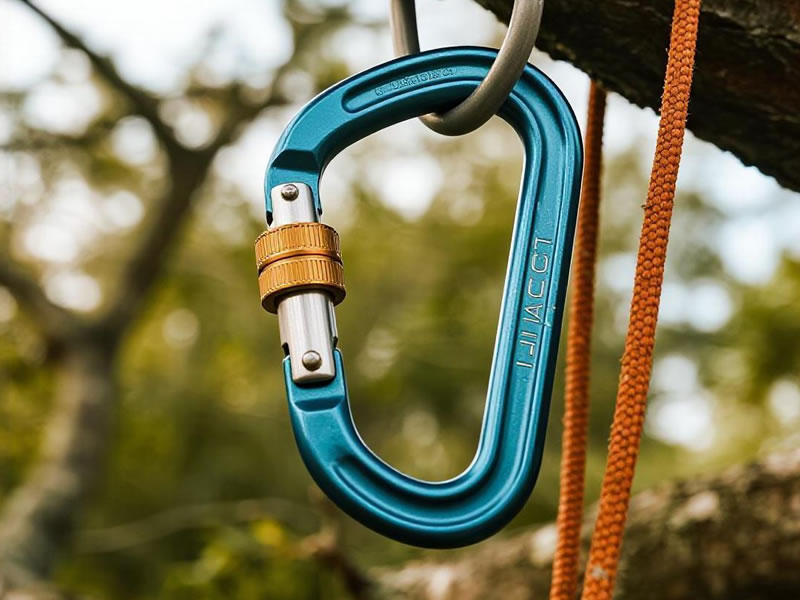
The Non-Negotiable Standards: Certification First
Arborist carabiners must be certified for life support. Look for:
- CE Marking under EN 12275: The European standard for climbing equipment.
- ANSI Z133.1 Compliance: The American National Standard for Arboricultural Operations. This often references CE or other recognized testing.
- Explicit "T" Rating: Some carabiners (like the DMM PerfectO) are specifically tested and rated for arboriculture ("T" for Tree).
- Key Prohibition: Never use non-locking carabiners or hardware-store clips for life-support applications.
Carabiner Types by Arborist Application
1. Climbing & Personal Positioning (Life-Support Primary)
These connect your harness to your climbing line via a climbing system (e.g., a rope wrench, a pulley saver, or a direct tie-in).
- Key Features: Secure locking mechanism, high strength (22+ kN), good ergonomics for one-handed operation with gloves.
- Top Recommendations:Petzl Williams or Attache (Screwgate): The industry-standard HMS (pear-shaped) screwgate. Large, easy to manipulate with gloves, and massively strong. The Williams is slightly more refined.Petzl Am'D Ball Lock: An excellent auto-locking alternative. The ball-lock mechanism is intuitive, secure, and easy to operate with one hand, providing excellent security against accidental opening from brush or rope contact.DMM Sentinel / Shadow Lock: Offers superb craftsmanship and smooth action. A reliable and durable choice.
2. Rigging & Lowering (High-Strength, Abrasion-Resistant)
These are used in pulley systems, for attaching lowering ropes to blocks, or connecting rigging slings. They see high, often shock-loaded forces and extreme abrasion against bark and wood.
- Key Features: Extreme strength (often 30+ kN), steel construction preferred for abrasion resistance, large size to accommodate multiple ropes or slings.
- Top Recommendations:DMM PerfectO Steel Screwlock: Arguably the gold standard for arborist rigging. Its round shape is ideal for multi-directional loading, and the steel construction withstands abrasion that would quickly destroy an aluminum carabiner.Rock Exotica RockO or Omni-Block Screw-Lock: Built by a brand dedicated to professional rigging. These are incredibly robust, heat-treated steel lockers designed for the most demanding applications.Large, Steel HMS Carabiners: Such as a steel Petzl William, for setting up friction devices like a port-a-wrap or as a central rigging point.
Critical Selection Criteria for Arborists
- Locking Mechanism: Triple-action auto-lockers (e.g., Petzl Triact) offer the highest security for climbing, as they require three distinct motions to open. Screwgates are trusted and simple but must be consciously checked. Simple auto-lockers (twist-lock) are a minimum but can be more prone to snagging open.
- Material:Aluminum: Lightweight and strong for climbing and positioning. Avoid letting it come into direct, abrasive contact with rigging points.Steel: Essential for rigging. It is heavier but vastly more resistant to the wear caused by ropes under tension moving across bark and wood.
- Size & Shape: Large, pear-shaped (HMS) carabiners are versatile for accommodating knots and devices. Round carabiners (like the PerfectO) are optimal for rigging as they allow loads to center naturally.
The Arborist's "Never" List
- Never use a carabiner not rated for life support.
- Never use an aluminum carabiner for a primary, high-friction rigging point. The bark will act like sandpaper.
- Never mix climbing and rigging carabiners. Dedicate specific carabiners to specific roles and color-code them if possible (e.g., blue for climbing, silver steel for rigging).
- Never modify, drill, or grind a carabiner.
- Never ignore wear. Arborist gear requires even more frequent inspection than recreational climbing gear due to the harsh environment.
Maintenance and Inspection
- Clean Regularly: Rinse off sap, mud, and sawdust with water. A stiff brush can help.
- Lubricate Sparingly: Use a dry lubricant (like PETZL Clic-Ball Lube) on the gate hinge and locking mechanism, avoiding grease that attracts grit.
- Inspect Before Every Use: Look for:Abrasive Grooving: Especially on the spine and gate. Deep grooves are a sign of retirement.Gate Function: The gate should open smoothly and snap closed positively. Check auto-lockers for full engagement.Corrosion: Any sign of pitting or rust, especially on steel gear, warrants professional assessment or retirement.
Final System Recommendations
- For the Climbing Arborist's Personal Kit: Carry at least two primary life-support lockers. A Petzl Am'D Ball Lock for your main climbing system and a Petzl Williams Screwgate as a secondary/personal anchor carabiner is a powerful, secure combination.
- For the Rigging Kit: A DMM PerfectO Steel and a large steel HMS screwgate (like a steel William) will handle the vast majority of rigging scenarios safely and durably.
In conclusion, the professional arborist's carabiner is defined by its certified strength, appropriate material for the task, and flawless locking security. By investing in purpose-built tools from premier brands like Petzl, DMM, and Rock Exotica, and adhering to a strict regimen of inspection and dedicated use, you ensure that this fundamental link in your system provides the absolute reliability upon which your safety and professionalism depend. Your gear is a reflection of your standards—choose and maintain it accordingly.




