




Most Corrosion-Resistant Carabiner for Saltwater Use
When selecting a carabiner for saltwater environments—be it for sailing, kayaking, coastal rescue, or marine rigging—standard hardware will fail catastrophically and quickly. Saltwater accelerates electrochemical corrosion through its conductive chloride ions, attacking metals with relentless efficiency. The quest for the most corrosion-resistant carabiner is therefore a materials science challenge, demanding alloys specifically engineered to resist this assault.
Why Standard Carabiners Fail in Saltwater
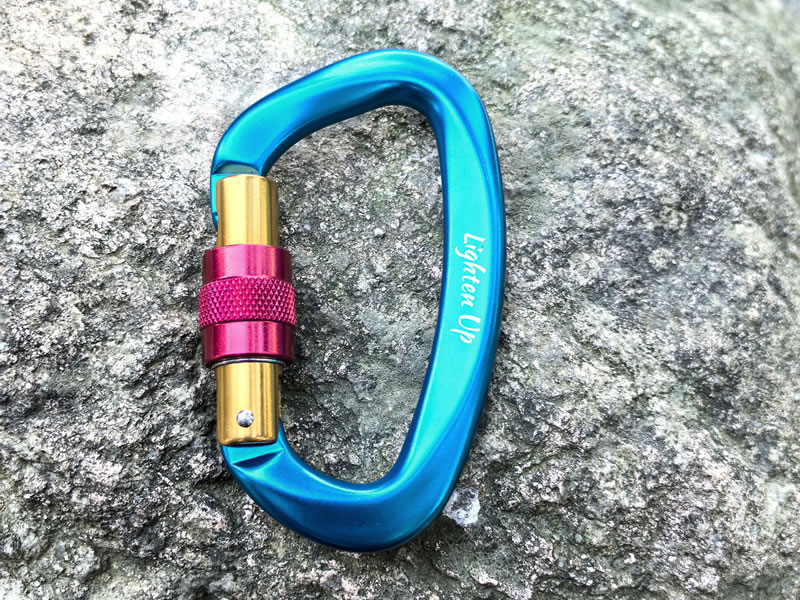
- Aluminum (Even Anodized): While anodizing provides a protective oxide layer, any scratch, chip, or wear point exposes the raw aluminum beneath. Saltwater will initiate pitting corrosion, creating deep, weakening holes in the metal. The carabiner may look intact but can be critically compromised from within.
- Coated or Plated Steel (Zinc, Black Oxide): These coatings are sacrificial and wear off quickly with abrasion. Once the underlying carbon steel is exposed, rapid rust ("red rust") forms, eating away at the structural integrity.
- Non-Marine Stainless Steels (e.g., 400 series): These lack sufficient alloying elements to maintain a passive protective layer in chloride-rich environments and can still rust.
The Champion Material: 316 Marine-Grade Stainless Steel
For the ultimate in corrosion resistance, 316 stainless steel (often labeled 316L or A4) is the industry benchmark.
- Why it Wins: Its alloy includes molybdenum (2-3%), which dramatically increases resistance to pitting and crevice corrosion in chloride environments. It forms a stable, self-repairing passive layer that prevents oxidation.
- Trade-off: It is significantly heavier than aluminum and often more expensive.
- Top Recommendations:Kong Stainless Steel Carabiners: The Italian manufacturer Kong is renowned for its marine-grade hardware. Their screw-lock and auto-lock carabiners in 316 steel are a top choice for sailors and professionals.Petzl Professional Stainless Steel Models: Petzl offers versions of classic carabiners like the Attache and Am'D in stainless steel, providing trusted designs in a corrosion-proof format.Rock Exotica Stainless Steel Carabiners: Built for high-load rigging and rescue, their stainless steel models are exceptionally robust and corrosion-resistant.
The Premium Alternative: Titanium (Grade 5, 6AL-4V)
- Why it's Excellent: Titanium is inherently immune to saltwater corrosion. It does not rust or pit, making it ideal for permanent immersion. It also offers a superior strength-to-weight ratio compared to steel.
- Trade-offs: It is extremely expensive, harder to machine, and can suffer from galvanic corrosion if in constant electrical contact with dissimilar metals in an electrolyte (like saltwater). It is also more prone to galling (friction welding) in screwgate mechanisms.
- Use Case: Ideal for applications where every gram counts alongside corrosion resistance, such as on high-performance racing sailboats or for critical, lightweight attachments.
Critical Distinction: Certification and Purpose
This is paramount. Carabiners for saltwater use generally fall into two categories:
- UIAA/CE-Certified Climbing Carabiners (in Stainless Steel): These are life-support devices rated for dynamic climbing falls. Brands like Petzl and Kong make them. Use: For climbing or rope access on sea cliffs, offshore structures, or sailing mast work.
- Marine-Grade Utility Carabiners: These are built for strength and corrosion resistance but may not be certified for dynamic human life support. They are rated for static loads (e.g., rigging, securing deck gear).Never use a non-certified utility carabiner for climbing, fall arrest, or any activity where a dynamic shock load could occur.
Proper Use and Mandatory Maintenance
Even 316 stainless steel is not magical. Proper care is essential:
- Rinse After Every Exposure: Flush with fresh water as soon as possible to remove salt deposits.
- Dry Thoroughly: Allow to air dry completely. Storing while wet can lead to crevice corrosion, even in stainless steel.
- Lubricate Mechanisms Sparingly: Use a water-displacing, corrosion-inhibiting lubricant (e.g., WD-40 Specialist Corrosion Inhibitor, Boeshield T-9) on hinges and screws. Avoid greasy lubricants that trap salt.
- Regular Inspection: Check for any signs of pitting, cracking, or stiffness in the gate mechanism. Salt crystals can jam moving parts.
Conclusion: The Unquestionable Choice
For the most corrosion-resistant carabiner for saltwater use, a 316 marine-grade stainless steel carabiner from a reputable manufacturer like Kong or Petzl Professional is the definitive choice. It provides the optimal balance of proven corrosion resistance, availability, and appropriate certifications for various tasks.
Reserve titanium for specialized, weight-critical applications where budget is secondary. Regardless of material, a strict post-use rinse and dry regimen is non-negotiable to ensure longevity. By choosing 316 stainless steel, you select a tool built not just for strength, but to endure the specific, relentless chemistry of the sea itself.




