




Carabiner for Use with a Winch or Recovery Strap
Using the wrong connecting device for vehicle recovery is not merely an equipment failure—it is a potentially fatal decision. The dynamic, shock-loaded forces generated during winching or kinetic rope recovery can easily exceed 10,000 pounds, creating a deadly hazard zone if hardware fails. Therefore, the most critical point must be stated first and unequivocally: You should never use a standard climbing, hardware store, or "heavy-duty" carabiner for winch or recovery strap applications.
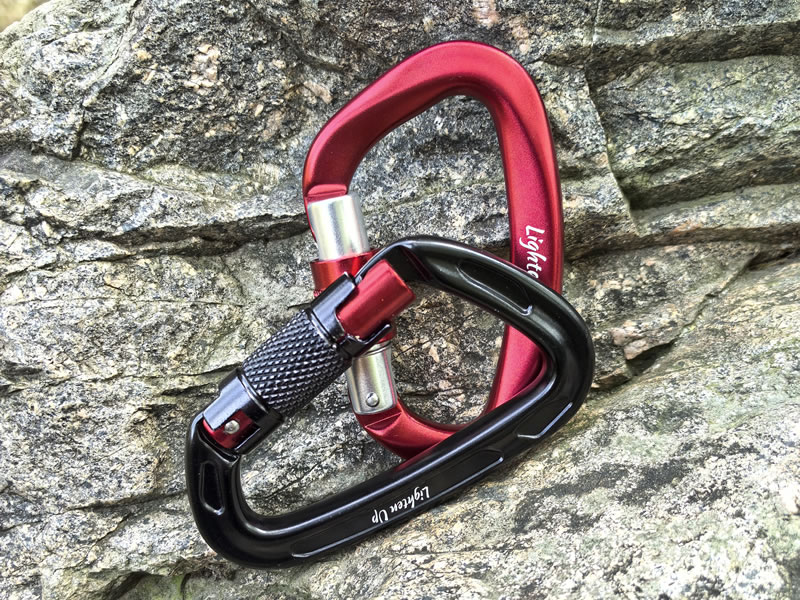
Why Standard Carabiners are Catastrophically Unsuitable
- Inadequate Strength Rating: Climbing carabiners are rated for human dynamic loads (typically 22-25 kN, or ~5,000 lbs). Recovery loads can be multiples of this. The rating on a "hardware store" carabiner is often for static weight only and is untrustworthy.
- Improper Design for the Load: Recovery creates immense, multi-directional forces. Carabiners are designed for a primary load along their spine. The "side loading" that frequently occurs in recovery scenarios can reduce a carabiner's effective strength by 65-70%, leading to instantaneous, brittle fracture.
- Material Failure: Aluminum, used in most carabiners, can fail catastrophically (shatter) under sudden shock loads. The metal deforms and cracks without warning.
The Correct Tool: The Forged Alloy Steel Bow Shackle
The only acceptable connector for joining a recovery strap to a winch hook, tow point, or another strap is a forged alloy steel bow shackle (also called a D-shackle) with a screw-in pin.
Why This is the Only Safe Choice:
- Material: Forged Alloy Steel (typically Grade 6, 8, or 10). Forging aligns the metal's grain structure, creating immense strength and toughness to handle shock loads without brittle failure.
- Design: The "bow" or rounded body allows straps and ropes to sit naturally, reducing wear. The screw-in pin (with a shoulder) secures the load and prevents it from unscrewing under vibration.
- Clear Ratings: Legitimate shackles from reputable manufacturers are stamped with a Working Load Limit (WLL) and a Minimum Breaking Strength (MBS), which is typically 4-6 times the WLL. You must know and respect these ratings.
How to Select the Proper Shackle
- Match or Exceed the WLL: The shackle's Working Load Limit must be equal to or greater than the rated capacity of the weakest component in your system (your winch, kinetic rope, or recovery strap). For a 10,000-lb winch, use a shackle with a minimum 10,000-lb WLL. When in doubt, go larger.
- Choose the Right Size: The shackle's bow must be large enough to freely accommodate the loops of your soft shackles, recovery straps, and winch hook without pinching or bending.
- Buy from Reputable Rigging Brands: Only purchase shackles from companies specializing in industrial lifting and rigging. Trusted brands include:CrosbyCampbell (CMP)Columbus McKinnon (CM)Van Beest (Green Pin)RUDAvoid no-name shackles from online marketplaces; their ratings are often fraudulent.
Critical Safety Protocols for Using a Recovery Shackle
- Never Side Load the Shackle: The load must be applied along the axis of the pin. Never connect the shackle directly to a tow hook or recovery point in a way that forces the load onto the pin's side.
- Finger-Tighten, Then Snug: Screw the pin in until it is finger-tight, then use a tool (like a shackle key or small punch) to give it an additional quarter-turn to snug it. Do not overtighten, as this can gall the threads and make it impossible to remove later.
- Inspect Before Every Use: Look for:Cracks or deformation, especially in the bow and at the pin holes.Worn or stretched threads on the pin.Corrosion that could hide cracks.Any shackle that has been overloaded (indicated by a bowed shape or a pin that is difficult to remove) must be permanently retired.
- Use a Protective Sleeve: When connecting to a synthetic winch line or soft shackle, use a shackle isolator or a piece of old hose over the shackle to prevent the synthetic material from being cut or abraded on the sharp edges of the metal.
The Modern Alternative: Soft Shackles
For many lighter to medium-duty recoveries, synthetic soft shackles made from high-strength Dyneema® are an excellent, and often safer, alternative to steel shackles.
- Advantages: Lighter, safer if they fail (they don't become metal projectiles), and will not damage vehicle surfaces.
- Crucial Rule: They must be rated for recovery use (with a published MBS) and used exactly as the manufacturer instructs. Never use a homemade or climbing sling.
Conclusion: A Matter of Risk Management
Selecting a connector for vehicle recovery is an exercise in risk management. The tremendous stored energy in a stretched kinetic rope or a loaded winch cable must be channeled through equipment engineered for the task. A forged alloy steel bow shackle with a rated WLL is the minimum standard for safe, hard connections.
By understanding the forces at play, investing in properly rated hardware from certified manufacturers, and adhering to strict usage and inspection protocols, you transform a potential failure point into a reliable link. Your recovery gear is a life-saving system. Do not compromise its integrity with a piece of hardware designed for keys, climbing, or anything less than the brutal reality of extracting a stranded vehicle.




