




Best Carabiner Size for a GoPro Mounting Strap: A Guide to Secure, Stable Mounting
Attaching a GoPro to a backpack strap, harness, or gear loop via a carabiner is a popular hands-free mounting technique for adventurers and content creators. However, selecting the wrong carabiner can lead to a lost camera, damaged equipment, or unstable footage. The "best" size is a careful balance of secure attachment, minimal weight, and functional compatibility. This guide will help you choose the optimal carabiner to keep your GoPro safe and your shots steady.
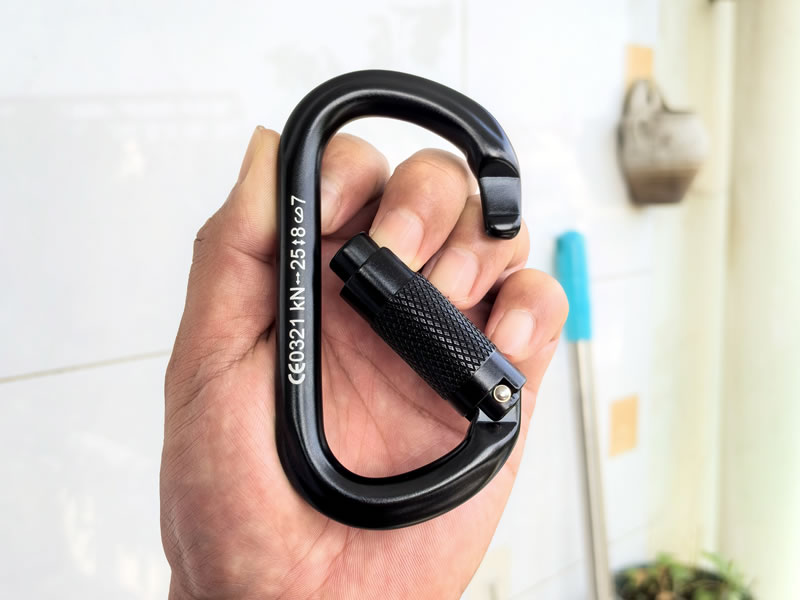
Core Principles: The Non-Negotiables
Before considering size, two foundational requirements must be met:
- A Locking Gate is Mandatory: Vibration from walking, running, or riding can easily cause a non-locking (snap-gate) carabiner to open and release your camera. You must use a carabiner with a screwgate, twist-lock, or auto-locking mechanism.
- Attach to the Strap, Not the Mount: Never clip the carabiner directly to the plastic "fingers" of a GoPro mount. This creates a dangerous leverage point that can snap the plastic. The carabiner must connect to a sewn loop or a durable lanyard that is then attached to the GoPro's standard mounting buckle.
The Ideal Size: Small and Purpose-Built
For this application, smaller is generally better. The ideal carabiner falls into the "mini" or "keychain" category, with specific dimensions:
- Length (Long Axis): 1.5 to 2.5 inches (4 to 6.5 cm). This keeps the setup compact and minimizes the pendulum effect that can cause camera swing and blurry footage.
- Gate Opening: At least 15mm (0.6 inches). This must be wide enough to easily clip onto the webbing loop of your mounting strap, often made of 1-inch nylon.
- Weight: Under 30 grams (1 ounce). A heavy carabiner adds unbalanced weight, straining the plastic mount and creating bounce.
A carabiner in this size range provides sufficient strength (far exceeding the weight of the GoPro) while remaining discreet and functional.
Why Not a Standard Climbing Carabiner?
While a full-sized climbing carabiner (22kN+) is strong, it is often overkill and problematic for this use:
- Excessive Weight & Bulk: Causes the camera to droop or swing violently.
- Increased Snag Hazard: More likely to catch on branches, rocks, or gear.
- Unnecessary Cost: Using high-end life-support gear for this utility role is wasteful.
Recommended Features for Optimal Performance
Beyond size, look for these features in your GoPro carabiner:
- Keylock / Snag-Free Nose: A nose design without a hook prevents the carabiner from catching on the webbing loop every time you clip and unclip it. This is a major quality-of-life improvement.
- Smooth, Anodized Finish: Protects both the carabiner and your gear from scratches.
- Positive Locking Action: The locking sleeve should be easy to operate but secure enough not to loosen from minor bumps. A double-action auto-locker (pull to twist) offers great security.
Step-by-Step Setup for a Secure Connection
- Acquire a Mounting Strap: Use a commercially available "Gear Tie" or "Tether" strap with a sewn loop, or create your own with a short length of nylon webbing tied into a loop with a water knot.
- Attach Strap to GoPro: Thread the strap through the GoPro's standard plastic buckle or a stainless steel buckle replacement for added security. Ensure the connection is tight.
- Clip the Carabiner: Screw open your chosen mini locking carabiner, clip it firmly onto the sewn loop of the strap, and securely tighten the lock.
- Attach to Your Gear: Clip the carabiner to a robust point on your backpack strap, harness gear loop, or chest strap. Always give it a firm tug to test the connection.
What to Avoid: Critical Safety Warnings
- Avoid Non-Locking Carabiners: The risk of losing your camera is extremely high.
- Avoid Cheap, Zinc-Alloy Carabiners: They are brittle, the gates are often weak, and the locking mechanisms can fail. Invest in a reputable brand (e.g., Black Diamond, Petzl, Nite Ize, or Metolius).
- Avoid Excessive Leverage: Ensure the mounted GoPro is positioned so it can't twist and apply sideways force (cross-load) to the carabiner.
- Never Use a Bungee Cord Alone: While bungees offer flexibility, they must be backed up by a secure carabiner or lanyard to prevent launch upon recoil.
Conclusion: The Perfect Balance of Security and Discretion
The best carabiner for a GoPro mounting strap is not the strongest one you can find, but the most appropriately sized, securely locking, and lightweight one. A mini locking carabiner from a trusted outdoor brand strikes the perfect balance, acting as a reliable and inconspicuous link between your adventure and your footage.
By following these guidelines—prioritizing a locking mechanism, attaching correctly to a strap loop, and choosing a compact size—you create a robust mounting solution. This ensures your focus remains on the experience, confident that your camera is securely capturing every moment without becoming a hazard or a loss. Test your setup thoroughly before relying on it in the field, and enjoy the freedom of a secure, hands-free perspective.




