




Forged vs. Bent Gate Carabiner Durability: A Matter of Manufacturing Integrity
When evaluating carabiner durability, the gate is a critical component. Its manufacturing process—whether forged or bent—fundamentally determines its long-term strength, resistance to fatigue, and overall reliability under load. Understanding this distinction is essential for anyone relying on carabiners for safety, professional use, or demanding outdoor applications.
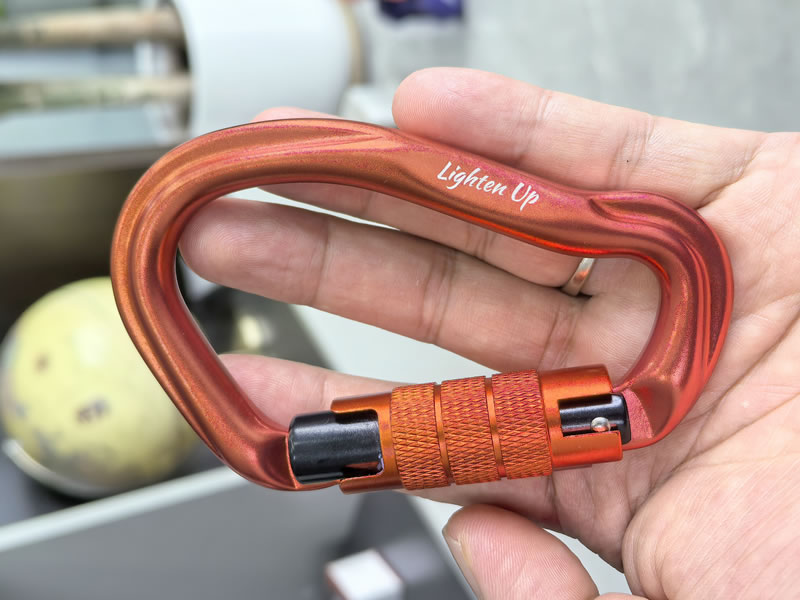
The Manufacturing Processes: A Tale of Two Methods
Forged Gate: The High-Strength Standard
Forging is a process where high-strength aluminum alloy (typically 7075-T6) is heated and shaped under immense pressure using dies. This compressive force aligns and compacts the metal's internal grain structure, creating a gate that is dense, uniform, and free from the microscopic flaws inherent in other methods. The gate is then precision-machined, heat-treated, and often anodized. This is the standard for virtually all certified climbing and life-support carabiners.
Bent Gate (or Wire Gate): A Misunderstood Term
It's crucial to differentiate. A high-quality wire gate on a climbing carabiner is typically made from a forged or extruded titanium or steel wire, then bent to shape and heat-treated. This is a specialized, durable design valued for its light weight and resistance to freezing.
The "bent gate" in a durability comparison usually refers to a lower-cost method where a rod or strip of metal is cold-bent into shape. This process can create internal stress concentrations at the bend points, and the metal's grain structure is not optimized for strength. This method is common in non-climbing, utility-grade carabiners.
Durability Comparison: Why Forging Reigns Supreme
| Durability Factor | Forged Gate | Bent Gate (Cold-Formed) |
|---|---|---|
| Material Integrity | Superior. Compressed grain structure eliminates porosity and creates a uniform, predictable material. | Weaker. Bending can cause micro-fractures and stress risers at the bend, creating points for fatigue cracks to initiate. |
| Fatigue Resistance | Excellent. Can withstand millions of open/close cycles and repeated dynamic loads without failure. | Poorer. The stressed areas from bending are prone to metal fatigue over time, especially under vibration or repeated impact. |
| Impact Strength | High. The dense, homogeneous material can absorb sudden shocks (e.g., a dropped carabiner on rock) without deforming. | Lower. More likely to notch, dent, or deform at the bend points upon impact, which can compromise gate function. |
| Gate Action Consistency | Highly consistent over its lifespan. Precision machining ensures smooth operation. | Can degrade. Wear at the pivot points and spring fatigue can lead to a "mushy" or unreliable gate action over time. |
| Long-Term Reliability | Engineered for decades of safe use in critical applications when properly maintained. | Designed for light-duty, intermittent use. Long-term reliability under stress is not guaranteed or tested to the same standards. |
Real-World Implications and Application Guide
When a Forged Gate is Non-Negotiable:
- All Life-Support Activities: Rock climbing, alpine mountaineering, industrial rope access, fall arrest systems, and rescue operations.
- High-Frequency/Professional Use: Gear used daily by guides, instructors, or arborists.
- Applications with Dynamic Loads: Any scenario where the carabiner will experience shock loading or vibration.
Where a Bent Gate (Utility Grade) May Suffice:
- Non-Critical Gear Organization: Attaching water bottles to packs, keychains, hanging lanterns in camp.
- Static, Light-Duty Use: Where failure would be an inconvenience, not a safety incident.
- Short-Term, Low-Impact Tasks: General DIY or temporary fixes where a certified carabiner is not required.
The Special Case of Wire Gates in Climbing
It is vital to note that a climbing-grade wire gate carabiner does not use a cheap "bent gate" process. Its wire is a high-tech component:
- It is forged or extruded for material integrity.
- It uses advanced alloys like titanium or music wire for strength and springiness.
- Its ends are machined and fitted with precision bearings.Its durability is exceptional for its purpose—primarily resisting ice-clogging and reducing weight—and it is fully certified to the same kN standards as solid-gate carabiners.
How to Identify a Forged Carabiner
- Look for Certifications: UIAA or CE marks and a stamped kN rating are near-guarantees of a forged, high-strength gate.
- Examine the Gate: A forged solid gate will have a substantial, machined appearance. Look for smooth radii and a lack of sharp, creased bends.
- Consider the Source: Reputable climbing brands (Petzl, Black Diamond, DMM, Camp) use forged components. Cheap, unrated carabiners from hardware stores often use bent gates.
- Price Point: True forging is a more expensive process, reflected in the product's cost.
Conclusion: Durability as a Function of Design Intent
The debate between forged and bent gate durability is ultimately about design intent and manufacturing quality. A forged gate is the result of an engineering process focused on maximum reliability under extreme stress. A cold-bent gate is the result of a manufacturing process focused on economical production for light-duty tasks.
For any application where connection failure could lead to injury, loss of essential gear, or significant property damage, the choice is clear: insist on a carabiner with a forged gate from a certified, reputable manufacturer. The inherent material superiority, fatigue resistance, and proven performance under load justify the investment. For organizing your keys on a daily commute, the distinction may be less critical—but understanding it empowers you to make an informed choice, ensuring the right tool is always used for the job. In safety-critical systems, durability is not a feature; it is the foundation.




