




Anodized Aluminum Carabiner Colors That Don't Fade: The Science of Durable Color
For outdoor enthusiasts and professionals alike, the vibrant colors of anodized aluminum carabiners are more than just aesthetic—they are crucial for gear identification and organization. A common question arises: will these colors fade under sun, abrasion, and harsh use? The resounding answer, when referring to properly anodized gear from reputable manufacturers, is no, the colors do not fade in the traditional sense. Understanding why requires a dive into the anodizing process itself, which fundamentally differs from painting or coating.
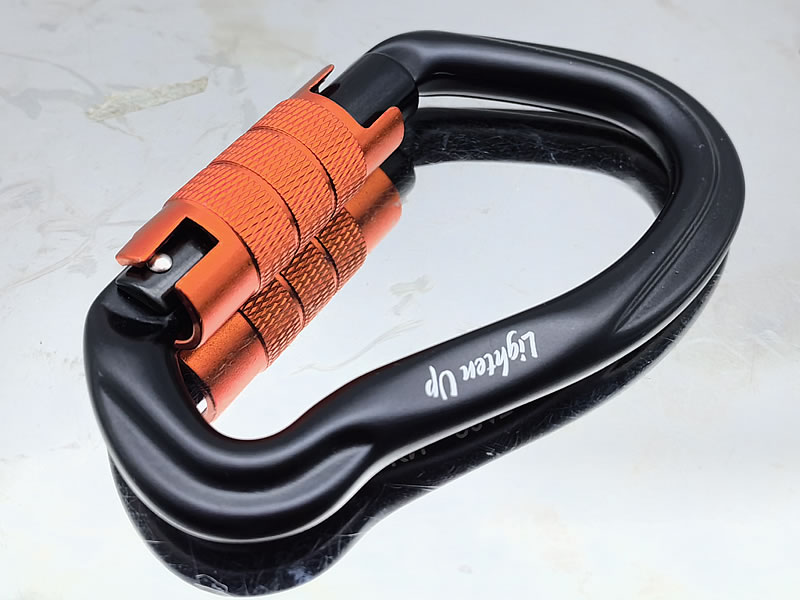
The Anodizing Process: Color as an Integral Property
Anodizing is an electrochemical process that transforms the surface of aluminum into a hard, porous, and corrosion-resistant oxide layer (aluminum oxide, the same material as sapphire). The key to its colorfastness lies in these steps:
- Etching and Anodizing: The aluminum part is submerged in an acid bath and subjected to an electrical current. This grows a microscopically porous, incredibly hard surface layer.
- Dyeing: The part is then immersed in a dye bath. The porous oxide layer absorbs and traps the dye molecules within its structure, not on top of it.
- Sealing: Finally, the part is sealed, usually with hot water or a sealant, which hydrates the oxide layer, causing it to swell and permanently lock the dye inside the microscopic pores.
This process makes the color an integral part of the material surface, not a superficial layer. It cannot chip or peel like paint.
Why High-Quality Anodized Colors Are So Durable
- UV Resistance: The dyes used for quality outdoor gear are specifically formulated to be UV-stable. While intense, prolonged sunlight can very slowly degrade some organic dyes over many years, the sealing process and modern dye chemistry make this effect minimal for branded climbing gear. The aluminum oxide layer itself is completely UV-stable.
- Abrasion Resistance: The anodized layer is exceptionally hard. When you see wear on an old carabiner, you are not seeing "faded color." You are witnessing the gradual, physical wearing away of the anodized layer itself at high-contact points (e.g., the nose or spine). As this happens, the underlying, un-anodized silver aluminum becomes visible. The adjacent color remains intact because the layer containing the dye is still present.
- Chemical Resistance: The sealed oxide layer is inert and resistant to solvents, saltwater, and sweat, preventing chemical bleaching.
Type II vs. Type III (Hard) Anodizing: A Crucial Distinction
Not all anodizing is equal, and this affects durability:
- Type II (Standard Anodizing): Common on many consumer goods and some carabiners. It provides good color and corrosion resistance. Under extreme abrasion, it may wear through to silver aluminum faster than Type III.
- Type III (Hard Anodizing): The industry standard for high-end climbing and tactical gear. It creates a much thicker, denser, and harder oxide layer. Colors on hard-anodized gear are exceptionally resistant to wear and "fading." The wear-through process takes significantly longer. Darker colors like black, achieved with different dyes and processes, often show this wear the least.
What You're Actually Seeing: Wear, Not Fade
When a well-used carabiner appears "faded," observe closely:
- Polished High Points: The color may look lighter on edges. This is often the anodized layer becoming polished smooth from friction, changing how it reflects light, not a loss of dye.
- Silver "Smiling": The classic sign of use on a carabiner's nose is the appearance of shiny, silver aluminum. This is the anodized layer being physically worn away, not the color fading. The color stops precisely where the layer remains.
Choosing and Caring for Truly Colorfast Carabiners
To ensure your gear’s color remains vibrant for years:
- Buy from Reputable Brands: Trusted climbing and outdoor brands (e.g., Black Diamond, Petzl, DMM, Camp) use high-quality Type III hard anodizing and UV-stable dyes as standard.
- Understand that Wear is a Badge of Honor: The slow, even wear of an anodized finish is a testament to the process working correctly. It indicates a hard, protective surface that is sacrificing itself to protect the core aluminum.
- Proper Cleaning: Clean with mild soap and water. Avoid harsh alkaline or acidic cleaners (like some dishwasher detergents) that can, over time, microscopically attack the sealed layer.
- Storage: While not necessary for color retention, storing gear out of prolonged, direct intense UV exposure (like a car dashboard) is a good practice for all materials.
Conclusion: Fade-Proof by Design
The colors on a properly anodized aluminum carabiner are engineered to be as durable as the tool itself. They do not fade like a printed t-shirt or painted metal. Instead, they wear slowly and predictably through hard use, revealing the history of the gear.
When you choose a carabiner from a leading manufacturer, you are selecting a product where color integrity is a function of material science, not just decoration. The vibrant hue is locked within one of the hardest surface treatments available, ensuring that your red, blue, or purple carabiner will remain identifiable and visually distinct season after season, adventure after adventure. The color won't fade away; it will be earned away through use, telling the story of every climb and load it has faithfully secured.




