




Carabiner Used in a Popular Movie or TV Show: When Functional Gear Becomes a Cultural Icon
In the realm of popular culture, everyday objects are often elevated to symbolic status through their association with iconic characters and scenes. The humble carabiner, a tool of pure utility, has experienced this transformation when featured in major films and television series. Its appearance is rarely accidental; prop masters and costume designers select it deliberately to convey traits of preparedness, tactical competence, and rugged capability. A carabiner used in a popular movie or TV show thus transcends its material form, becoming a visual shorthand that influences audience perception and, subsequently, real-world consumer desire.
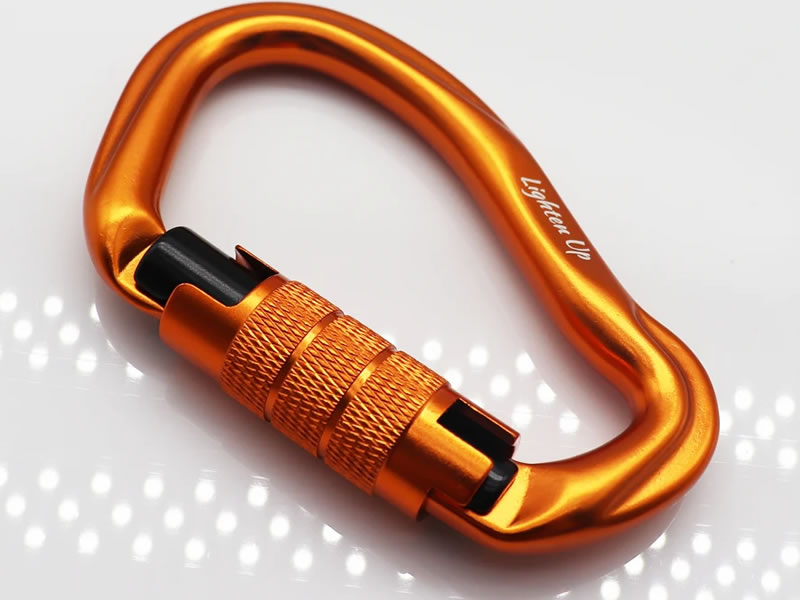
Buy Link: https://www.aliexpress.com/item/1005006645630519.html
The most iconic example is arguably from the Mission: Impossible film franchise. Tom Cruise’s Ethan Hunt is frequently depicted utilizing high-tech, bespoke gear. In key sequences, especially those involving aerial stunts or precarious climbs, a substantial, often steel, locking carabiner is visibly attached to his harness or gear vest. This isn't a generic clip; it’s portrayed as an integral, reliable component of his life-saving system. The message is clear: if the world’s most capable operative trusts this piece of equipment in life-or-death situations, it embodies ultimate reliability and strength. This association directly fuels its appeal among consumers seeking gear that projects confidence and competence.
Beyond high-octane spy thrillers, carabiners play a crucial role in survival and adventure narratives. In television series like Man vs. Wild or survival dramas, characters use carabiners to secure shelters, manage gear, and perform improvised rescues. Here, the carabiner symbolizes resourcefulness and practical ingenuity—a simple tool that unlocks complex solutions in the wilderness. This portrayal resonates deeply with outdoor enthusiasts, reinforcing the carabiner's status as an essential piece of kit for anyone venturing off the grid.
The influence extends to character design in action and sci-fi genres. A carabiner clipped to a hero’s belt loop or tactical vest is a subtle but effective detail. It suggests a character who is always ready, organized, and equipped to handle physical challenges. In dystopian shows like The Last of Us or tactical procedurals, these details are meticulously curated to build a believable, functional aesthetic. The gear, including the carabiner, becomes part of the character’s identity, making it aspirational for viewers who identify with those traits.
The commercial and cultural impact of such exposure is significant. Following a high-profile feature, specific models or styles can experience a surge in searches and sales, a phenomenon often called the “Prop Master Effect.” Enthusiasts and fans seek to own the exact item or a close replica to forge a tangible connection with the story or character. This transforms the carabiner from a simple tool into a piece of functional memorabilia. Brands may even see a stylistic trend emerge, with the “tactical,” “heavy-duty” look of a film-used carabiner becoming fashionable in everyday carry (EDC) communities.
However, it is crucial to distinguish between cinematic symbolism and real-world application. The carabiners used on screen are often chosen for their visual heft and aesthetic appeal under cameras, which may not align with optimal technical specifications for a given activity. A massive steel carabiner might look perfect on a movie harness but be impractically heavy for actual rock climbing.
In conclusion, the presence of a carabiner in a popular movie or TV show serves as a powerful cultural amplifier. It validates the tool’s functional essence while imbuing it with narrative qualities of heroism, survival, and readiness. This exposure bridges the gap between specialized gear and mainstream awareness, driving trends and shaping consumer perception. For the viewer, it becomes more than a clip; it is a miniature symbol of capability, a piece of a larger story about overcoming obstacles, and an invitation to incorporate that same spirit of preparedness into their own narrative. The carabiner, thus, climbs off the gear rack and into the collective imagination.




