




Instagram-Worthy Aesthetic Carabiner: When Function Meets Visual Culture
In the curated world of Instagram, every detail contributes to a personal narrative. From artisan coffee to minimalist tech, everyday objects are chosen not just for utility, but for their ability to communicate style, intentionality, and taste. Enter the Instagram-worthy aesthetic carabiner: a humble tool reimagined as a key accessory in the visual lexicon of modern lifestyle. This is not the bulky, scratched carabiner from the depths of a climbing harness; it is a deliberate design object, engineered as much for the grid as for the gear loop, seamlessly blending rugged capability with sophisticated aesthetics.
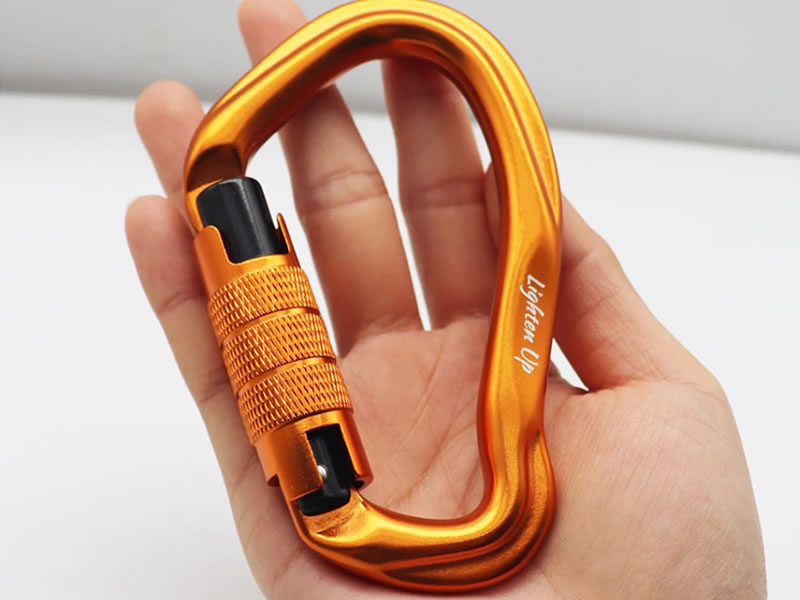
Buy Link: https://www.aliexpress.com/item/1005007305671078.html
The rise of the aesthetic carabiner is a direct result of several converging trends: the popularity of Everyday Carry (EDC) as a style category, the "gorpcore" fashion movement that embraces technical outdoor gear in urban settings, and a broader cultural appreciation for functional minimalism. On platforms like Instagram and TikTok, these carabiners aren't just holding keys—they’re styling a tote bag, securing a rolled-up magazine to a backpack, or adding a utilitarian accent to a clean desk setup. Their appeal lies in their suggestion of a life that is both adventurous and composed.
So, what defines an Instagram-worthy carabiner? Several key design principles set it apart:
- A Curated Color Palette: Gone are the neon safety colors of pure utility. The aesthetic leader opts for muted, earthy, and sophisticated tones. Think matte olive drab, terracotta, slate grey, beige, and desaturated blues. These colors are versatile, photogenic, and align with popular interior and fashion palettes, allowing the carabiner to complement a scene rather than clash with it.
- Minimalist Form and Finish: Clean lines are paramount. The design often features a sleek, low-profile silhouette with minimal branding. The finish is critical—matte or bead-blasted coatings reduce glare and look tactile, while subtle brushed or anodized metals convey quality. Any logos are typically small, discreet, and often rendered in a tonal or engraved fashion.
- Intentional Material Contrast: High-quality materials are visibly and texturally apparent. This might be the warm touch of natural leather on a strap attachment, the clean precision of brushed stainless steel, or the lightweight integrity of hard-anodized aluminum. The material story speaks to craftsmanship and longevity, values highly prized in visual culture.
- Versatile Styling Potential: Its "worthiness" is proven by its ability to elevate diverse scenarios. It can look equally at home clipped to the strap of a linen tote bag at a farmers market, organizing cables on a minimalist desk, or hanging a vintage enamel cup from a backpack during a weekend hike. This chameleon-like adaptability is its superpower.
Beyond the Photo: The Performance Promise
Critically, for the discerning consumer, aesthetic appeal cannot come at the cost of performance. The most respected aesthetic carabiners are not just pretty shells. They maintain core functional integrity: a smooth, reliable gate action (often a satisfying magnetic close), a robust construction that feels substantial in hand, and thoughtful features like a snag-free keylock nose. This ensures the item is a legitimate tool, not a prop, which adds authenticity to its story—a value highly regarded by audiences.
Cultural Significance and the "Tool-as-Accessory"
This trend signifies a deeper shift: the erosion of the boundary between specialized gear and daily life. Carrying a beautifully designed, functional carabiner is a subtle signal. It suggests preparedness, an appreciation for thoughtful design, and a connection to the outdoors, even if one’s day is spent largely in urban environments. It’s a token of a practical mindset, rendered in an aesthetically conscious form.
For brands and consumers alike, the Instagram-worthy aesthetic carabiner represents a new product category. It demands an understanding of both engineering and visual culture. For the user, selecting one becomes an act of personal curation—a small but meaningful way to integrate purpose, preparedness, and beauty into the daily fabric of life. It proves that utility, when thoughtfully designed, is inherently photogenic. In the end, it’s not just about having the right tool for the job; it’s about having a tool that tells the right story.




