




Are Expensive Trekking Poles Worth It? A Value Analysis for Every Hiker
The question of whether expensive trekking poles are worth the investment hinges not on a simple yes or no, but on a clear understanding of what you’re paying for and how it aligns with your specific needs on the trail. While a quality $50 pair can be fantastic, a $200+ pair offers tangible, high-end benefits that justify the cost for a specific type of user. The value is found in the intersection of advanced materials, refined engineering, and the demands of your hiking style.
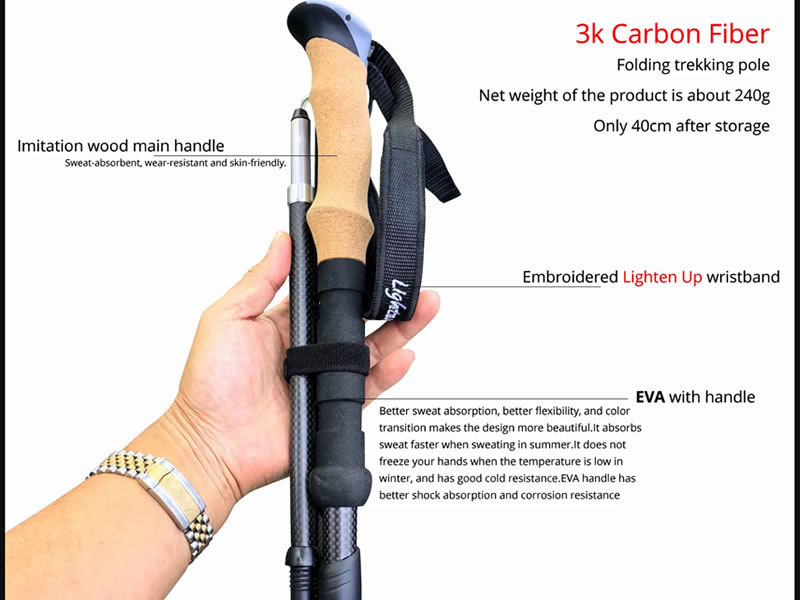
Recommended trekking pole purchase link: https://s.click.aliexpress.com/e/_c4M7OWaN
What You Pay For in the Premium Tier:
- Advanced Materials and Weight Savings: This is the primary driver of cost. Expensive poles often use high-modulus carbon fiber. This isn't just "carbon fiber" in name; it's a superior grade that offers an exceptional strength-to-weight ratio. Shaving ounces from each pole significantly reduces arm fatigue over a 15-mile day or a multi-week thru-hike. For the weight-conscious hiker, this is a performance upgrade akin to wearing lighter trail runners.
- Superior Durability and Engineering: The investment goes beyond the raw material. Premium poles feature more robust and precise locking mechanisms (like Black Diamond's FlickLock Pro) that are less prone to slippage and easier to operate in mud or cold. The joints are machined to tighter tolerances, eliminating wobble. The grips use higher-quality cork or ergonomically shaped foam that lasts longer and provides better moisture management.
- Enhanced Features and Dampening: Top-tier poles frequently incorporate advanced vibration dampening systems (like Leki's Super Anti-Shock). These aren't simple springs; they are tuned systems that actively absorb high-frequency trail shock, reducing fatigue in hands, wrists, and shoulders—a major benefit on long descents or rocky terrain. Adjustability is also finer and more reliable.
- Long-Term Reliability and Warranty: You are often paying for a brand's reputation and a more comprehensive warranty. A company like Black Diamond, Leki, or Komperdell stands behind their premium products with strong customer service and repair programs, which can make them a "buy it for life" item.
When Budget Poles ($50 - $100) Are the Smarter Choice:
For the casual or beginner hiker who hits trails on weekends, a highly-rated budget pole (like those from Cascade Mountain Tech or REI's co-op brand) is arguably the best value. These poles, typically made of reliable aluminum with functional flick locks and decent cork grips, deliver 85-90% of the core benefit of trekking poles—stability, reduced joint impact, and rhythm. The performance gap doesn't justify a 300% price increase for occasional use.
The Verdict: Who Should Invest?
Expensive trekking poles are worth it if you fit into one or more of these categories:
- The Frequent Hiker/Thru-Hiker: You log hundreds of miles per season. The cumulative weight savings and reduced fatigue are a game-changer.
- The Weight-Conscious Ultralight Enthusiast: Saving grams on every piece of gear is a core philosophy.
- The Hiker with Joint Concerns or Seeking Maximum Comfort: Superior shock absorption can make a dramatic difference in long-term comfort on demanding descents.
- The Adventurer in Technical Terrain: You need bombproof reliability, secure locks, and confidence in rough, off-trail conditions.
Conclusion: Value is Personal
Consider it a spectrum. Budget poles are a tool to try out the concept. Mid-range poles ($100-$150) are a tool that reliably performs for most dedicated hikers. Expensive poles are a performance-optimized piece of gear where marginal gains in weight, vibration control, and longevity are valued highly.
For the average recreational hiker, a mid-range pole offers the sweet spot. For the dedicated enthusiast pushing long distances over tough terrain, the investment in premium poles is not just worth it—it's a critical part of a high-performance kit. Assess your mileage, terrain, and priorities; the right choice will become clear.




