




How to Clean and Maintain Trekking Poles?
Trekking poles are crucial pieces of gear that enhance stability, safety, and endurance on the trail. Yet, they are often subjected to mud, sand, moisture, and constant impact. Without proper care, their mechanisms can fail, and their lifespan can shorten dramatically. Regular cleaning and maintenance not only ensure reliable performance when you need it most but also protect your investment for years to come. This comprehensive guide will walk you through a complete maintenance routine.
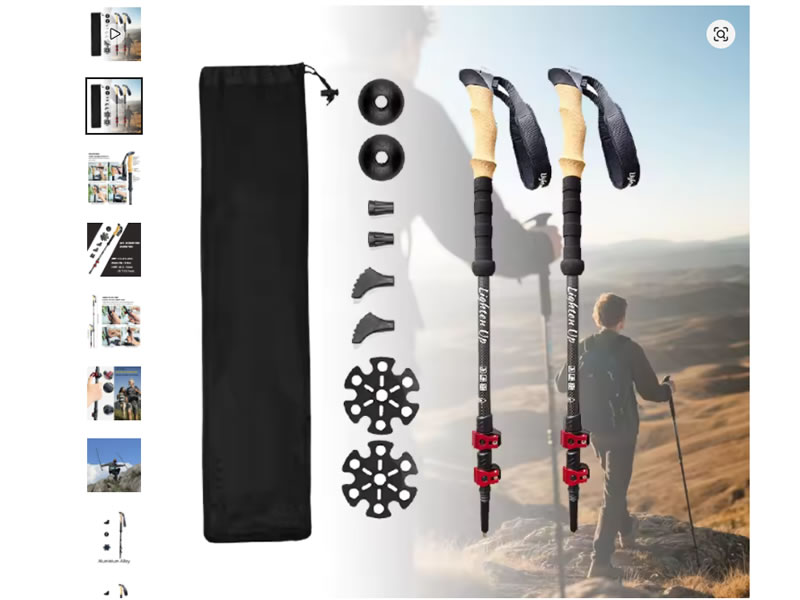
Recommended trekking pole purchase link: https://s.click.aliexpress.com/e/_c4M7OWaN
The Importance of Regular Maintenance
Neglected poles suffer from:
- Gritty, Sticky Locks: Dirt inside the shaft sections compromises the locking mechanism.
- Corrosion: Moisture left inside can corrode internal components, especially in twist-lock models.
- Premature Wear: Abrasive dirt accelerates wear on tips, baskets, and shaft coatings.
- Unexpected Failure: A seized or slipping pole on steep terrain is a significant safety hazard.
Tools & Materials You'll Need
- Mild dish soap or gear cleaner
- Lukewarm water
- Soft cloths or a sponge
- A small, soft brush (an old toothbrush works perfectly)
- A dry towel
- Isopropyl alcohol (for deep cleaning locks)
- Silicone-based lubricant (specifically designed for trekking pole locks)
- A bowl or sink
Step-by-Step Cleaning & Maintenance Routine
1. Post-Hike Basic Clean (5 Minutes)
After every hike, take a moment for a quick wipe-down. Use a damp cloth to remove mud, dust, and moisture from the shafts, grips, and straps. Extend the poles fully and check the locking mechanisms for large debris. This simple habit prevents the majority of buildup and corrosion.
2. Deep Cleaning (Every Few Trips or After Very Muddy Hikes)
- Disassemble: Fully collapse your poles and separate all sections.
- Wash Exteriors: In lukewarm, soapy water, gently wash each section, the grips, and the straps with your soft cloth or brush. Avoid submerging the locking mechanisms if possible.
- Clean Locking Mechanisms: For flick/lever locks, use the dry brush to dislodge grit from the cam and inside the collar. For twist locks, a few drops of isopropyl alcohol inside the mechanism can help dissolve grime—twist several times and let it evaporate completely.
- Rinse & Dry: Rinse all parts with clean water. The most critical step is thorough drying. Use a dry towel on the exteriors and leave all sections fully extended and uncollapsed in a well-ventilated area for 24-48 hours. This ensures all internal moisture evaporates.
3. Lubrication (When Locks Feel Gritty or Stiff)
Once completely dry, apply maintenance. Never use WD-40 or oil-based lubricants, as they attract more dirt. Use only a silicone-based lubricant designed for gear.
- For lever locks: Apply a tiny drop to the moving cam hinge.
- For twist locks: Apply a small amount to the expander plug inside the lower section, then twist to distribute.
- Work the mechanism several times and wipe away any excess lubricant.
4. Inspection & Component Check
While cleaning, inspect for wear:
- Tips: Are the carbide points worn down or loose? (See our guide, "How to Replace Trekking Pole Tips?" for replacement instructions).
- Baskets: Are they cracked or missing?
- Shafts: Look for deep scratches, dents, or cracks, especially on carbon fiber models.
- Grips & Straps: Check for excessive wear, tears, or uncomfortable seams.
5. Proper Storage
Never store poles collapsed or in a damp environment. Keep them fully extended or at least partially extended in a cool, dry place like a closet. Avoid leaving them in a hot car, which can degrade materials.
Pro Tips for Longevity
- Pre-Clean Before Adjusting: Try to wipe off mud from a lower section before collapsing it into a cleaner upper section.
- Use Rubber Tips on Pavement: When walking on roads or hard surfaces, use the included rubber tip covers to prevent rapid wear on your carbide tips.
- Address Salt Build-Up: If you hike in snowy conditions where poles are exposed to road salt, clean them more frequently to prevent corrosive damage.
Conclusion
A consistent and simple maintenance routine is the key to having trekking poles that perform flawlessly for hundreds of miles. By dedicating a small amount of time after your adventures to clean, dry, and inspect your gear, you ensure safety, reliability, and longevity. Well-maintained poles are ready to support you on every step of your next journey.
Do you have a unique pole maintenance hack or a question about a specific issue? Share your thoughts in the comments below to help fellow hikers!




