




How to Remove Rust from Aluminum Trekking Poles?
First, a critical clarification: Pure aluminum does not rust in the traditional sense. Rust is iron oxide, specific to iron and steel. Aluminum trekking poles, however, are susceptible to other forms of corrosion and discoloration that are often mistaken for rust. This guide will help you identify what you're actually seeing, provide safe removal methods, and explain how to prevent future damage.
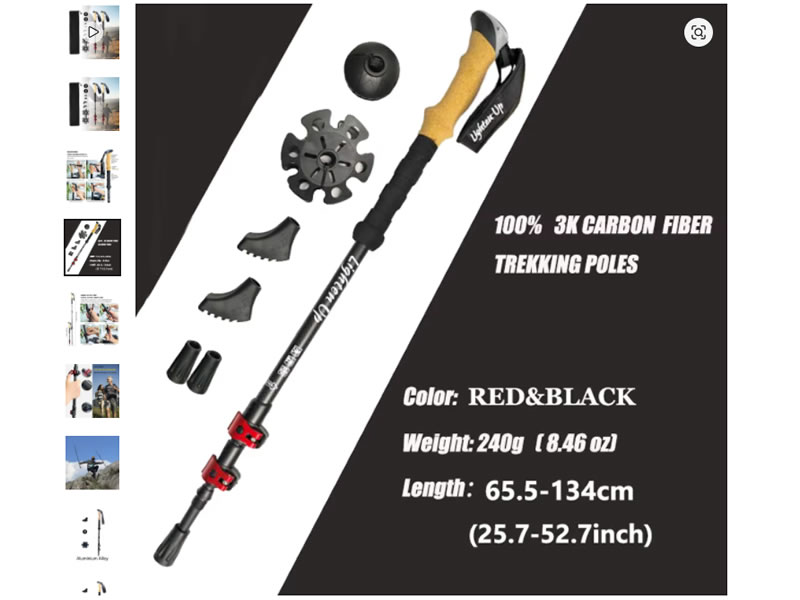
Recommended trekking pole purchase link: https://s.click.aliexpress.com/e/_c4M7OWaN
Understanding What You're Actually Seeing
Aluminum reacts with oxygen to form a thin, protective layer of aluminum oxide. This is a good thing—it protects the metal beneath. The issues commonly called "rust" are usually one of three things:
- White Oxidation or "Chalking": A white, powdery residue that appears on the surface. This is accelerated aluminum oxide formation, often caused by prolonged exposure to salt (sweat, sea air) or harsh chemicals.
- Galvanic Corrosion: A more serious, crusty white or gray deposit. It occurs when two dissimilar metals (e.g., an aluminum shaft and a steel locking mechanism or screw) are in contact in the presence of an electrolyte (like water or sweat). This can cause pitting.
- External Rust Stains: Literal red/brown rust transferred onto your aluminum pole from a steel tent stake, car rack, or other ferrous object it rubbed against.
Safety First: What NOT to Do
- Avoid Steel Wool or Abrasive Scouring Pads: These can scratch the surface deeply, embed steel particles into the aluminum (causing future rust spots), and destroy anodized coatings.
- Avoid Harsh Acids or Alkaline Cleaners: Strong products like oven cleaner or muriatic acid can aggressively attack the aluminum itself, not just the corrosion.
- Never Use a Wire Brush: Same principle as steel wool—it will scratch and potentially contaminate the metal.
Step-by-Step Cleaning Guide
Tools & Materials You'll Need:
- Mild dish soap
- Warm water
- Soft-bristled brush (nail brush or old toothbrush)
- Soft cloths or sponges
- White vinegar or lemon juice (mild acid)
- Baking soda (mild abrasive and alkali)
- Isopropyl alcohol (for final cleaning)
- Optional: Commercial aluminum cleaner or anodized coating protectant (e.g., WD-40 Specialist Silicone)
Step 1: Initial Cleaning & Assessment
- Disassemble your poles completely.
- Wash all sections with warm, soapy water and the soft brush to remove dirt and grime. Dry thoroughly.
- Examine the "rust" spots closely. Is it red/brown (external stain) or white/grey (aluminum corrosion)?
Step 2: Treating White Oxidation or Galvanic Corrosion
For the chalky white deposits:
- Create a paste of baking soda and water (about a 3:1 ratio).
- Gently rub the paste onto the affected area with your soft cloth or finger. The baking soda acts as a gentle abrasive and helps neutralize salts.
- For stubborn spots, soak a cloth in white vinegar or lemon juice and wrap it around the area for 5-10 minutes. The mild acid will dissolve the oxidation. Monitor closely to avoid prolonged exposure.
- Scrub lightly with the baking soda paste again, then rinse thoroughly with water and dry immediately.
Step 3: Removing External Rust Stains
For red/brown iron oxide stains:
- A mild acid is also effective here. Soak a cloth in white vinegar and hold it against the stain for several minutes.
- Alternatively, make a thicker paste with lemon juice and baking soda. Apply, let sit for a few minutes, then gently scrub.
- The rust stain should lift away. Rinse and dry completely.
Step 4: Final Cleaning & Protection
- After any acidic treatment, wash the entire pole again with soapy water to neutralize any residual acid.
- Wipe down with isopropyl alcohol to remove any last residues and ensure a perfectly clean, dry surface.
- For added protection, especially for anodized poles, apply a light spray or wipe of a silicone-based lubricant/protectant to the cleaned areas. This creates a water-repellent barrier. Avoid getting any lubricant on locking mechanisms or grips.
Addressing Pitting and Severe Galvanic Corrosion
If the corrosion has created visible pits or crusty deposits around metal fittings, the structural integrity might be compromised. After cleaning, inspect carefully. Deep pitting weakens the metal. If severe, consider contacting the manufacturer about a warranty or replacement, especially for carbon fiber poles where aluminum parts are bonded.
Prevention: The Best Cure
- Dry Your Poles After Every Use: Never store them wet or collapsed. Wipe down and allow to air dry fully extended.
- Clean After Exposure to Salt or Minerals: Rinse poles with fresh water after beach hikes or in areas with heavy road salt in winter.
- Regular Maintenance: Periodically clean poles with soapy water and inspect locking mechanisms for early signs of galvanic corrosion.
- Proper Storage: Store in a cool, dry place, not a damp basement or hot car trunk.
Conclusion
While true rust isn't the enemy of your aluminum poles, oxidation and corrosion are. By using gentle, non-abrasive cleaning methods like vinegar and baking soda, you can safely remove unsightly stains and deposits without damaging the underlying metal or its protective coatings. Consistent care and thorough drying are the most powerful tools you have to keep your trekking poles looking and functioning like new for countless miles.
Have you successfully revived a pair of corroded poles? Share your cleaning tips or questions in the comments below to help the hiking community!




