




Are Trekking Poles Allowed on Airplanes? A Traveler's Definitive Guide
Navigating airline security with outdoor gear can be confusing, but the rule for trekking poles is clear and strict: Trekking poles are almost never allowed in the airplane cabin as carry-on luggage. They must be packed in your checked baggage.
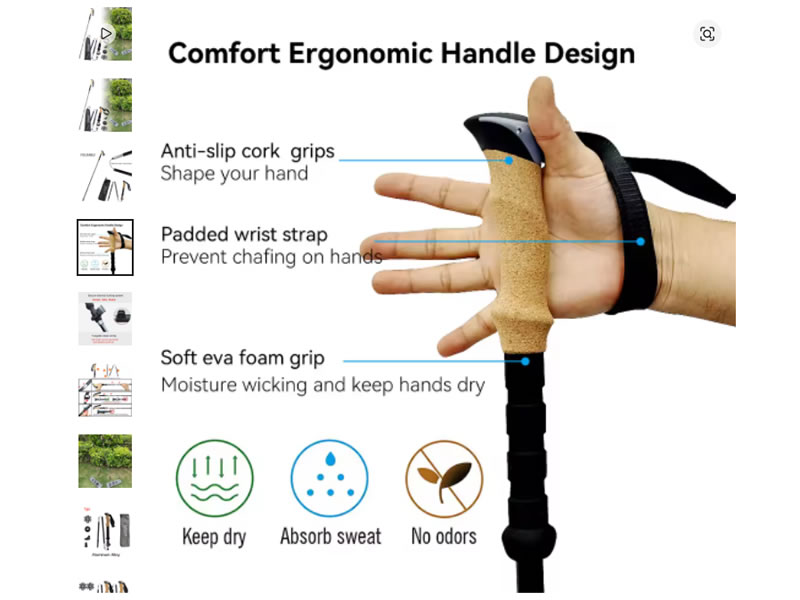
Recommended trekking pole purchase link: https://s.click.aliexpress.com/e/_c4M7OWaN
This policy is consistent across most major airlines and security agencies worldwide, including the U.S. Transportation Security Administration (TSA), the European Union Aviation Safety Agency (EASA), and others. The reason is straightforward: trekking poles are classified as potential weapons or sports equipment that could be used as bludgeons, similar to baseball bats, golf clubs, or ski poles.
The Official Rules: Carry-On vs. Checked Luggage
- Carry-On Luggage: PROHIBITED. If you attempt to bring them through security, they will almost certainly be confiscated. The TSA and equivalent agencies explicitly list "hiking poles" and "walking sticks" (unless medically required) as prohibited items in the cabin.
- Checked Luggage: PERMITTED. This is the only way to transport them. Packing them properly is crucial to prevent damage to your poles or your other belongings.
How to Pack Trekking Poles for Checked Luggage
To ensure your poles arrive intact and don't cause issues:
- Collapse Them Fully: Adjustable poles should be shortened to their minimum length. Foldable Z-poles should be fully folded.
- Secure the Tips: Always put the rubber trekking tip covers on. If you've lost them, use duct tape or a cork to cover the sharp, hardened carbide tips. This protects your bag and other items from punctures and tears.
- Use a Protective Sleeve: Ideally, place them in a dedicated trekking pole travel case, a padded ski sleeve, or a simple cardboard tube. You can also strap them tightly to the frame of your internal-frame backpack if you're checking your pack.
- Position in Bag: Place them along a rigid side of your suitcase or duffel, preferably in a compartmentalized section. This prevents them from bending under shifting weight.
Important Exceptions and Nuances
- Medical Mobility Aids: If you require a single walking stick or pole for stability due to a medical condition or disability, it may be allowed in the cabin. It is best to contact the airline in advance, have documentation ready, and be prepared for additional screening. This exception typically does not apply to a pair of recreational trekking poles.
- Airline-Specific Policies: Always double-check your airline's website before flying. While the rule is nearly universal, specific wording or minor allowances can vary. Budget airlines may have particularly strict enforcement.
- International Travel: The prohibition is global. Don't assume rules are looser in other countries; European and Asian airlines adhere to similar security protocols.
Practical Tips for Traveling Hikers
- Consider Compact, Foldable Poles: If you travel frequently, investing in a pair of poles that fold down to under 16 inches (like Z-poles) makes packing in checked luggage much easier.
- Ship Them Ahead: For long thru-hikes where you're flying to a start point, many hikers choose to ship their poles, along with other prohibited gear (like tent stakes), directly to their first hotel or post office via a parcel service.
- Rent at Your Destination: In many popular hiking destinations worldwide, outdoor shops offer affordable trekking pole rentals, eliminating the travel hassle entirely.
Summary Table
| Transport Method | Allowed? | Key Requirement |
|---|---|---|
| Carry-On Luggage | ❌ No | Prohibited by security agencies. Will be confiscated. |
| Checked Luggage | ✅ Yes | Must be securely packed with tips protected. |
| As a Medical Aid | ⚠️ Possibly | Prior airline approval & documentation required. |
Final Verdict: To avoid disappointment at security, always pack your trekking poles in your checked suitcase. Plan ahead, protect them properly, and enjoy a hassle-free journey to the trailhead. Safe travels and happy hiking!




