




Best Hiking Poles for Beginners on a Budget?
Starting your hiking journey is exhilarating, but the gear list can seem overwhelming and expensive. Among the most recommended—and most beneficial—pieces of equipment are trekking poles. For beginners, they are a game-changer: improving balance, reducing impact on knees and joints by up to 25%, and increasing overall endurance. The good news? You don’t need to break the bank to get a reliable, high-quality pair. This guide will walk you through what to look for and our top picks for the best budget-friendly hiking poles.
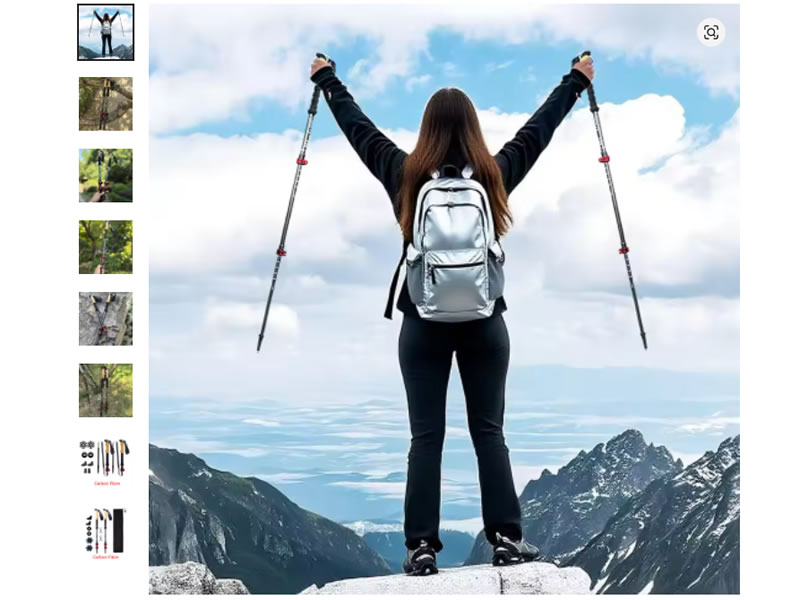
Recommended trekking pole purchase link: https://s.click.aliexpress.com/e/_c4M7OWaN
Why Every Beginner Should Consider Trekking Poles
Many new hikers wonder if poles are necessary. Think of them not as an extra burden, but as an extension of your body. They provide two additional points of contact with the ground, dramatically improving stability on uneven terrain, stream crossings, and slippery descents. They help you maintain rhythm, engage your upper body, and can even be used to push aside foliage or check the depth of mud. For a minimal investment, they significantly boost your confidence and safety on the trail.
Key Features to Look for in Budget Poles
- Material: At a budget price point, aluminum alloy (typically 6061 or 7075) is your best friend. It’s durable, lightweight enough for beginners, and highly affordable. Avoid heavy steel poles.
- Adjustability: Look for two-section or three-section adjustable poles with a secure locking mechanism (flip locks are generally more reliable and easier to adjust with cold/wet hands than twist locks). This allows you to customize the length for uphill, downhill, and flat sections.
- Grip Material: Comfort is key. Foam grips are soft, absorb sweat well, and are great for warm climates. Cork grips mold to your hand over time and also manage moisture. Avoid hard plastic if possible.
- Wrist Straps: A proper, padded wrist strap is crucial for efficient pole use, allowing you to relax your grip and transfer power through your arms. Ensure they are adjustable.
- Tips and Baskets: Most poles come with a standard carbide/tungsten tip for traction on dirt and rock, and small trekking baskets for general use. Ensure these are interchangeable if you plan to hike in snow (which requires larger snow baskets).
Top Recommendations for Beginners on a Budget
After extensive research and community feedback, here are standout models that offer exceptional value:
- Cascade Mountain Tech Carbon Fiber Quick Lock Trekking Poles: Often hailed as the undisputed "best value" champion. For around $40-$50, you get carbon fiber shafts (lighter and more vibration-dampening than aluminum) with secure flip locks, cork grips, and removable baskets. They frequently top "best of" lists and are a phenomenal entry point.
- Montem Ultra Strong Hiking Poles: Another fiercely competitive option in the $35-$45 range. They feature durable 7075 aluminum, comfortable foam grips, reliable flip locks, and come with extra tips and snow baskets. Their strength and simplicity make them a workhorse for new hikers.
- TrailBuddy Hiking Poles: A consistent favorite under $40. These aluminum poles are known for their sturdiness, easy-to-use flip locks, and sweat-wicking foam grips. They often include extendable features for building a emergency shelter.
Where to Shop for Deals:
Check Amazon for frequent discounts on these models. REI’s Outlet section and seasonal sales are goldmines for discounted gear from major brands. Decathlon also offers incredibly affordable and well-reviewed in-house models.
Final Tips Before You Buy
Before purchasing, consider if a pair or a single pole suits your style. Most beginners benefit from a pair for symmetrical balance. Remember, the lightest and most expensive poles aren't necessary to start. Focus on the core features that enhance safety and comfort.
Investing in a sub-$50 pair of quality trekking poles is one of the smartest first purchases a new hiker can make. They lower the barrier to exploring longer trails, protect your body, and build the good habits that will support a lifetime of adventure. Your knees—and your trail confidence—will thank you.




