




Hiking Poles vs Trekking Poles: What's the Difference?
If you’re shopping for supportive poles for your outdoor adventures, you’ve likely encountered the terms “hiking poles” and “trekking poles” used seemingly interchangeably. This often leads to a common question: Is there a real difference, or is it just marketing jargon? The short answer is that in modern usage, there is essentially no functional difference. However, exploring the subtle historical and contextual nuances can help you make a more informed purchase that perfectly matches your intended use.
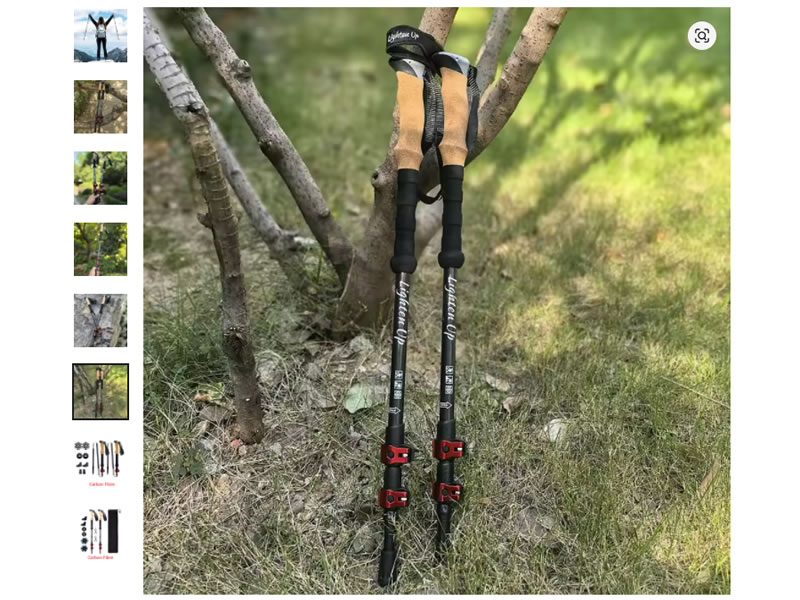
Recommended trekking pole purchase link: https://s.click.aliexpress.com/e/_c4M7OWaN
The Core Similarity: More Alike Than Different
At their heart, both hiking and trekking poles serve the same fundamental purposes. They are adjustable, handheld poles designed to:
- Enhance stability and balance on uneven terrain.
- Reduce significant impact and strain on knees, hips, and ankles during descents.
- Improve endurance and rhythm by engaging the upper body.
- Provide utility for testing water depth, clearing spiderwebs, or as part of an emergency shelter.
Whether labeled "hiking" or "trekking," you will find poles with the same key features: adjustable shafts (usually aluminum or carbon fiber), ergonomic grips (cork, foam, or rubber), wrist straps, and interchangeable tips.
The Nuanced Distinctions: Context and Connotation
Where a slight distinction sometimes exists, it lies in connotation, intensity, and regional preference.
- Activity & Terrain Connotation:Trekking Poles: This term often conjures images of more demanding, multi-day adventures—think backpacking, thru-hiking, or traversing rugged, remote alpine terrain. "Trekking" implies a longer, more strenuous journey. Consequently, poles marketed as "trekking poles" might be more likely to feature ultralight materials (like premium carbon fiber), minimalist baskets, and grips optimized for prolonged, sweaty use.Hiking Poles: This term is generally associated with day hikes, well-maintained trails, and weekend adventures. Poles sold as "hiking poles" might sometimes skew towards durability and value over shaving every last ounce, often using reliable aluminum alloys. However, this is a broad generalization, not a rule.
- Regional Linguistic Preference:In North America, "hiking poles" is the more commonly used phrase in everyday outdoor retail and conversation.In Europe and many other parts of the world, "trekking poles" is the dominant term. The activity "trekking" is also a more common description for what North Americans call "backpacking."
- The "Walking Stick" Exception:It's worth noting a third category: the single walking staff or pole. This is often a non-adjustable, single pole used more for casual walking or light trail support. When discussing pairs of poles for technical support, the hiking vs. trekking debate is most relevant.
Comparison Table: Hiking Poles vs. Trekking Poles at a Glance
| Feature | Hiking Poles | Trekking Poles |
|---|---|---|
| Primary Use | Day hiking, moderate trails. | Longer trips, backpacking, rugged terrain. |
| Common Materials | Often aluminum alloy for durability & value. | Often include premium carbon fiber for light weight. |
| Adjustability | Almost always adjustable (2-3 sections). | Almost always adjustable (2-3 sections). |
| Grips | Cork, foam, or rubber; all common. | Cork & foam are highly preferred for moisture management. |
| Weight Focus | Durable, but may be slightly heavier. | Often prioritized for ultralight properties. |
| Regional Preference | Predominant term in North America. | Predominant term in Europe and internationally. |
Practical Advice: How to Choose What's Right for You
Don't get caught up in the label. Instead, focus on the specifications and features that match your adventures:
- For the Casual Day Hiker: Look for a sturdy, adjustable pair labeled either way. Features like flip locks (easier to adjust than twist locks) and comfortable foam or cork grips are key. Excellent budget options from brands like Cascade Mountain Tech perform brilliantly.
- For the Backpacker or Thru-Hiker: Prioritize weight and performance. Search for "trekking poles" in filters, but scrutinize the specs. Seek out carbon fiber models and grips that wick moisture during long, sweaty days. Brands like Black Diamond, Leki, and REI Co-op offer specialized models.
The Bottom Line:
The difference between hiking poles and trekking poles is largely semantic and historical. You will find high-quality and low-quality options under both names. Let your specific needs—the type of trails you tackle, your budget, and your priority on weight—guide your decision, not the specific word on the product page. Whether you call them hiking poles or trekking poles, investing in a good pair is one of the best decisions you can make for your comfort, stability, and long-term joint health on the trail.




