




Most Durable Hiking Poles for Dogs That Chew on Them?
For hiking enthusiasts who share the trail with their canine companions, few moments are as disheartening as turning around to find your trusty trekking pole has become your dog’s newest chew toy. While no hiking pole is marketed as “chew-proof,” selecting the most durable construction and pairing it with smart strategies can save your gear and your hike. This guide explores how to choose poles that can withstand curious jaws and how to manage the behavior itself.
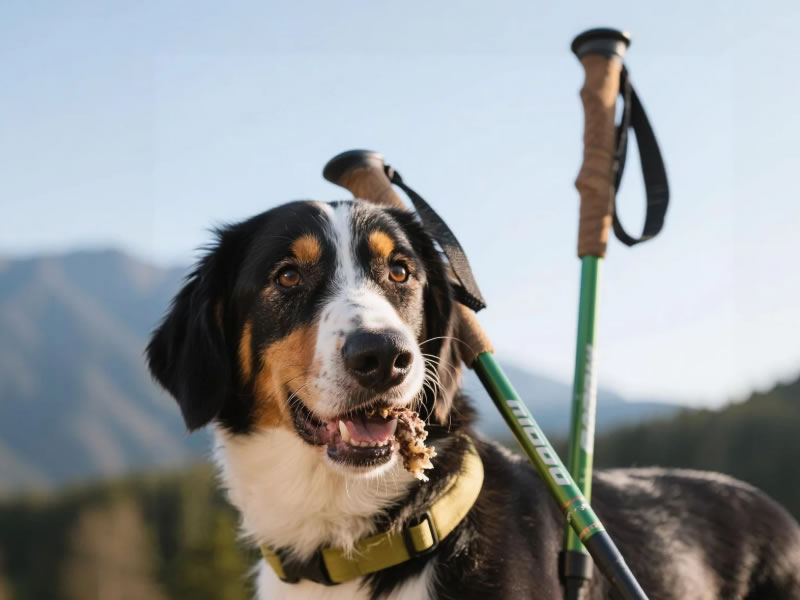
Recommended trekking pole purchase link: https://s.click.aliexpress.com/e/_c4M7OWaN
Why Do Dogs Chew Hiking Poles?
Understanding the motivation is the first step. Chewing can stem from:
- Teething (in puppies): A natural need to soothe gums.
- Boredom or Excess Energy: The rhythmic motion of poles can trigger playful, predatory instincts.
- Anxiety or Excitement: The new environment or the pace of hiking can heighten arousal.
- Attraction to Smell and Texture: Poles absorb sweat and salt from your hands, and materials like foam grips can feel satisfying to chew.
Choosing Durable Materials: The Foundation
When selecting poles with durability in mind, material choice is paramount.
- Aircraft-Grade Aluminum (7075 or 6061): This is your best choice. Aluminum poles, particularly those made from high-grade alloys, are exceptionally tough and resilient. While a determined dog can certainly dent or mar the surface, they are far less likely to cause a catastrophic, hike-ending failure compared to other materials. They bend under extreme pressure rather than snap.
- Avoid Standard Carbon Fiber: While excellent for vibration dampening and weight, standard carbon fiber is brittle. A strong, focused bite can crack, splinter, or completely break the shaft, creating sharp, dangerous fragments. It’s a risk to both your gear and your dog.
- Consider Hybrid or Reinforced Carbon: Some premium poles use a carbon fiber blend or internal reinforcement to improve impact resistance. While better, they remain a riskier and more expensive option if chewing is a known issue.
Key Design Features for Damage Mitigation
Beyond the shaft, look for these design elements:
- Minimal Exposed Foam: Foam grips—often found on the lower extension section—are irresistible to dogs and are easily destroyed. Opt for poles with full rubber or cork grips that extend further down the shaft, or models that keep foam to an absolute minimum.
- Replaceable Parts: This is a critical factor. Choose brands that offer easy-to-purchase replacement grips, baskets, and tips. If the grip gets damaged, you can swap it out instead of replacing the entire pole.
- Simple, Robust Locking Mechanisms: External lever locks are often more durable and easier to clean of slobber and dirt than complex internal twist locks, which can jam if grit gets inside.
Proactive Strategies: More Important Than Gear
The most durable pole is only part of the solution. Behavior management is essential.
- Training and Redirection: Consistently teach a “leave it” command. The moment your dog shows interest in the poles, redirect their attention to a dedicated, high-value chew toy carried just for this purpose.
- Pole Management: When not actively using them, especially during breaks, collapse the poles and secure them inside or on your pack. Don’t leave them leaning against a tree as a temptation.
- Exercise and Mental Stimulation: A well-exercised dog is less likely to seek destructive outlets. Ensure your dog has had adequate physical and mental stimulation before and during the hike.
Conclusion: A Combined Approach
For the owner of a curious chewer, the most durable setup is aircraft-grade aluminum poles with full rubber grips and replaceable components, paired with consistent training and vigilant gear management. Brands known for robust construction, such as Black Diamond, LEKI, and Komperdell, offer suitable models within their aluminum ranges. Ultimately, while you can arm yourself with more resilient equipment, investing time in training your dog to ignore the poles is the only truly durable, long-term solution for harmonious hikes together.




