




What Are the Benefits of Using Hiking Poles?
For many, the image of a hiker striding along a trail with a pair of poles might seem like overkill or specialized gear reserved for hardcore mountaineers. However, trekking poles have transitioned from a niche accessory to a mainstream tool embraced by casual walkers and seasoned adventurers alike. Their growing popularity is well-founded, backed by biomechanics and the practical experience of countless outdoor enthusiasts. So, what exactly are the concrete benefits of incorporating hiking poles into your adventures?
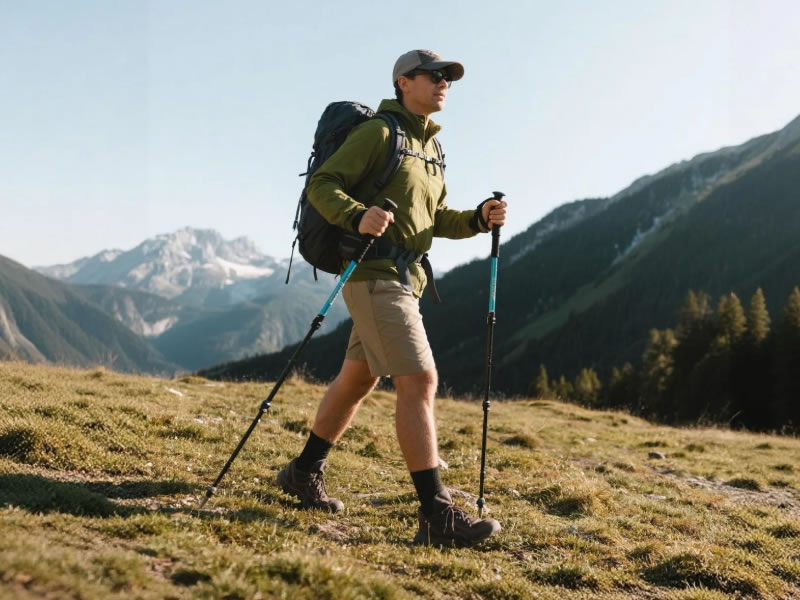
Recommended trekking pole purchase link: https://s.click.aliexpress.com/e/_c4M7OWaN
The advantages are multifaceted, impacting your safety, endurance, biomechanics, and overall hiking enjoyment.
1. Enhanced Stability and Safety
This is the most immediate and noticeable benefit. Hiking poles transform your two-legged stance into a stable, four-point contact system with the ground. This provides significant balance on unstable terrain like loose scree, slippery roots, muddy paths, or river crossings. The extra points of contact help prevent slips, trips, and falls, which is crucial when carrying a heavy backpack. On steep descents, poles act as reliable brakes, controlling your speed and reducing the jarring impact on your lower body. When ascending, they allow you to "pull" yourself upward, engaging your upper body muscles.
2. Joint Protection and Reduced Impact
Perhaps the most celebrated benefit is the dramatic reduction in stress on your knees, hips, and ankles. Studies, including one published in the Journal of Sports Sciences, have shown that using trekking poles can reduce the compressive forces on your knees by up to 25%. During descents, your poles absorb a substantial amount of shock that would otherwise travel through your legs and spine. This makes a tremendous difference in long-term joint health, helping to prevent pain and overuse injuries. For hikers with existing knee issues or those carrying heavy loads, poles are not just beneficial—they can be essential.
3. Improved Power and Endurance
Hiking poles engage the muscles of your arms, shoulders, back, and core, distributing the physical workload more evenly across your body. This full-body engagement means your leg muscles don't have to work in isolation. By leveraging your upper body, you can propel yourself forward, especially on inclines. This efficient transfer of energy makes your stride more powerful and can help you maintain a steady pace for longer periods, effectively boosting your endurance and reducing overall fatigue.
4. Versatile Trail Tool
Beyond walking aids, hiking poles serve multiple practical purposes. They are excellent for probing the depth of puddles or the stability of muddy ground ahead. You can use them to clear spiderwebs or light vegetation from the trail. In an emergency, they can be part of a makeshift splint or shelter. Some models even integrate with a camera for use as a monopod. Furthermore, when facing wildlife like curious dogs or, in rare cases, snakes, a pole can provide a helpful measure of space and deterrence.
5. Better Posture and Rhythm
Poles encourage a more upright posture, opening your chest and improving breathing capacity. They also help establish a natural, rhythmic cadence—right pole with left foot, left pole with right foot—which makes hiking feel more fluid and efficient. This rhythm can be meditative and helps you find a sustainable pace, conserving energy over long distances.
Choosing and Using Poles Correctly
To fully reap these benefits, proper use is key. Adjust the pole length so your elbow forms a 90-degree angle when the tip is on the ground beside you. Shorten them for uphill, lengthen for downhill. Always use the wrist straps correctly (threading your hand up from below) to allow efficient power transfer without gripping too tightly. Consider cork handles for better moisture management and carbide tips for superior grip on most surfaces, with rubber tip covers available for use on pavement.
In conclusion, hiking poles are far from a gimmick. They are a powerful investment in your safety, joint health, and hiking performance. By providing stability, reducing impact, increasing endurance, and offering practical utility, they empower you to hike stronger, longer, and with greater confidence. Whether you're embarking on a gentle day hike or a multi-day backpacking trip, a pair of trekking poles might just become your most trusted companions on the trail.




