




How to Clean and Maintain Hiking Poles?
Your trekking poles are durable workhorses, built to withstand mud, rocks, and streams. Yet, like any precision tool, they require regular care to perform reliably and last for thousands of miles. Neglecting simple maintenance can lead to frozen locks, gritty adjustments, premature wear, and even failure on the trail. This guide provides a complete, step-by-step routine to clean and maintain your hiking poles, ensuring they remain safe and dependable companions for every adventure.
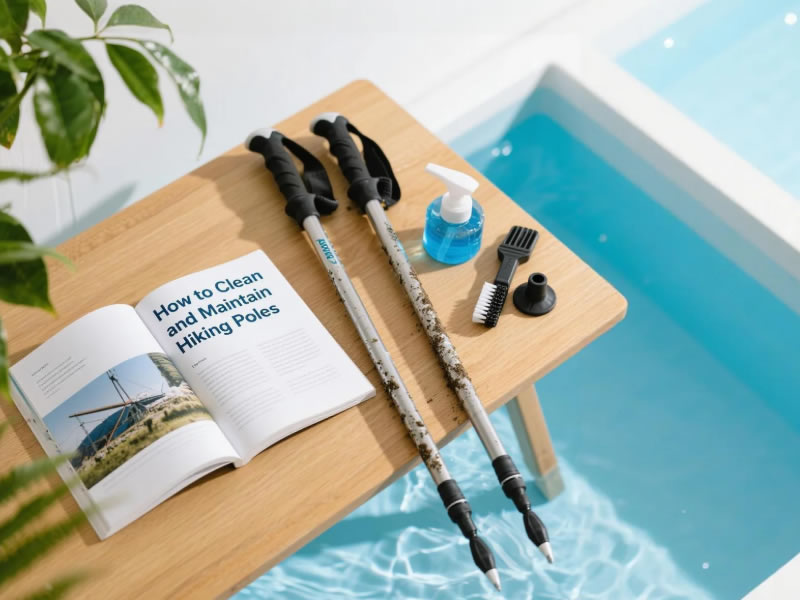
Recommended trekking pole purchase link: https://s.click.aliexpress.com/e/_c4M7OWaN
The Importance of Regular Maintenance
Dirt, sand, and salt are the primary enemies of your poles. Grit trapped inside locking mechanisms can grind down components and prevent a secure seal. Moisture left in threads or under grips can cause corrosion, especially in aluminum shafts. A simple, consistent cleaning routine prevents these issues, saving you money and enhancing safety.
Routine Post-Hike Cleaning (5-Minute Process)
After every hike, especially in wet or muddy conditions, perform this quick clean:
- Wipe Down: Use a damp cloth to wipe all dirt and mud from the pole shafts, grips, and baskets. Pay special attention to the locking mechanisms.
- Extend and Retract: Fully extend each pole section and retract it several times with the locks disengaged. This helps expel any grit or moisture from inside the shaft.
- Air Dry: Leave the poles fully extended or loosely collapsed in a dry, well-ventilated area—never stored tightly in a bag while damp.
Periodic Deep Cleaning & Lubrication
Every few months or after a particularly grueling trip, give your poles more detailed attention.
1. Disassemble and Clean:
- Remove Baskets and Tips: Unscrew the tips and baskets. Soak them in warm, soapy water and scrub with a small brush to remove embedded debris.
- Clean the Shafts: Wash the lower shafts with mild soap and water. For stubborn grime on grips, use a soft brush. Crucially, avoid immersing the upper section with the locking mechanism in water.
- Flush the Locks: For lever locks, use a soft brush or a blast of compressed air to remove dirt from the moving parts and latch. For twist locks, carefully unscrew the locking collar if possible (consult your manual) to clean interior threads.
2. Lubricate for Smooth Operation:
- Locking Mechanisms: Apply a tiny drop of dry silicone lubricant or a Teflon-based bike chain lube to the moving parts of lever locks and the threads of twist locks. Wipe away any excess. Never use WD-40 or wet oils, as they attract more dirt and can damage plastics.
- Shaft Extensions: Lightly wipe the male sections of each shaft with the same dry lubricant to ensure smooth extension and retraction.
3. Inspect for Wear:
- Tips: Check the tungsten carbide tips. Are they worn smooth or rounded? Replace them if they no longer provide secure traction.
- Baskets and Straps: Look for cracks in baskets and fraying on straps. Replace as needed.
- Shafts: Run your hand along the shafts to feel for deep scratches or, on carbon models, any cracks or "soft" spots that indicate internal damage.
Special Considerations for Different Components
- Cork Grips: Simply wipe clean. Avoid harsh chemicals that can dry out the natural cork.
- Foam Grips: These can tear. Clean gently with a damp cloth; deep stains may be permanent.
- Internal Shock Absorbers: If your poles have internal springs, follow the manufacturer's instructions. Generally, avoid forcing water into the system.
Proper Storage
Store your poles fully extended or loosely collapsed in a cool, dry place. Storing them tightly collapsed for long periods can weaken internal cords in folding poles or put constant pressure on locks. Avoid leaving them in a hot car, as extreme heat can affect adhesives and plastics.
Troubleshooting Common Issues
- Sticky or Slipping Locks: This is almost always due to dirt. Perform a deep clean and lubrication. For twist locks, ensure the internal expander is not cracked.
- Frozen Sections: If a pole section is stuck, apply gentle heat with a hairdryer to expand the outer section, then carefully twist. Never use excessive force on carbon fiber.
- Rattling or Loose Feel: Check that all locking mechanisms are fully engaged and that tips/baskets are tightly screwed on. Inspect for shaft damage.
Conclusion: A Small Investment for Long-Term Reliability
A few minutes of simple care exponentially extends the life and performance of your hiking poles. This routine ensures that when you plant your pole on a steep, rocky descent, the lock will hold securely, the tip will grip firmly, and the shaft will bear your weight without question. By integrating these cleaning and maintenance steps into your post-adventure ritual, you protect your investment and, more importantly, your safety on the trail. Well-maintained poles are not just gear; they are trusted partners ready for the next journey.




