




Hiking Poles with Shock Absorption: A Deep Dive into Trail Dampening Technology
For many hikers, the repetitive impact of planting a pole on rocky or hard-packed trails translates into a dull, fatiguing vibration that travels up the arms to the shoulders and neck. To combat this, a specialized category of trekking poles has emerged: those with integrated shock absorption systems. But are these engineered poles a worthwhile innovation or an unnecessary complication? This guide explores the mechanics, benefits, and considerations of shock-absorbing hiking poles to help you decide if they belong on your next adventure.
Recommended trekking pole purchase link: https://s.click.aliexpress.com/e/_c4M7OWaN
How Do Shock-Absorbing Poles Work?
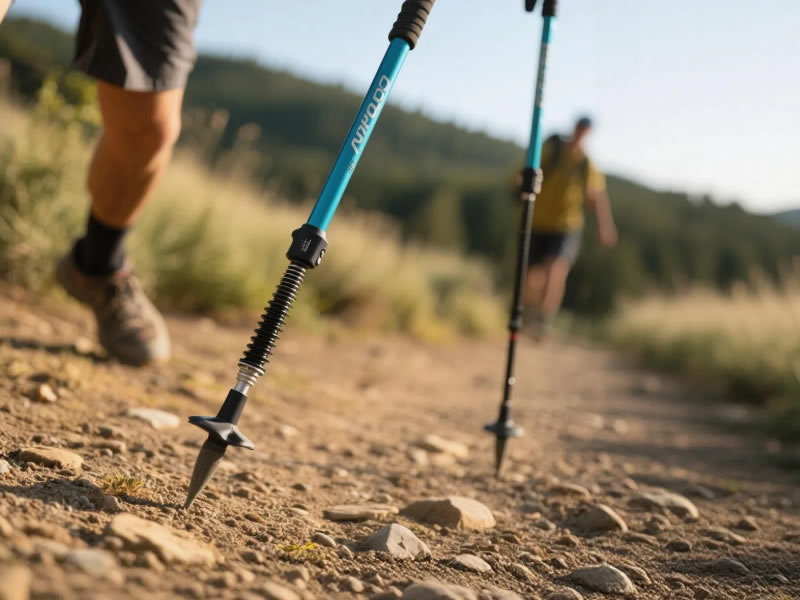
Unlike standard rigid poles, these models incorporate a mechanical dampening system—typically a spring, elastomer, or telescoping cartridge—within the upper shaft or grip section. This system is usually engaged or disengaged with a simple switch or button.
- On the Downstroke (Planting the Pole): When you plant the pole and apply weight, the mechanism compresses, absorbing a portion of the impact energy that would otherwise be transferred to your body.
- On the Upstroke (Swinging Forward): The mechanism re-extends, ready for the next plant. This creates a subtle "give" that cushions the contact.
Leading brands have their own proprietary technologies, such as Leki's Super Anti-Shock System and Black Diamond's FlickLock Shock models.
Key Benefits: Who Are They For?
The primary advantage is reduced muscle fatigue and joint strain in the upper body. This makes them particularly valuable for:
- Hikers with Joint Sensitivities: Individuals with arthritis, tendonitis, or previous injuries in the wrists, elbows, or shoulders can experience significantly more comfort, especially during long descents where impact forces are highest.
- Long-Distance and Thru-Hikers: Minimizing repetitive stress over thousands of pole plants can help prevent overuse injuries and preserve energy.
- Those on Consistently Hard or Rocky Terrain: If your typical trails are packed earth, rock slabs, or paved connectors, the dampening effect is most noticeable.
- Hikers Carrying Heavy Loads: A heavier pack increases the force of each pole plant; shock absorption helps mitigate this added impact.
Important Considerations and Potential Drawbacks
While beneficial for many, shock-absorbing poles are not a universal solution. Consider these points:
- The "Bounce" Factor: Some users dislike the slight rebound or soft feeling at the end of the plant, arguing it reduces the sense of a solid, pushing-off point for propulsion, particularly on uphill sections.
- Added Weight and Complexity: The internal mechanism adds a small amount of weight (usually 1-2 ounces per pole) and introduces more potential mechanical parts that could fail, though modern designs are highly robust.
- Not a Substitute for Technique: They do not replace the fundamental benefit of load transfer or proper pole use. Their role is to enhance comfort after core technique is mastered.
- Variable Utility: On soft terrain like dirt, sand, or snow, the natural ground provides its own cushion, making the shock absorber less perceptible and potentially unnecessary.
Top Recommendations and Features to Look For
When shopping for shock-absorbing poles, prioritize:
- A Reliable On/Off Switch: Ensure you can easily lock the mechanism out for climbs or when you prefer a rigid pole.
- Trusted Locking Mechanism: The pole's adjustability should still be governed by a secure external lever lock (e.g., FlickLock, SpeedLock).
- Reputable Brands:Leki: The industry leader in shock absorption with their refined, adjustable Anti-Shock systems.Black Diamond: Offers reliable FlickLock Shock poles known for their durability in mountain environments.Komperdell: Features effective dampening systems in both their Carbon and Titanium series.
The Verdict: A Niche Tool with Clear Benefits
Shock-absorbing hiking poles are not an essential first purchase for a new hiker. Initially, focus on learning proper technique with a standard, reliable pair of adjustable poles.
However, for the specific use case of a hiker with joint concerns or one who logs high mileage on unforgiving terrain, they represent a meaningful investment in long-term comfort and injury prevention. They are a refinement tool, not a foundational one.
Final Advice: If possible, test a pair on a local trail before buying. Feel the mechanism in action to see if the cushioned plant is a welcome relief or an unsettling bounce. For the right user, this technology can transform a jarring, fatiguing descent into a noticeably smoother and more enjoyable experience, proving that sometimes, a little give is exactly what you need.




