




Do Walking Poles Come with Rubber Tips? The Complete Guide to Tip Protectors
If you've ever walked into a gear shop or browsed online listings for walking poles, you may have noticed a small but important accessory often pictured alongside the poles: rubber tip protectors. The question "Do walking poles come with rubber tips?" is more nuanced than it appears. The answer depends on the type of poles you buy, the brand, and the intended use. This guide provides a comprehensive explanation of what to expect, why rubber tips matter, and how to ensure you have the right tips for your walking surfaces.
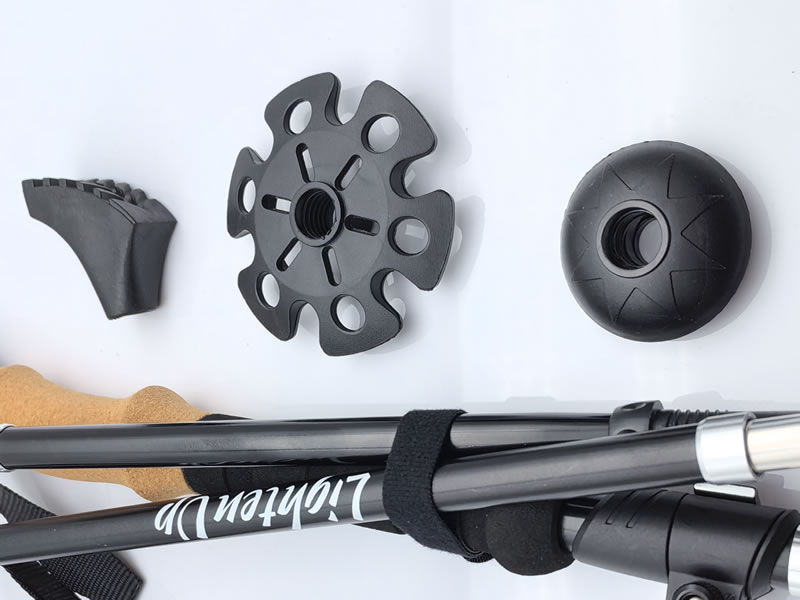
Recommended trekking pole purchase link: https://s.click.aliexpress.com/e/_c4M7OWaN
The Short Answer: Yes, Usually—But Not Always
Most quality walking poles include rubber tip protectors in the box. These are designed to slip over the sharp carbide tips when you are walking on hard, smooth, or delicate surfaces. However:
- Budget poles may omit them to reduce cost.
- Specialized poles (e.g., Nordic walking poles) often include dedicated rubber feet rather than slip‑on protectors.
- Some brands sell them as separate accessories.
Always check the product description before purchasing. If rubber tips are important for your intended use (pavement, boardwalks, indoor walking), verify they are included or budget to buy them separately.
Why Rubber Tips Are Essential
Carbide tips—the standard for most walking poles—are designed for traction on dirt, rock, and ice. They are sharp, durable, and aggressive. However, they are entirely unsuitable for certain surfaces:
| Surface | Why Carbide Tips Are Problematic | Why Rubber Tips Are Better |
|---|---|---|
| Pavement / Asphalt | Loud, jarring "clack"; can skid; damages tip. | Silent, smooth, better grip. |
| Boardwalks / Wooden bridges | Marks and damages wood; very loud. | Protects wood; silent. |
| Indoor floors | Scratches and damages flooring. | Non‑marking; safe for all floors. |
| Wet / smooth rock | Can skid on slick surfaces. | Rubber provides better traction. |
| Historic / archaeological sites | Prohibited to protect delicate surfaces. | Required for access. |
In short: Rubber tips are not an optional luxury—they are essential for responsible walking on many surfaces.
Types of Rubber Tips
1. Slip‑On Tip Protectors (Most Common)
These are simple rubber cups that stretch over the existing carbide tip. They are:
- Universal (fit most standard tips)
- Inexpensive ($5–$10 per pair)
- Easy to remove when you hit the trail
- Best for: Hikers who switch frequently between pavement and trails.
What to look for: Thick, durable rubber with a textured tread pattern. Cheap, thin protectors wear through quickly.
2. Dedicated Rubber "Feet" (Nordic Walking Poles)
Nordic walking poles often come with permanent rubber feet that screw onto the tip. These are:
- More substantial than slip‑on protectors
- Often angled to match the Nordic walking technique
- Not interchangeable with standard carbide tips (though some have removable carbide spikes underneath)
- Best for: Dedicated fitness walkers on pavement.
3. Combination Tips
Some poles feature a carbide tip with a removable rubber boot. You twist or pull off the rubber to expose the carbide for trail use. This is the most versatile system.
What to Expect When You Buy Poles
| Pole Category | Rubber Tips Typically Included? | Notes |
|---|---|---|
| Premium hiking poles (Black Diamond, LEKI, Komperdell) | Yes | Usually include basic slip‑on protectors. |
| Budget hiking poles (Cascade Mountain Tech, Montem, TrailBuddy) | Often yes | Many include them; check product details. |
| Nordic walking poles | Yes (dedicated feet) | Come with permanent rubber feet; may have removable carbide tips underneath. |
| Ultralight folding poles | Sometimes | Some include; others sell separately. |
| Trekking poles sold as "pairs only" | Maybe | Always verify before purchase. |
| Used poles | Unlikely | Previous owner may have lost them. |
If Your Poles Don't Come with Rubber Tips
Don't panic. Rubber tip protectors are widely available and inexpensive. You can purchase them:
- At any outdoor retailer (REI, MEC, local gear shops)
- Online (Amazon, manufacturer websites, eBay)
- In multipacks (useful for spares, as they wear out)
Price range: $5–$15 per pair for basic models; premium versions may cost more.
Compatibility: Most slip‑on protectors are designed to fit standard 16mm diameter carbide tips. If your poles have unusually large or small tips, check specifications.
How to Use Rubber Tips
Installation
- Ensure the carbide tip is clean and dry.
- Stretch the rubber protector over the tip.
- Push firmly until it seats fully against the shoulder of the tip.
- Give a gentle tug to ensure it's secure.
Removal
- Grip the rubber firmly near the base.
- Twist and pull simultaneously.
- If stubborn, use a twisting motion to break the suction.
On the Trail
- Remove rubber tips for dirt trails – they reduce traction and can come off in mud.
- Use rubber tips for pavement, boardwalks, and town walking – protect your tips and the surfaces.
- Carry a spare set – they can be lost or worn out.
Maintenance and Lifespan
Rubber tips are consumables. Expect to replace them periodically:
- With regular pavement walking: 6–12 months
- With occasional use: 1–2 years
- If they become worn, cracked, or lose traction: Replace immediately.
Signs of wear:
- Tread pattern worn smooth
- Rubber thinning or cracking
- Protector no longer stays securely on tip
- Reduced grip on wet surfaces
Rubber Tips and Trail Etiquette
Using rubber tips when required is not just about protecting your equipment—it is about respecting the environment and other users.
- National parks often require rubber tips on paved trails and boardwalks.
- Sensitive archaeological sites may prohibit carbide tips entirely.
- Indoor walking tracks require non‑marking tips.
- Noise reduction in quiet natural areas is courteous to wildlife and other hikers.
Conclusion: A Small Accessory with Big Importance
Do walking poles come with rubber tips? In most cases, yes—quality poles include a basic set. But even if yours do not, the investment is minimal and the benefits are substantial. Rubber tips:
- Protect your investment (carbide tips last longer when not abused on pavement).
- Protect the surfaces you walk on.
- Improve your walking experience on hard surfaces.
- Ensure compliance with park regulations.
- Are easy to replace when worn.
Before your next walk, check your poles. If rubber tips are missing, add them to your shopping list. They are one of the smallest, cheapest, and most important accessories you can own.




