




How to Fix a Broken Walking Pole Lock? A Complete Guide to Restoring Reliable Support
A slipping or broken lock is one of the most frustrating—and potentially dangerous—issues you can encounter with walking poles. A lock that fails under load can cause a sudden collapse, leading to a fall and injury. Fortunately, many lock issues are repairable with basic tools and a little know-how. This comprehensive guide covers the most common lock types—external lever locks (FlickLocks, Speed Locks) and twist locks—and provides step‑by‑step instructions for diagnosing and fixing the problem.
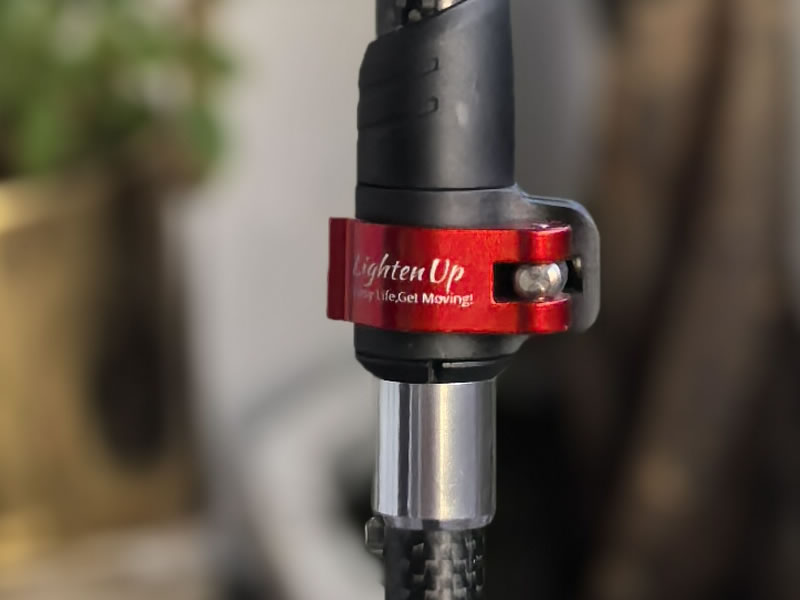
Recommended trekking pole purchase link: https://s.click.aliexpress.com/e/_c4M7OWaN
Safety First: When to Stop Using a Pole
If a lock slips under load, do not use the pole until it is repaired. A collapsing pole on a descent or uneven terrain can cause a serious fall. If you cannot fix the lock, retire the pole or replace the section.
Part I: Identify Your Lock Type
| Lock Type | Description | Common Brands |
|---|---|---|
| External Lever Lock | A cam lever on the outside of the pole; open to adjust, close to lock. | Black Diamond (FlickLock), LEKI (Speed Lock), Komperdell (Power Lock), Cascade Mountain Tech |
| Twist Lock | Internal expanding collar; twist sections to tighten. | Many budget poles, some older models |
Part II: Fixing External Lever Locks
Problem 1: The Lever Closes Too Easily, and the Pole Slips
This is the most common issue and usually indicates that the tension bolt has loosened over time.
Tools Needed: Hex key (usually 3mm or 4mm – often supplied with the pole)
Step‑by‑Step:
- Open the lever fully to expose the mechanism.
- Locate the tension bolt. It's typically a small hex bolt on the side of the cam or at the pivot point.
- Turn the bolt clockwise using the hex key. Make small adjustments (quarter turns).
- Close the lever and test the clamping force. It should require firm pressure to close and hold securely.
- Repeat until the lock is secure. Do not overtighten – the lever should still close completely.
Pro tip: Mark the bolt position with a permanent marker before adjusting so you can return to the original setting if needed.
Problem 2: The Lever Won't Stay Closed
If the lever pops open, the cam mechanism may be worn or the tension bolt may be too tight.
- Try loosening the tension bolt slightly (counter‑clockwise) and test.
- If that doesn't work, the cam may be damaged and require replacement.
Problem 3: The Lever Is Broken or Bent
If the lever itself is physically broken or bent, you may need to replace the entire lock mechanism.
- Contact the manufacturer. Many brands (Black Diamond, LEKI) sell replacement lock assemblies.
- Remove the old lock by unscrewing the retaining bolt (if accessible) or sliding it off the pole (varies by model).
- Install the new lock following the manufacturer's instructions.
Temporary field fix (if lever is bent): You may be able to gently bend it back with pliers, but this is a temporary solution. Replace the lock as soon as possible.
Problem 4: Grit or Dirt in the Mechanism
Sometimes the lock simply needs cleaning.
- Open the lever and use a small brush or compressed air to remove dirt from the cam and clamping surfaces.
- Rinse with fresh water if necessary (dry thoroughly afterward).
- Apply a tiny drop of light oil to the pivot point only. Do not oil the clamping surfaces.
Part III: Fixing Twist Locks
Problem 1: The Pole Slips / Won't Tighten
This is usually caused by dirty threads, a worn expander, or insufficient tightening.
Tools Needed: None (maybe a cloth for grip)
Step‑by‑Step:
- Unscrew the two sections completely and separate them.
- Inspect the internal mechanism. You'll see a plastic or metal expander (wedge) inside the lower section, and threads on the upper section.
- Clean both components thoroughly. Use a cloth and rubbing alcohol to remove any grease, dirt, or old lubricant. The expander and threads must be clean and dry.
- Reassemble and tighten firmly. Twist locks require significantly more torque than you might expect. Tighten until the pole feels solid.
- Test by applying weight. If it still slips, the expander may be worn.
Problem 2: The Expander Is Worn or Cracked
If cleaning doesn't work, the internal expander may be worn out.
- Contact the manufacturer for a replacement expander. Some brands sell them.
- Replace the entire section if the expander is not user‑replaceable.
Problem 3: The Lock Is Frozen / Won't Turn
If the twist lock is seized, usually due to corrosion or grit:
- Apply penetrating oil (WD‑40) to the joint and let it soak for 10–15 minutes.
- Gently tap the joint with a soft mallet to break the seal.
- Attempt to turn with steady pressure. Do not use excessive force – you could twist the pole.
- Once free, disassemble, clean, and lubricate with dry silicone (not oil) before reassembling.
Part IV: When to Replace the Pole
Sometimes repair is not possible or cost‑effective. Consider replacement if:
- The lock mechanism is irreparably broken and replacement parts are unavailable.
- The pole shaft is cracked or severely bent. A damaged shaft is a safety hazard.
- Repair parts cost more than a new pole (especially for budget poles).
Part V: Preventing Future Lock Problems
| Prevention | Why It Matters |
|---|---|
| Rinse after muddy/salty hikes | Grit wears down mechanisms; salt causes corrosion. |
| Dry thoroughly before storing | Moisture leads to freezing and corrosion. |
| Tighten lever locks periodically | Prevents gradual loosening. |
| Keep twist lock threads clean and dry | Prevents slipping and seizing. |
| Lubricate pivot points only | Oil on clamping surfaces causes slipping. |
| Carry a spare hex key | For on‑trail lever lock adjustments. |
Part VI: Quick‑Reference Troubleshooting
| Symptom | Likely Cause | Solution |
|---|---|---|
| Lever lock slips under load | Tension bolt loose | Tighten with hex key |
| Lever lock won't stay closed | Tension too tight; worn cam | Loosen slightly; replace if worn |
| Lever lock lever broken | Physical damage | Replace lock mechanism |
| Twist lock slips | Dirty threads; worn expander | Clean thoroughly; replace expander |
| Twist lock frozen | Corrosion; grit | Penetrating oil; careful persuasion |
| Lock works, but pole rattles | Lock not fully engaged | Ensure lock is completely closed |
Part VII: Conclusion – Don't Tolerate a Broken Lock
A slipping or broken lock is not just an annoyance—it's a safety hazard. Fortunately, most issues are easily fixable with basic tools and a few minutes of attention.
- For external lever locks: Check and adjust the tension bolt first. Clean grit from the mechanism. Replace the lock if broken.
- For twist locks: Clean threads and expander thoroughly. Replace worn expanders. Tighten firmly.
If you cannot fix the lock, do not use the pole. Your safety is worth more than the cost of a replacement.
Regular maintenance—cleaning, drying, and periodic tightening—will prevent most lock problems before they start. A few minutes of care after each hike keeps your poles reliable for years.




