




My Walking Poles Are Squeaking – How to Fix? A Complete Guide to Silencing the Squeak
That persistent squeak with every step can turn a peaceful walk into an annoying ordeal. It might seem minor, but a squeaking pole is trying to tell you something. The sound is usually caused by friction between moving parts, and fixing it is often simple. This guide covers the common causes of squeaking and provides step‑by‑step solutions to restore peace to your stride.
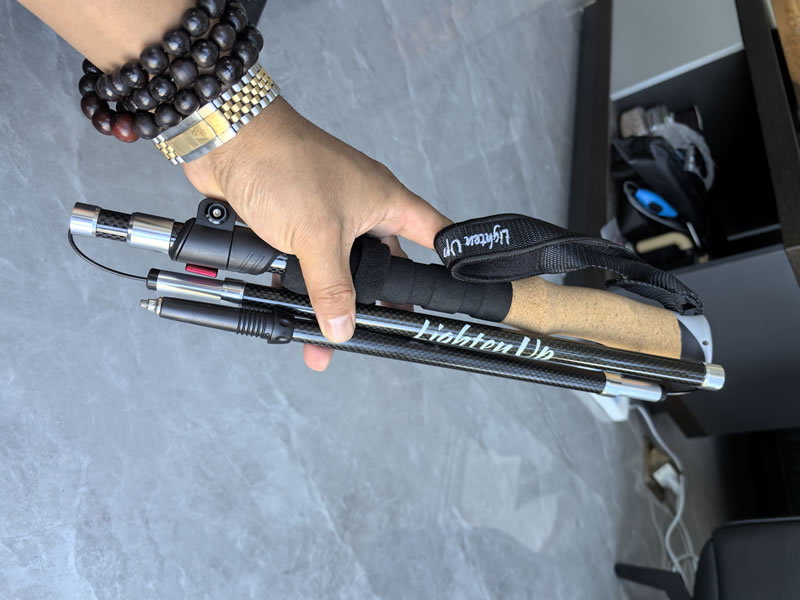
Recommended trekking pole purchase link: https://s.click.aliexpress.com/e/_c4M7OWaN
Why Do Walking Poles Squeak?
| Cause | Description |
|---|---|
| Friction between sections | The most common cause. The inner and outer pole sections rub together, especially if they are dry or dirty. |
| Dry locking mechanism | Lever locks or twist locks can squeak at their pivot points. |
| Loose components | A slightly loose basket, tip, or strap buckle can vibrate and squeak. |
| Dirt or grit in joints | Abrasive particles between moving parts create noise and wear. |
| Damaged components | A cracked ferrule or bent section can cause unusual noises. |
Part I: The Simple Fix – Clean and Lubricate
In most cases, a thorough cleaning and lubrication will eliminate the squeak.
What You'll Need
- Mild soap and water
- Soft cloth
- Dry silicone lubricant (spray or wipe) – do not use oil or grease
Step‑by‑Step
- Fully extend all sections of your poles.
- Wipe down the shafts with a damp cloth to remove surface dirt.
- Pay special attention to the joints – the areas where sections overlap. Use a cloth or small brush to clean any visible grit.
- Apply dry silicone lubricant to a cloth, then wipe it onto the lower portion of each section (the part that slides inside the section above).
- Work the sections in and out a few times to distribute the lubricant.
- Wipe off any excess lubricant with a clean cloth. Excess lubricant attracts dirt.
- Test by extending and collapsing the poles. The squeak should be gone.
Why dry silicone? It lubricates without leaving a sticky residue that attracts dirt. Oil or grease will make the problem worse over time.
Part II: Check the Locking Mechanisms
If the squeak persists after cleaning the shafts, the locks themselves may be the source.
For External Lever Locks (FlickLocks, Speed Locks)
- Open the lever fully.
- Apply a tiny drop of light oil (sewing machine oil) to the pivot point of the lever.
- Work the lever back and forth a few times to distribute the oil.
- Wipe off any excess with a cloth.
- Test by closing the lever and walking with the pole.
Important: Do not get oil on the clamping surfaces – this can cause the lock to slip.
For Twist Locks
- Unscrew the sections and separate them.
- Inspect the threads and expander for dirt or damage.
- Clean thoroughly with a cloth and rubbing alcohol.
- Apply a very thin film of dry silicone to the threads (optional – many work better dry).
- Reassemble and tighten firmly.
Part III: Check for Loose Components
Sometimes the squeak isn't from the shaft at all, but from a loose accessory.
Baskets
- Ensure baskets are fully seated in their grooves.
- If they rattle, remove and reattach them firmly.
- If a basket is cracked, replace it.
Tips
- Check that carbide tips are screwed in tightly. Use pliers (with a cloth to protect the tip) to snug them if loose.
Straps and Buckles
- Strap adjusters can vibrate against the pole. Tighten straps so buckles are held snugly against the shaft.
- If a buckle is clicking, a small piece of adhesive foam or tape can dampen it.
Part IV: Check for Damage
If cleaning and lubricating don't solve the problem, inspect the poles for damage.
- Look for hairline cracks in carbon fiber poles. A crack can cause noise and is a safety hazard. Do not use a cracked carbon pole.
- Check for bent sections in aluminum poles. A slight bend may cause rubbing. Severe bends compromise strength.
- Inspect ferrules (the ends of sections) for damage or deformation.
Part V: When to Seek Professional Help
If you've tried all the above and the squeak persists, consider:
- Contacting the manufacturer. Some issues may be covered by warranty.
- Taking the poles to a reputable outdoor retailer. They may have experience with your specific model.
- Replacing the poles if they are old or damaged beyond repair.
Part VI: Prevention – Keep the Squeak Away
| Prevention | Why It Helps |
|---|---|
| Rinse after muddy hikes | Prevents grit from accumulating in joints. |
| Dry thoroughly before storing | Moisture can cause corrosion and squeaks. |
| Lubricate with dry silicone periodically | Keeps sections sliding smoothly. |
| Check and tighten locks regularly | Prevents looseness that can lead to noise. |
| Store poles extended or loosely collapsed | Reduces stress on joints. |
Part VII: Quick‑Reference Troubleshooting
| Symptom | Likely Cause | Solution |
|---|---|---|
| Squeak when planting/pushing | Dry friction between sections | Clean and lubricate with dry silicone |
| Squeak when adjusting length | Grit in joints | Clean thoroughly; lubricate |
| Clicking sound from lever | Dry pivot point | Tiny drop of oil on lever pivot |
| Rattle from basket | Loose basket | Reseat or replace basket |
| Rattle from tip | Loose carbide tip | Tighten with pliers |
| Squeak persists after cleaning | Possible damage | Inspect for cracks/bends |
Conclusion: A Quiet Pole Is a Happy Pole
A squeaking pole is not just annoying—it's a sign that your equipment needs attention. Fortunately, the fix is usually simple and takes only a few minutes. Regular cleaning and lubrication will not only silence the squeak but also extend the life of your poles.
Remember:
- Use dry silicone lubricant – never oil or grease.
- Clean before you lubricate.
- Check for loose components and damage.
- If in doubt, consult the manufacturer.
With a little care, your poles will serve you quietly and reliably for years.




