




How to Sharpen Walking Pole Tips: Complete Guide to Maintaining Peak Performance
Dull pole tips can turn a pleasant hike into a frustrating struggle. When your walking poles skid instead of bite, slip instead of grip, you lose stability and confidence on the trail. Learning how to sharpen walking pole tips properly restores their functionality and extends the life of your valuable gear. But here's the catch—many modern poles shouldn't be sharpened at all.
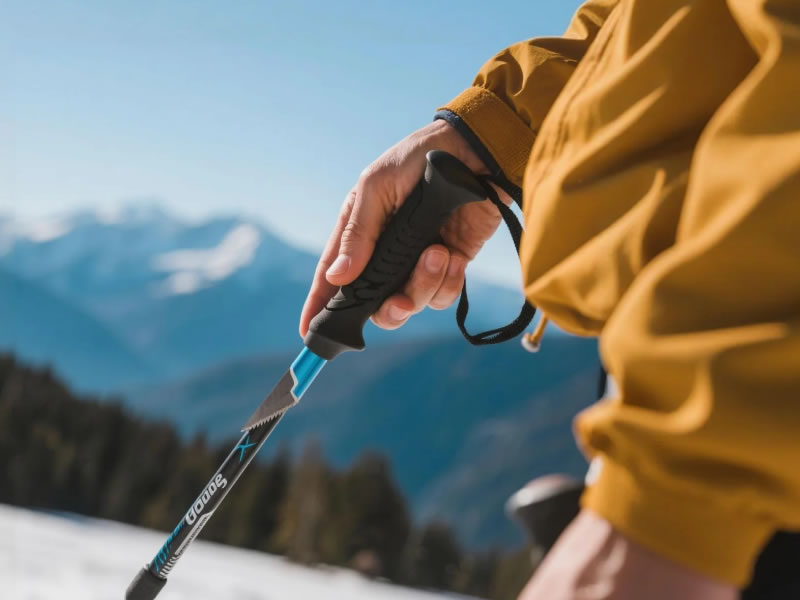
Recommended trekking pole purchase link: https://s.click.aliexpress.com/e/_c4M7OWaN
The Truth About Pole Tip Materials
Before grabbing a file, you must understand what your pole tips are made of. The material determines whether sharpening is possible, necessary, or actually damaging.
Carbide Tips: The "Do Not Sharpen" Reality
Most quality walking poles feature carbide tips. Carbide is an extremely hard compound—typically tungsten carbide—that ranks just below diamond on the hardness scale. This material offers exceptional durability and maintains sharpness for years.
Can you sharpen carbide tips? Technically yes, but practically no. Carbide is so hard that standard metal files glide across it without effect. Diamond abrasives can reshape carbide, but the process is difficult, time-consuming, and risks damaging the tip's structural integrity.
The better approach: When carbide tips wear down, replace them. Most quality poles feature replaceable tips that screw into the pole shaft. This costs less than specialized sharpening equipment and ensures proper geometry.
Steel Tips: Sharpenable but Rare
Some budget poles and specialized models use hardened steel tips. These can be sharpened effectively, though they won't hold an edge as long as carbide. If you own steel-tipped poles, learning how to sharpen walking pole tips becomes a useful skill.
Tungsten Carbide vs. Steel: Quick Comparison
| Feature | Tungsten Carbide | Hardened Steel |
|---|---|---|
| Hardness | Extremely high (8.5-9 Mohs) | Moderate (5-6 Mohs) |
| Sharpening difficulty | Very difficult | Easy with proper tools |
| Edge retention | Years | Months with heavy use |
| Replaceable | Usually | Sometimes |
| Cost | Higher | Lower |
When Sharpening Actually Makes Sense
Despite the prevalence of carbide tips, situations arise where sharpening helps:
Steel tip refresh: If your poles definitely have steel tips and they've developed burrs or dulled noticeably, sharpening restores performance.
Burr removal: Even carbide tips can develop tiny burrs along the edges. Light dressing removes these without significant material removal.
Specialty tips: Some technical poles for ice or mixed terrain use different materials that benefit from occasional sharpening.
Emergency field repair: If you're far from civilization and your tips are dangerously dull, improvised sharpening might beat slipping on every rock.
Tools for Sharpening Walking Pole Tips
If you've determined your tips are sharpenable, gather appropriate tools:
For Steel Tips
Fine metal file: A smooth-cut mill file works well for most steel tips. Avoid coarse files that remove too much material.
Diamond sharpening stone: Excellent for putting a fine edge on steel tips. Available in various grits from hardware stores.
Sharpening steel: The same tool used for kitchen knives can refresh steel pole tips.
Fine-grit sandpaper: Wrapped around a small block, 400-600 grit sandpaper can dress minor imperfections.
For Carbide Tips (If You Must)
Diamond file or stone: Only diamond abrasives effectively shape carbide. These are expensive and require careful technique.
Dremel with diamond bit: Power tools allow carbide shaping but generate heat that can damage tips. Use lowest speeds and constant water cooling.
Professional sharpening service: Some outdoor shops offer carbide tip refurbishing. This costs nearly as much as replacement tips but may extend life slightly.
Step-by-Step Sharpening Guide for Steel Tips
If you're working with steel tips, follow these steps for optimal results:
Step 1: Clean Thoroughly
Remove all dirt, mud, and debris from the tip area. A wire brush helps dislodge compacted material. Clean tips allow accurate assessment of the actual edge condition.
Step 2: Inspect the Damage
Examine the tip under good light. Look for:
- Flattened areas where the tip should be pointed
- Bent or rolled edges
- Chips or cracks
- Uneven wear patterns
Step 3: Secure the Pole
Clamp the pole shaft gently in a vise or brace it firmly against a workbench. The tip should be accessible and stable. Protect the shaft with soft jaws or cloth to prevent marring.
Step 4: Establish the Correct Angle
Original pole tips typically feature a conical or pyramidal shape with specific angles. Match these existing angles rather than creating a new geometry. Usually, a 30-40 degree inclusive angle works well for general terrain.
Step 5: File Carefully
Using your fine file, stroke away from your body along the existing bevel. Use long, smooth strokes rather than short choppy motions. Check progress frequently—you can't add material back.
For conical tips: Rotate the pole as you file to maintain even symmetry.
For pyramidal tips: File each facet separately, maintaining equal angles.
Step 6: Remove Burrs
After shaping, light strokes with a fine stone or 600-grit sandpaper remove any wire edges or burrs left by filing.
Step 7: Test the Edge
Gently press the tip into a piece of scrap wood or firm soil. It should bite immediately without slipping. If it skids, you need more work.
What About Carbide Tips?
Given that most readers asking "how to sharpen walking pole tips" actually own carbide-tipped poles, here's the practical advice:
Don't sharpen—replace. Carbide tips typically last 500-1000 miles of hiking. When they wear noticeably, replacement tips cost $10-20 per pair and screw in within minutes. This is cheaper, safer, and more effective than attempting sharpening.
Where to find replacements: Outdoor retailers, pole manufacturer websites, and Amazon stock universal and brand-specific tips. Bring your old tip or know your pole model for correct sizing.
Signs Your Tips Need Attention
Whether you sharpen or replace, watch for these indicators:
- Visible rounding of the tip point
- Difficulty penetrating hard-packed soil
- Skidding on smooth rock surfaces
- Asymmetrical wear (one side more worn)
- Burrs catching on clothing or gear
- Reduced stability on steep terrain
Extending Tip Life Between Sharpening
Preventive measures reduce how often you need to think about sharpening:
Use tip covers on pavement: Walking on concrete and asphalt rapidly dulls even carbide tips. Use rubber tip covers for road approaches.
Avoid prying: Don't use poles as levers to move rocks or logs—this stresses and chips tips.
Clean after use: Abrasive dirt trapped against tips accelerates wear. Rinse poles after muddy hikes.
Rotate poles: If you consistently plant one pole harder, swap sides occasionally for even wear.
When Replacement Beats Sharpening
Sometimes buying new tips makes more sense than sharpening:
- The tip is shorter than 1/4 inch
- Visible cracks or damage exist
- The attachment threads are stripped
- Sharpening would remove too much material
- Replacement tips cost less than your time
Special Considerations for Different Terrains
How you use your poles affects tip wear and sharpening needs:
Rocky terrain: Tips wear faster from constant impact. Inspect frequently and replace when noticeably rounded.
Sandy soil: Abrasive sand acts like sandpaper, gradually wearing tips. Rinse thoroughly after beach hikes.
Frozen ground: Ice and frozen soil are extremely abrasive. Consider dedicated winter tips with aggressive patterns.
Muddy conditions: Less abrasive, but tips can dull from striking hidden rocks.
Professional Sharpening Options
Some outdoor shops offer tip sharpening services, particularly for high-end poles. This typically involves:
- Assessment of current tip condition
- Diamond wheel grinding for carbide
- Precision angle maintenance
- Final polishing
Costs range from $15-30 per pair—comparable to replacement tips. Unless your poles use unusual non-replaceable tips, replacement usually wins.
Safety Considerations
Sharpening metal creates hazards:
- Wear eye protection against flying particles
- Work in well-ventilated areas
- Secure poles firmly to prevent slipping
- Wash hands after handling metal dust
- Dispose of metal filings properly
Maintaining the Entire Tip Assembly
While focusing on the tip point, don't neglect other components:
Check the attachment: Ensure tips screw in firmly without cross-threading.
Inspect the ferrule: The metal sleeve holding the tip should be crack-free.
Examine the shaft: The pole end around the tip should show no splitting or deformation.
Test the lock: With tip removed, ensure the locking mechanism functions smoothly.
Common Sharpening Mistakes to Avoid
Learning how to sharpen walking pole tips also means knowing what not to do:
Over-sharpening: Removing too much material shortens tip life dramatically.
Wrong angle: Creating too acute an angle makes tips fragile; too obtuse reduces penetration.
Heat buildup: Power tools can anneal (soften) steel tips, making them less durable.
Ignoring symmetry: Uneven sharpening causes poles to walk sideways on impact.
Forgetting the other end: While sharpening tips, check grips and straps for wear.
Seasonal Maintenance Schedule
Incorporate tip inspection into your regular gear maintenance:
Spring: Check for winter damage, replace if needed before hiking season
Summer: Mid-season inspection, especially after rocky hikes
Fall: Assess before hunting or leaf-peeping season
Winter: Consider dedicated snow tips or baskets
Final Recommendations
After considering all factors, here's the practical advice for most hikers:
If you have carbide tips: Don't sharpen them. When they wear out, spend $15 on replacement tips. It's faster, safer, and produces better results.
If you have steel tips: Learn to sharpen properly with fine files. Practice on old tips first. Maintain the original geometry.
If you're unsure: Check your pole documentation or manufacturer website. "Carbide" will usually appear in specifications if present.
If tips are damaged: Replace immediately. Cracked tips can fail catastrophically on trail.
Conclusion
Knowing how to sharpen walking pole tips is valuable knowledge, but understanding when not to sharpen matters more. For most modern poles with carbide inserts, replacement beats sharpening every time. For the minority with steel tips, careful filing with proper tools restores function effectively.
The bottom line: keep your tips in good condition through appropriate maintenance, replace them when worn, and enjoy the stability and confidence of poles that bite securely with every plant. Your knees, shoulders, and overall hiking experience will thank you for the attention to this small but critical component of your gear.




