




Best Walking Poles for People with Metal Hip Replacements: A Comprehensive Guide to Safe and Comfortable Walking
Undergoing hip replacement surgery is a life-changing event that can restore mobility and reduce pain. However, protecting your new joint is essential for long-term success. For individuals with metal hip replacements, walking offers excellent low-impact exercise, but the repetitive forces of each step can still stress the implant. Walking poles provide a solution by reducing joint load and improving stability. This guide explores how to choose the best poles for protecting your hip replacement and maximizing your walking comfort.
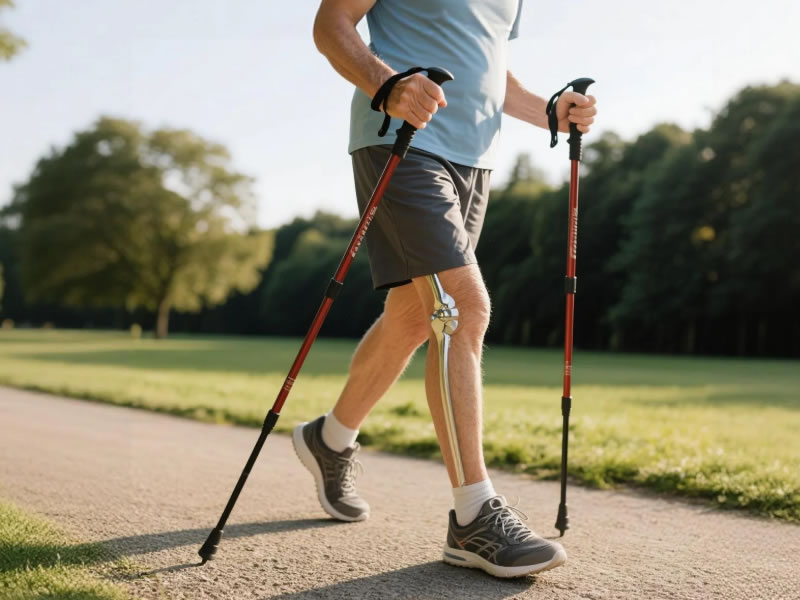
Recommended trekking pole purchase link: https://s.click.aliexpress.com/e/_c4M7OWaN
Why Walking Poles Are Essential After Hip Replacement
A metal hip replacement is designed to withstand decades of use, but it is not indestructible. Each heel strike sends a shock wave through the leg and into the hip joint. Over thousands of steps, these cumulative forces can contribute to implant wear or loosening. Walking poles offer several protective benefits:
Load Reduction: By transferring 20 to 30 percent of your body weight from your lower body to your arms, poles significantly reduce the force your hip replacement must absorb with every step. This decreased load means less stress on the implant-bone interface, potentially extending the life of your replacement.
Improved Gait Symmetry: Many people unconsciously limp after hip replacement, favoring the surgical side. This compensatory gait can cause secondary problems in the opposite hip, knees, and back. Poles encourage a more natural, symmetrical walking pattern by providing support and feedback.
Enhanced Stability: Reduced balance is common after joint replacement surgery due to altered proprioception and muscle weakness. Poles create a wider base of support, reducing fall risk—a critical consideration when a fall could damage your new joint.
Confidence Building: Fear of damaging the new hip can lead to reduced activity, which weakens supporting muscles. Poles provide reassurance that encourages consistent, protective walking.
Key Features for Hip Replacement Patients
When selecting walking poles, prioritize these specific features:
Shock Absorption: This is the most important feature for protecting a metal hip replacement. Poles with built-in shock absorption systems—typically springs or elastomers in the shaft or tip—cushion each step, reducing the jarring forces transmitted through the leg and into the hip joint. Look for models labeled "anti-shock" or with adjustable dampening.
Lightweight Construction: Heavy poles increase the energy cost of walking and may actually destabilize you. Carbon fiber poles are the lightest option, but high-quality aluminum also works well. The goal is poles that are easy to lift and plant repeatedly without fatigue.
Ergonomic Grips: Comfortable, contoured grips reduce hand fatigue and encourage proper technique. Cork or foam materials absorb sweat and provide secure traction without requiring a tight, straining grip. Some models feature grips that promote natural wrist alignment.
Secure Locking Mechanisms: If you choose adjustable poles, reliable locks are essential. Flick-lock or lever-lock systems are more secure than basic twist-locks, holding your chosen length firmly even under load.
Interchangeable Tips: The ability to switch between carbide tips for trails and wide rubber feet for pavement ensures optimal traction on any surface, further reducing fall risk.
Recommended Walking Poles
Black Diamond Trail Pro Shock
These poles feature a sophisticated shock absorption system with adjustable dampening, allowing you to fine-tune the cushioning to your preference. The foam grips extend below the handle for versatile hand positioning, and the flick-lock adjustments are rock-solid. Interchangeable tips accommodate various surfaces. This is an excellent all-around choice for hip replacement patients.
LEKI Wanderfreund
Designed specifically for Nordic walking, the Wanderfreund offers a unique rolling tip that maintains continuous ground contact, mimicking a smooth, natural gait. The integrated shock absorption system significantly reduces impact forces, and the ergonomic grip promotes proper hand position—reducing strain throughout the upper body. LEKI's locking mechanisms are among the most reliable available.
Exerstrider Poles
Exerstrider specializes in fitness walking poles with rehabilitation applications. Their poles feature angled grips that encourage upright posture—taking additional pressure off the hips—and shock-absorbing tips that reduce joint impact. The company provides excellent customer support and can help match you to the right model.
Cascade Mountain Tech Anti-Shock Poles
For a budget-friendly option, these poles include spring-loaded shock absorbers and comfortable cork grips. The aluminum construction is durable, and they accept standard accessories like wide rubber feet for pavement walking. While not as sophisticated as premium models, they offer essential features at an accessible price.
Proper Sizing and Technique
Correct pole length is essential for effectiveness and safety:
- Stand in the walking shoes you will use.
- Hold the pole by the grip with the tip resting on the ground beside your foot.
- Your elbow should form a 90-degree angle.
- For shock-absorbing poles, remember that compression under load will slightly shorten effective length—adjust accordingly.
When walking, maintain an upright posture with shoulders relaxed. Plant the pole opposite your forward foot (right pole with left foot) and push down through the pole as you step, transferring weight through your arms. The straps should bear much of the load, allowing a relaxed grip.
Getting Started Safely
- Consult Your Surgeon or Physical Therapist: Before beginning any new exercise program, discuss it with your healthcare team. They can offer personalized guidance based on your specific surgery, recovery status, and activity goals.
- Start on Level Ground: Begin walking on flat, forgiving surfaces like tracks or well-maintained paths. Avoid hills and uneven terrain initially.
- Progress Gradually: Increase walking time and intensity slowly to allow your body to adapt. Pay attention to how your hip feels during and after walking.
- Listen to Your Body: Some muscle soreness is normal as you adapt, but joint pain or unusual sensations warrant attention. If something feels wrong, stop and consult your healthcare provider.
- Use Proper Footwear: Supportive shoes with good cushioning complement pole use and further reduce joint impact.
Additional Considerations
Timing After Surgery: Most surgeons recommend waiting until you have completed initial healing and rehabilitation before adding walking poles. Typically, this means waiting 6 to 12 weeks post-surgery, but follow your surgeon's specific guidance.
Physical Therapy Integration: If you are working with a physical therapist, ask them to observe your pole technique and offer corrections. Proper form maximizes benefits and minimizes risk.
Long-Term Use: Many people continue using poles indefinitely after hip replacement, finding they allow more comfortable, confident walking. There is no need to stop once you have fully recovered unless you prefer walking without them.
Potential Limitations
While walking poles are excellent tools, they are not a substitute for proper medical care. If you experience persistent pain, instability, or other concerns with your hip replacement, consult your surgeon promptly. Additionally, individuals with significant upper body weakness or coordination issues may need to build strength before poles become truly beneficial.
The Bottom Line
For individuals with metal hip replacements, walking poles offer significant protective benefits. By reducing joint load, improving stability, and encouraging proper gait, poles can help you walk more comfortably and confidently while potentially extending the life of your implant. The key lies in choosing poles with appropriate features—particularly shock absorption—and using proper technique under professional guidance. Models like the Black Diamond Trail Pro Shock and LEKI Wanderfreund exemplify the features that best serve hip replacement patients. With the right equipment and gradual progression, walking can remain a safe, enjoyable, and therapeutic activity for years after your surgery.
Disclaimer: This article provides general information and does not constitute medical advice. Always consult your surgeon or physical therapist before starting any new exercise program after joint replacement surgery.




