




Best Walking Poles for Glacier Travel: Essential Gear for Safe Ice Exploration
Glacier travel represents one of the most demanding environments for walking poles. Unlike standard hiking trails, glaciers present a unique combination of hard ice, soft snow, hidden crevasses, and extreme conditions. Your poles must be more than just walking aids—they become critical safety tools. This guide explores the features that matter most for glacier travel and recommends the best poles to keep you safe on the ice.
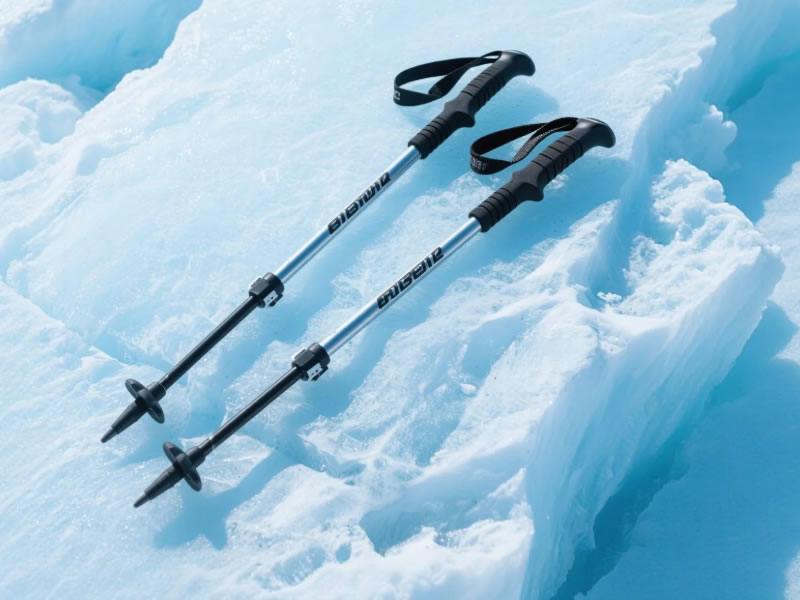
Recommended trekking pole purchase link: https://s.click.aliexpress.com/e/_c4M7OWaN
Why Glacier Travel Requires Specialized Poles
Walking on a glacier is fundamentally different from trail hiking. The surface can change from rock-hard ice to deep, soft snow within a single step. You may need to probe for crevasses, arrest a fall, or cross snow bridges where stability is everything. Standard trekking poles, designed for dirt and rock, often fail in these conditions. Glacier-specific poles address these challenges with design features tailored to ice and snow environments.
Critical Features for Glacier Poles
Sturdy Baskets: Standard trekking baskets are too small for snow. On a glacier, your poles need large, deep snow baskets that prevent the shaft from plunging into soft snow. Without adequate baskets, each pole plant disappears into the surface, providing no support and exhausting your arms. Look for interchangeable basket systems that allow you to swap between trail and snow configurations.
Secure Locking Mechanisms: On a glacier, your poles must hold their length without question. Slipping mechanisms can cause sudden loss of support precisely when you need it most—crossing a snow bridge or traversing a steep ice slope. Flick-lock or lever-lock systems are generally more reliable than twist-locks, especially in cold conditions where metal contracts.
Durable Construction: Glacier travel abuses gear. Poles scrape against ice, get stepped on by crampons, and endure temperature extremes. Aluminum construction is generally preferred over carbon fiber for glacier work—it bends under extreme stress rather than snapping catastrophically. High-grade aluminum like 7075 offers an excellent strength-to-weight ratio.
Self-Arrest Capability: This is perhaps the most critical distinction. Glacier travelers must be prepared to perform a self-arrest if they fall into a crevasse or slip on ice. Some poles feature grip designs that allow you to slide your hand down and apply pressure to the shaft—mimicking the technique used with an ice axe. Extended foam grips that run down the shaft provide a secure handhold for this maneuver.
Ice Axe Compatibility: While poles are essential for glacier travel, they do not replace an ice axe. However, some poles feature heads that can function similarly to an ice axe adze for cutting steps or probing. At minimum, your poles should integrate smoothly with your overall glacier kit.
Interchangeable Tips: Glacier surfaces vary enormously. Carbide tips bite into hard ice, while rubber tips provide traction on rock sections at the glacier's edge. Look for poles with easily swappable tip systems.
Recommended Glacier Travel Poles
Black Diamond Raven Trekking Poles
The Black Diamond Raven series is specifically designed for alpine and glacier use. These poles feature an extended foam grip that runs several inches down the shaft, allowing you to choke down for self-arrest positions—a critical safety feature. The flick-lock mechanisms are reliable even in cold conditions, and the aluminum construction absorbs abuse without failing. Large snow baskets are included and easily swapped. These are the gold standard for glacier travel.
LEKI Makalu Tour
LEKI's Makalu Tour poles are built for high-altitude and glacial environments. They feature the brand's reliable Speed Lock system, which holds securely in extreme cold. The large alpine baskets prevent sinking, and the ergonomic grip includes an extended foam section for self-arrest capability. The aluminum shaft is durable yet reasonably lightweight for long approaches.
Komperdell Highland Carbon
For those prioritizing weight savings without sacrificing durability, Komperdell's Highland Carbon poles offer a compromise. While carbon fiber is generally less recommended for glacier travel, Komperdell uses high-modulus carbon reinforced at stress points. The poles feature large snow baskets and a comfortable cork grip with an extended foam section. They are best suited for experienced glacier travelers who treat their gear carefully.
CAMP X-All Mountain
CAMP is renowned for alpine equipment, and the X-All Mountain poles reflect that heritage. These three-section aluminum poles pack down small for travel but extend to full glacier length. The locking mechanisms are robust, and the included snow baskets are genuinely large enough for soft snow. The grip design allows for self-arrest positioning, making them suitable for glacier travel at a more accessible price point.
How to Use Poles on a Glacier
Proper technique varies with conditions:
On Hard Ice: Use carbide tips for maximum bite. Plant firmly and test each placement before committing weight. On steep ice, poles provide balance but cannot replace proper crampon technique.
On Soft Snow: Switch to large baskets. Plant poles deeply to probe hidden crevasses—if your pole punches through suddenly, you may have found a snow bridge. Stop immediately and assess.
During Self-Arrest: If you fall, slide your hands down to the extended grip section, press the shaft against the snow, and apply pressure as you would with an ice axe. This is a last resort—proper crevasse rescue training is essential.
On Crevasse Crossings: Use poles to probe ahead for hidden voids. Move slowly, keeping poles planted while testing each step. Never cross a suspected crevasse without being roped up.
Essential Glacier Safety Partnerships
Poles alone are insufficient for glacier travel. They must be part of a comprehensive safety system including:
- Crampons: For secure footing on hard ice
- Ice Axe: For primary self-arrest and step cutting
- Rope and Crevasse Rescue Gear: For team safety
- Proper Training: In glacier travel techniques and crevasse rescue
Maintenance for Glacier Poles
Cold, wet conditions demand extra care:
- Rinse poles thoroughly after glacier trips to remove grit and minerals
- Check locking mechanisms for ice buildup during use
- Inspect baskets for cracks—cold makes plastic brittle
- Dry poles completely before storage to prevent corrosion
The Bottom Line
Glacier travel demands the most from your walking poles. Features like large snow baskets, secure locking mechanisms, durable aluminum construction, and self-arrest-capable grips separate safe glacier poles from ordinary trekking sticks. The Black Diamond Raven series leads the category with thoughtful design for alpine conditions, while LEKI and Komperdell offer worthy alternatives. Remember that poles complement—but never replace—proper glacier training, rope skills, and an ice axe. With the right equipment and knowledge, glacier travel becomes an achievable, unforgettable adventure.
Disclaimer: This article provides general information about gear selection. Glacier travel involves serious risks requiring proper training, experience, and safety protocols. Always travel with qualified guides or companions and carry appropriate rescue equipment.




