




Can Walking Poles Be Used for Skiing? Understanding the Differences and Risks
When winter arrives and the snow begins to fall, outdoor enthusiasts face a common question: can the walking poles used for three-season hiking double as ski poles? The answer requires understanding the distinct design philosophies behind these two tools and the environments in which they operate. While walking poles might seem similar at first glance, using them for skiing involves significant compromises and genuine safety risks.
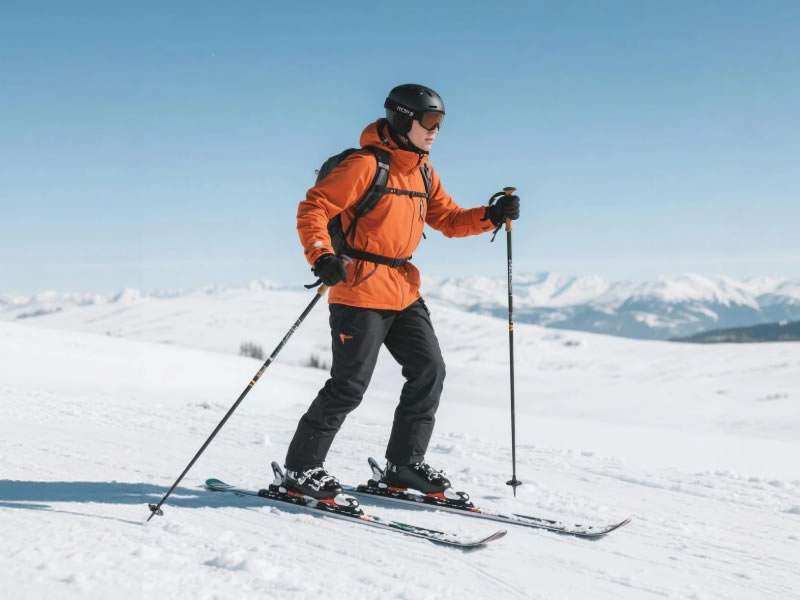
Recommended trekking pole purchase link: https://s.click.aliexpress.com/e/_c4M7OWaN
The Short Answer
Technically, you can plant walking poles in snow and push yourself along on skis. However, they are not designed or safe for skiing in any serious context. Trekking poles lack the specialized features that make ski poles effective and secure in winter conditions. For resort skiing, backcountry touring, or even casual cross-country skiing, investing in proper ski poles is strongly recommended.
Critical Design Differences
Understanding why walking poles fail at skiing requires examining their fundamental design differences:
Basket Size and Shape: Ski poles feature large, often asymmetrical baskets that prevent the pole from sinking deep into soft snow. These baskets are designed to provide purchase on the surface while minimizing drag. Trekking poles typically have small baskets intended for dirt and rock. In snow, these small baskets plunge through the surface, offering no support and forcing you to lift the pole excessively high with each plant.
Grip and Strap Design: Ski pole grips are specifically shaped to work with ski pole straps. The straps attach in a way that allows you to apply force through the strap rather than gripping tightly—essential for efficient skiing and critical for safety during falls. Walking pole straps are designed differently and may not release properly if you fall, increasing wrist injury risk.
Length Considerations: Ski poles are typically measured and selected based on your height and skiing style. They are usually fixed-length because skiers need consistent pole length for planting and pushing. Adjustable walking poles, while offering length flexibility, introduce locking mechanisms that can freeze, slip, or fail in cold conditions.
Material and Temperature Performance: Ski poles are built to withstand cold temperatures, impacts with hard snow and ice, and the occasional binding scrape. Walking poles, especially those with plastic components, may become brittle in extreme cold. Locking mechanisms can freeze, and grips may become slippery with frozen gloves.
Tip Design: Ski pole tips are aggressive, designed to bite into hard snow and ice. Walking pole tips, even carbide ones, are optimized for dirt and rock. They may skate across hardpack rather than penetrating securely.
When Walking Poles Might Work (With Caveats)
Despite these limitations, there are limited scenarios where walking poles could serve in winter:
Casual Snowshoeing: For flat, gentle terrain snowshoeing, walking poles with large snow baskets attached can be adequate. The demands are lower—you are not skiing at speed or relying on poles for turns. However, dedicated snowshoeing poles are still preferable.
Emergency Situations: If you find yourself needing poles for balance while crossing snowy terrain on a hike that unexpectedly encountered snow, your trekking poles are better than nothing. But this is survival mode, not recreation.
Very Gentle Cross-Country Skiing: On perfectly flat, groomed trails at slow speeds, walking poles might function. But as soon as you encounter hills, variable snow, or the need for quick reactions, their limitations become dangerous.
Risks of Using Walking Poles for Skiing
The potential consequences extend beyond inconvenience:
Injury Risk from Strap Failure: If a walking pole strap does not release properly during a fall, you risk wrist, thumb, or shoulder injuries. Ski poles are designed with safety release in mind.
Loss of Control: Poles that sink too deep or fail to plant securely can cause loss of balance at speed, leading to falls.
Equipment Failure: Locking mechanisms can freeze open or closed. Shafts not designed for repeated snow immersion may corrode. Baskets may break under snow load.
Cold Weather Hazards: Metal components can freeze to gloves. Grips may become too slippery to hold securely with frozen hands.
Recommended Ski Pole Options
If you are heading into winter, invest in appropriate gear:
For Resort Skiing: Any reputable ski brand offers poles appropriate for alpine skiing. Look for durable aluminum construction, comfortable grips, and properly sized baskets.
For Backcountry Touring: Adjustable ski poles like the Black Diamond Compactor or Whippet allow length changes for ascending and descending while maintaining ski-specific features.
For Cross-Country Skiing: Lightweight poles with large baskets and specialized grips match the demands of Nordic skiing.
For Snowshoeing: Dedicated snowshoeing poles or trekking poles with large snow baskets can work, but ensure locking mechanisms are cold-rated.
The Bottom Line
Can walking poles be used for skiing? Technically yes, but the better question is whether they should be. The design differences between walking poles and ski poles reflect the very different demands of hiking versus skiing. Skiing places higher demands on poles—greater speeds, more variable snow conditions, and the need for reliable performance in cold. Walking poles, optimized for dirt trails and three-season use, cannot meet these demands safely or effectively.
For occasional, very gentle snow play, your trekking poles with added snow baskets might suffice. For any serious skiing—whether at resorts, in the backcountry, or on cross-country trails—proper ski poles are a small investment that pays dividends in safety, comfort, and performance. Your winter adventures deserve gear designed for the conditions.
Disclaimer: This article provides general information about gear selection. Skiing involves inherent risks, and using inappropriate equipment increases those risks. Always choose gear appropriate for your activity and conditions.




