




Do Walking Poles Help with Fibromyalgia Pain? A Comprehensive Guide to Gentle Movement
Fibromyalgia is a complex condition characterized by widespread musculoskeletal pain, fatigue, sleep disturbances, and tenderness in localized areas. For those living with this chronic condition, even simple activities like walking can feel daunting. The question of whether walking poles can help manage fibromyalgia pain is an important one—and the answer offers genuine hope for many sufferers. This guide explores how walking poles may benefit individuals with fibromyalgia, what features matter most, and how to incorporate them safely into a pain management strategy.
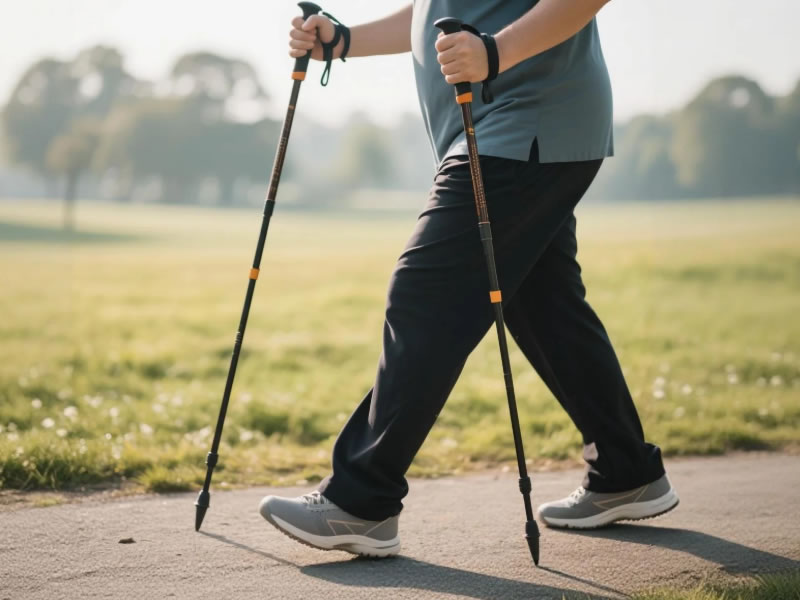
Recommended trekking pole purchase link: https://s.click.aliexpress.com/e/_c4M7OWaN
Understanding Fibromyalgia and Movement
Fibromyalgia affects an estimated 2-4 percent of the population, predominantly women. The condition involves abnormal pain processing in the central nervous system, meaning that stimuli that wouldn't normally be painful can cause significant discomfort. This central sensitization makes exercise challenging—yet remaining active is crucial for managing symptoms.
Research consistently shows that moderate, regular exercise is one of the most effective interventions for fibromyalgia. It improves pain, fatigue, mood, and physical function. However, finding the right type and intensity of exercise that doesn't exacerbate symptoms is often a delicate balancing act. This is where walking poles may offer unique benefits.
How Walking Poles May Help with Fibromyalgia Pain
Reduced Joint Impact: Each step with walking poles transfers 20 to 30 percent of body weight from the lower body to the arms and shoulders. This load reduction means less force travels through pain-sensitive joints, muscles, and tender points. For fibromyalgia sufferers, this can make walking possible when it might otherwise be too uncomfortable.
Improved Posture: Fibromyalgia often leads to protective postures—hunching forward, tensing muscles—that actually increase pain over time. Walking poles encourage an upright stance, reducing strain on the back, neck, and shoulders while promoting better alignment.
Engaging Upper Body: By involving the arms, shoulders, and core, poles distribute workload across more muscle groups. This prevents overloading any single area and may reduce the localized pain that often follows activity in fibromyalgia patients.
Rhythmic, Predictable Movement: The repetitive, rhythmic nature of pole walking can be soothing for the nervous system. Unlike jarring, unpredictable movements that might trigger pain flares, pole walking offers controlled, consistent motion.
Temperature Regulation: Many fibromyalgia sufferers are sensitive to temperature extremes. Poles allow slower, more controlled walking with less effort, potentially reducing heat buildup and sweating that can trigger symptoms.
Increased Confidence: Fear of pain-related activity avoidance (kinesiophobia) is common in fibromyalgia. Poles provide physical reassurance that encourages consistent, gentle movement, breaking the cycle of deconditioning that worsens symptoms.
Pain Distraction: The focus required to coordinate poles may provide a degree of distraction from pain signals, a concept supported by gate control theory of pain.
Choosing the Right Poles for Fibromyalgia
Ultralight Construction: Fatigue is a core symptom of fibromyalgia. Heavy poles increase the energy cost of walking and may actually worsen symptoms. Carbon fiber poles are the lightest option, significantly reducing the effort required to lift and plant each pole. Look for models weighing under 10 ounces per pair.
Shock Absorption: Fibromyalgia involves widespread pain sensitivity. Poles with built-in shock absorption dampen the jarring forces of each step, making walking more comfortable and reducing the risk of symptom flares.
Ergonomic, Comfortable Grips: Hand and arm pain are common in fibromyalgia. Grips should be large, contoured, and soft, reducing the need for a tight grasp. Cork or foam materials provide secure traction without requiring significant grip strength. Some models feature extended grips that allow varied hand positions.
Adjustable Height: Fibromyalgia symptoms fluctuate. The ability to fine-tune pole height allows adaptation to changing needs. On higher-pain days, slightly longer poles may provide additional leverage and reduce effort.
Secure, Easy-to-Use Locking Mechanisms: For those with hand pain or weakness, complicated locking mechanisms can be frustrating. Look for simple, reliable systems that can be operated with minimal dexterity.
Stable Bases: Wide rubber feet provide maximum ground contact and traction on various surfaces, enhancing stability and confidence.
Recommended Walking Poles for Fibromyalgia
Black Diamond Distance Carbon Z
These fixed-length poles are exceptionally lightweight—under 10 ounces per pair—making them ideal for those with fatigue concerns. The carbon fiber construction absorbs vibration, and the simple cord lock system is easy to operate. Available in multiple lengths to match your height. While fixed-length means less adjustability, the weight savings can be transformative.
LEKI Wanderfreund
Designed for therapeutic walking, the LEKI Wanderfreund offers exceptional stability with its unique rolling tip that maintains continuous ground contact. The integrated shock absorption reduces joint impact, and the ergonomic grip promotes proper hand position with minimal strain. The wide base enhances balance—valuable for those with fibromyalgia-related dizziness or balance issues.
Black Diamond Trail Pro Shock
These poles feature a sophisticated shock absorption system with adjustable dampening, allowing you to fine-tune the cushioning to your comfort level. The foam grips extend below the handle for versatile hand positioning, and the flick-lock adjustments are secure and easy to use. Interchangeable tips allow for wide rubber feet on pavement.
Exerstrider Poles
Exerstrider specializes in fitness walking poles with rehabilitation applications. Their poles feature angled grips that encourage upright posture and shock-absorbing tips that reduce impact. The straps are designed to keep hands relaxed while maintaining control—valuable for those with hand pain.
Cascade Mountain Tech Carbon Fiber
For budget-conscious users, these carbon fiber poles offer good value. They feature cork grips and flick-lock adjustments. While not as refined as premium options, they provide essential features at an accessible price point.
How to Use Poles Safely with Fibromyalgia
Consult Your Healthcare Provider: Before starting any new exercise, discuss it with your doctor or physical therapist. They can offer personalized guidance based on your specific symptoms and limitations.
Start Extremely Gently: Begin with just 5-10 minutes of walking on level, forgiving surfaces. Pay close attention to how your body responds over the next 24-48 hours. Fibromyalgia symptoms can be delayed, so gradual progression is essential.
Listen to Your Body: This cannot be overemphasized. Some days you may manage 20 minutes comfortably; other days, 5 minutes may be enough. Respect these fluctuations—pushing through pain almost always backfires with fibromyalgia.
Focus on Comfort: Use poles on forgiving surfaces like tracks, grass, or well-maintained paths rather than concrete. Wear supportive, comfortable shoes. Dress in layers to manage temperature sensitivity.
Practice Pacing: Break walking into shorter sessions rather than one long walk. For example, three 10-minute walks may be more tolerable than one 30-minute walk.
Incorporate Rest: Plan rest breaks where you can sit, hydrate, and assess how you feel before continuing.
Learn Proper Technique: The basic pattern is opposite pole to opposite foot—right pole forward with left foot. Push down through the pole as you step, allowing the straps to bear weight so your hands can remain relaxed.
The Physical Therapist's Role
A physical therapist familiar with fibromyalgia can be invaluable. They can:
- Assess your specific movement limitations and pain patterns
- Help select appropriate poles
- Teach proper technique and pacing
- Design a graduated walking program
- Integrate pole walking with other therapies like stretching and strengthening
- Monitor progress and adjust recommendations
Potential Limitations and Considerations
Walking poles are not suitable for all fibromyalgia sufferers. Those with:
- Severe upper body pain or sensitivity
- Significant balance issues requiring more support
- Cognitive symptoms affecting safety
may need different approaches. Additionally, some individuals may find the arm movement aggravates certain tender points. Start slowly and discontinue if symptoms worsen significantly.
Complementary Strategies
For best results, combine pole walking with:
- Gentle Stretching: Especially for areas prone to tightness
- Pacing and Energy Conservation: Balance activity with rest
- Stress Management: Meditation, deep breathing, or gentle yoga
- Good Sleep Hygiene: Prioritize restorative sleep
- Appropriate Medications: As prescribed by your doctor
- Warm Baths or Gentle Heat: After walking to soothe muscles
The Psychological Benefits
Beyond physical effects, poles offer psychological benefits. Fibromyalgia can feel isolating and unpredictable. Having a tool that enhances mobility and reduces fear of pain-related activity can restore a sense of control. The confidence gained often extends beyond walking, improving overall quality of life.
The Bottom Line
Do walking poles help with fibromyalgia pain? For many individuals, yes—when used appropriately as part of a comprehensive management strategy. By reducing joint impact, improving posture, distributing workload, and providing confidence, poles can make gentle walking more accessible and comfortable. The key lies in selecting poles with appropriate features—ultralight construction, shock absorption, ergonomic grips—and using them with extreme attention to pacing and body signals. Models like the Black Diamond Distance Carbon Z and LEKI Wanderfreund exemplify the features that best serve those with fibromyalgia, offering minimal weight or exceptional stability depending on individual priorities.
Remember that fibromyalgia is highly individual. What works for one person may not work for another. Work closely with your healthcare team, start gently, and listen carefully to your body. With patience and the right approach, walking poles can become valuable allies in managing pain and maintaining mobility—one gentle step at a time.
Disclaimer: This article provides general information and does not constitute medical advice. Always consult your healthcare provider before starting any new exercise program, especially with a chronic condition like fibromyalgia.




