




Best Walking Poles for Knee Replacement Recovery: A Complete Guide to Protecting Your New Joint
Undergoing knee replacement surgery is a major life event that can dramatically improve quality of life by eliminating chronic pain and restoring mobility. However, the recovery process requires patience, dedication, and the right tools to protect your new joint while rebuilding strength. Walking poles can be invaluable allies during this journey—but selecting the appropriate poles and using them correctly is essential for safety and optimal outcomes. This comprehensive guide explores how walking poles support knee replacement recovery, what features matter most, and recommends the best options for protecting your investment in mobility.
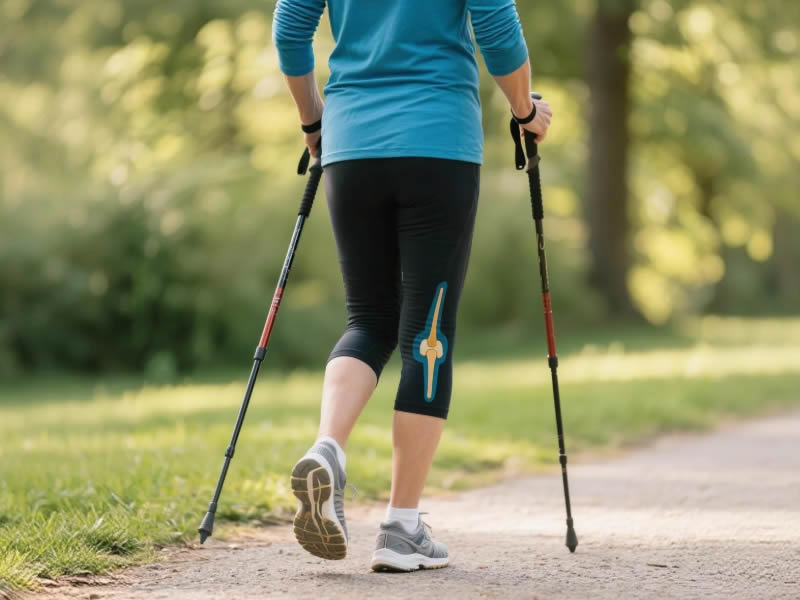
Recommended trekking pole purchase link: https://s.click.aliexpress.com/e/_c4M7OWaN
Why Walking Poles Are Essential After Knee Replacement
A new knee joint is designed to last decades, but it requires protection during the critical healing period and beyond. Walking poles offer several benefits that align perfectly with post-surgical needs:
Reduced Joint Load: This is the most significant benefit. Each step with walking poles transfers 20 to 30 percent of your body weight from your lower body to your arms and shoulders. For a healing knee replacement, this load reduction means less stress on the implant-bone interface, potentially extending the life of your new joint and reducing pain during recovery.
Improved Gait Mechanics: After knee replacement, many patients develop compensatory limps to avoid pain or accommodate weakness. These abnormal gait patterns can cause secondary problems in the opposite knee, hips, and back. Poles encourage a more natural, symmetrical walking pattern by providing support and feedback.
Enhanced Stability: Reduced balance is common after joint replacement surgery due to altered proprioception, muscle weakness, and the lingering effects of anesthesia. Poles create a wider base of support, significantly reducing fall risk—a critical consideration when a fall could damage your new knee.
Confidence Building: Fear of falling or damaging the new joint can lead to reduced activity, which delays recovery. Poles provide physical reassurance that encourages consistent, protective walking, accelerating rehabilitation.
Pain Management: By reducing load and improving gait, poles can decrease the pain associated with early weight-bearing, allowing more comfortable movement during the healing process.
Critical Features for Knee Replacement Poles
Shock Absorption: This is the most important feature for protecting a new knee. Poles with built-in shock absorption—typically springs or elastomers in the shaft—cushion each step, reducing the jarring forces transmitted through the leg and into the knee joint. Look for models labeled "anti-shock" or with adjustable dampening.
Adjustable Height: Proper sizing is essential, and your needs may change as recovery progresses. Adjustable poles allow you to fine-tune length for different phases of rehabilitation. Look for clear adjustment markings and secure locking mechanisms.
Lightweight Construction: After surgery, strength and endurance may be diminished. Heavy poles increase fatigue and may actually destabilize users. Aluminum poles offer a good balance of durability and weight, while carbon fiber provides the lightest option for those who can invest more.
Ergonomic Grips: Hand and arm fatigue can occur when relying heavily on poles. Look for comfortable, contoured grips that fit your hand naturally. Cork or foam materials provide secure traction without requiring a tight, straining grasp. Some models feature extended grips that allow varied hand positions.
Stable Bases: Wide rubber feet provide maximum ground contact and traction on various surfaces. Some models offer swivel bases that maintain full contact even when the pole is angled—particularly useful during early recovery when gait may be uneven.
Secure Locking Mechanisms: Poles that slip or collapse during use can cause falls. Reliable locking systems—flick-lock or lever-lock designs—are essential for patient safety.
Simple Operation: After surgery, fine motor skills may be temporarily affected. Look for intuitive, easy-to-operate mechanisms that don't require significant dexterity.
Recommended Walking Poles for Knee Replacement Recovery
Black Diamond Trail Pro Shock
The Black Diamond Trail Pro Shock poles are an excellent choice for knee replacement recovery. They feature a sophisticated shock absorption system with adjustable dampening, allowing you to fine-tune the cushioning to your comfort level as healing progresses. The foam grips extend below the handle for versatile hand positioning—useful when you need to choke up on steep sections or vary your grip. The flick-lock mechanisms are reliable and easy to operate, even with reduced hand strength. Interchangeable tips allow for wide rubber feet on stable surfaces. These poles offer the perfect combination of joint protection and usability.
LEKI Wanderfreund
The LEKI Wanderfreund is specifically designed for therapeutic walking and offers exceptional stability. Its unique rolling tip maintains continuous ground contact, mimicking a smooth, natural gait that's gentle on healing joints. The integrated shock absorption system significantly reduces impact forces, and the wide base provides excellent stability. The ergonomic grip promotes proper hand position and reduces strain on hands and wrists. Many physical therapists recommend these poles for joint replacement recovery due to their thoughtful design and reliable performance.
Exerstrider Poles
Exerstrider specializes in fitness walking poles with rehabilitation applications. Their poles feature angled grips that encourage upright posture—beneficial for those who tend to lean forward due to pain or weakness. The shock-absorbing tips reduce joint impact, and the straps are designed to keep hands relaxed while maintaining control. Exerstrider provides excellent customer support and can help match you to the appropriate model based on your specific needs and height.
Cascade Mountain Tech Anti-Shock Aluminum Poles
For budget-conscious patients, these aluminum poles include spring-loaded shock absorbers and comfortable cork grips. They offer good value while providing essential features for post-surgical use. The flick-lock mechanisms are functional, and the poles accept standard rubber feet for added stability. While not as refined as premium options, they perform adequately for recovery walking.
Komperdell Explorer Powerlock
Komperdell's Explorer series features durable aluminum construction and the reliable Powerlock system. The cork grips are comfortable, and the poles include shock absorption. Komperdell is known for rigorous testing, and these poles hold up well to daily use during recovery.
How to Use Poles Safely After Knee Replacement
Consult Your Surgeon or Physical Therapist: This is the most important step. Never begin using walking poles after knee replacement without professional approval. Your therapist can assess your specific needs, ensure poles are appropriate, and teach proper technique.
Proper Sizing: Stand in your walking shoes with the pole tip beside your foot. Your elbow should form a 90-degree angle. For shock-absorbing poles, account for slight compression under load. Your therapist can confirm correct sizing. Generally, poles should be slightly longer for descending and shorter for climbing.
Master Basic Technique: The fundamental pattern is opposite pole to opposite foot—right pole forward with left foot. Push down through the pole as you step, consciously transferring weight through your arms. Maintain upright posture with shoulders relaxed. The straps should bear much of the load, allowing a relaxed grip.
Start on Safe Surfaces: Begin walking on level, predictable surfaces like indoor hallways or smooth paths. Progress gradually to outdoor terrain as balance and confidence improve. Avoid uneven ground initially.
Progress Gradually: Increase walking time and distance slowly. Recovery is not linear—some days will feel better than others. Listen to your body and respect its limits. A typical progression might be:
- Weeks 1-2: 5-10 minutes, several times daily
- Weeks 3-4: 10-15 minutes, twice daily
- Weeks 5-6: 15-20 minutes, once or twice daily
- Beyond: Gradually increase as tolerated
Use Both Poles: Even if only one knee was replaced, using two poles provides balanced support and encourages symmetrical movement patterns that protect both joints.
Inspect Poles Regularly: Check locking mechanisms, tips, and shafts for wear or damage. Replace worn rubber feet promptly to maintain stability.
The Physical Therapist's Role
Your physical therapist is your most valuable resource in using poles effectively. They can:
- Determine when you are ready to transition from walker or crutches to poles
- Select appropriate pole type and length
- Teach proper technique and gait patterns
- Design a progressive walking program
- Monitor your recovery and adjust recommendations
- Integrate pole walking with other therapeutic exercises
- Address specific challenges like swelling, pain, or stiffness
Timing After Surgery
Most surgeons and physical therapists recommend waiting until you have achieved specific milestones before introducing walking poles:
- Adequate quadriceps strength to support weight-bearing
- Sufficient balance to stand without support briefly
- Ability to follow complex instructions
- Clearance from your surgical team
Typically, this occurs around 3-6 weeks post-surgery, but individual timelines vary significantly. Always follow your specific healthcare team's guidance.
Transitioning Away from Poles
As recovery progresses, you may eventually walk without poles. This transition should be gradual:
- Use poles for all walks initially
- Gradually reduce pole use on short, familiar routes
- Keep poles available for challenging terrain or longer walks
- Eventually use poles only when needed for specific conditions
Many patients continue using poles indefinitely, finding they allow more comfortable, confident walking on hills, uneven ground, or longer distances. There is no requirement to stop if poles enhance your mobility and quality of life.
Additional Recovery Strategies
Combine pole walking with:
- Prescribed Home Exercises: Quadriceps sets, straight leg raises, ankle pumps
- Ice Therapy: Regular icing to manage swelling after walking
- Elevation: Keep the leg elevated when resting
- Hydration and Nutrition: Support healing with adequate fluid and protein
- Pain Management: Take prescribed medications as directed
- Rest: Balance activity with adequate rest throughout the day
Potential Warning Signs
While using poles, be alert for:
- Increased pain in the replaced knee
- Significant swelling that doesn't improve with ice and elevation
- Instability or feeling that the knee might give way
- Redness, warmth, or fever (possible signs of infection)
- Falls or near-falls
Report any concerns to your surgeon or physical therapist promptly.
The Bottom Line
For individuals recovering from knee replacement surgery, walking poles are excellent tools that protect your new joint, improve stability, build confidence, and support proper gait mechanics. The key lies in selecting poles with appropriate features—shock absorption, adjustable height, lightweight construction, ergonomic grips, and stable bases—and using them under professional guidance. Models like the Black Diamond Trail Pro Shock and LEKI Wanderfreund exemplify the features that best serve knee replacement patients, offering superior cushioning and stability.
Remember that recovery is a marathon, not a sprint. Your new knee has the potential to provide decades of pain-free mobility, but it deserves careful protection during the healing process. With the right equipment, proper guidance from your healthcare team, and patient persistence, walking poles can help you progress safely through your recovery journey—rebuilding strength and confidence one supported step at a time.
Disclaimer: This article provides general information and does not constitute medical advice. Always consult your surgeon and physical therapist before using walking poles after knee replacement surgery. Individual recovery timelines and needs vary significantly.




