




Walking Poles for Cardiac Rehabilitation Patients? A Comprehensive Guide to Heart-Healthy Walking
Recovering from a cardiac event—whether heart attack, bypass surgery, angioplasty, or heart failure—requires a carefully structured approach to exercise. Cardiac rehabilitation programs emphasize gradual, supervised physical activity to rebuild cardiovascular fitness safely. In this context, a simple yet powerful tool has gained recognition: walking poles. But are they appropriate for cardiac rehab patients? The evidence suggests yes, with important considerations for safety, intensity, and medical supervision. This comprehensive guide explores how walking poles can support cardiac rehabilitation, what features matter most, and how to incorporate them into a heart-healthy lifestyle.
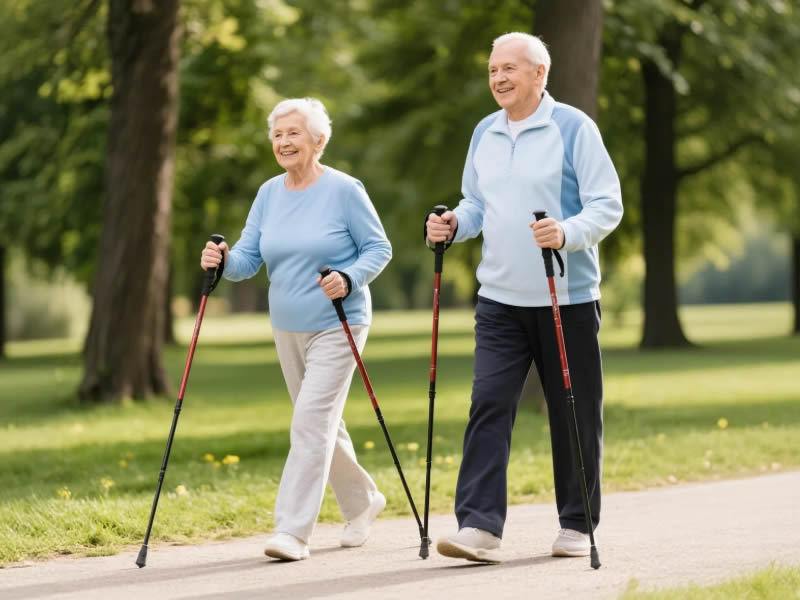
Recommended trekking pole purchase link: https://s.click.aliexpress.com/e/_c4M7OWaN
The Role of Exercise in Cardiac Rehabilitation
Cardiac rehab is a medically supervised program designed to improve cardiovascular health after a heart event. Its goals include:
- Strengthening the heart muscle
- Improving circulation
- Reducing risk factors like high blood pressure and cholesterol
- Managing weight
- Reducing stress and improving mood
- Building confidence in physical activity
Walking is the cornerstone of most cardiac rehab programs—it's accessible, low-impact, and easily graded. Adding poles transforms ordinary walking into a more comprehensive workout with unique cardiovascular benefits.
How Walking Poles Benefit Cardiac Patients
Increased Cardiovascular Demand: By engaging the upper body muscles—shoulders, arms, chest, and back—poles increase the total muscle mass involved in walking. This higher muscle recruitment raises oxygen consumption and heart rate without requiring faster walking speed. For cardiac patients, this means achieving target heart rate zones with less perceived effort and lower impact on joints.
Enhanced Calorie Burn: The additional muscle engagement increases energy expenditure by 20 to 40 percent compared to walking without poles. For patients managing weight as part of cardiac risk reduction, this is a significant advantage.
Improved Oxygen Utilization: Upper body engagement promotes better oxygen extraction and utilization throughout the body, potentially improving overall cardiovascular efficiency over time.
Reduced Perceived Exertion: Many cardiac patients report that walking with poles feels easier than walking without them, despite the higher calorie burn. The stabilizing effect and rhythm of poles may reduce the anxiety that often accompanies post-cardiac event exercise.
Better Posture and Breathing: Poles encourage upright posture, which allows for fuller lung expansion and more efficient breathing—particularly important for patients who may have developed guarded, protective postures after surgery.
Joint Protection: For cardiac patients who also have arthritis or joint concerns, poles reduce impact on knees, hips, and ankles, allowing longer, more comfortable walking sessions.
Confidence and Adherence: Fear of another cardiac event can lead to exercise avoidance. Poles provide physical reassurance that encourages consistent participation in rehab activities.
Choosing Poles for Cardiac Rehabilitation
Ultralight Construction: Cardiac patients may have reduced endurance initially. Heavy poles increase the energy cost of walking and may discourage use. Carbon fiber poles are the lightest option, significantly reducing the effort required to lift and plant each pole. Look for models weighing under 10 ounces per pair.
Adjustable Height: Proper sizing ensures efficient energy use and comfort. Adjustable poles allow fine-tuning as recovery progresses and gait normalizes.
Comfortable Grips: Extended walking sessions require grips that remain comfortable. Cork or foam materials absorb sweat and provide secure traction without requiring a tight grasp.
Secure Locking Mechanisms: Reliable locks prevent sudden collapse, which could startle or destabilize patients. Flick-lock or lever-lock systems are generally more secure than basic twist-locks.
Shock Absorption: For patients with joint sensitivities or those recovering from sternotomy (chest opening for heart surgery), shock-absorbing poles reduce jarring forces through the upper body.
Reflective Elements: For safety during early morning or evening walks when many cardiac patients exercise.
Recommended Walking Poles for Cardiac Patients
Black Diamond Distance Carbon Z
These fixed-length poles are exceptionally lightweight—under 10 ounces per pair—making them ideal for patients focused on minimizing fatigue. The carbon fiber construction absorbs vibration, and the simple cord lock system is easy to operate. Available in multiple lengths to match your height. The weight savings can be transformative for those building endurance.
LEKI Wanderfreund
Designed for therapeutic walking, the LEKI Wanderfreund offers exceptional stability with its unique rolling tip that maintains continuous ground contact. The integrated shock absorption reduces joint impact, and the ergonomic grip promotes proper hand position. The wide base enhances balance—valuable for patients who may feel unsteady post-event.
Exerstrider Poles
Exerstrider specializes in fitness walking poles with rehabilitation applications. Their poles feature angled grips that encourage upright posture—beneficial for cardiac patients who may have developed guarded postures. The straps are designed to keep hands relaxed while maintaining control. Exerstrider provides excellent educational resources on technique.
Black Diamond Trail Ergo Cork
These poles offer comfortable cork grips that mold to the hand and promote natural wrist alignment. The lightweight aluminum construction is manageable for most patients, and the flick-lock adjustments are secure and easy to use. Available with shock absorption for additional comfort.
Cascade Mountain Tech Carbon Fiber
For budget-conscious patients, these carbon fiber poles offer good value. They feature cork grips and flick-lock adjustments. While not as refined as premium options, they provide essential features at an accessible price point.
How to Use Poles Safely in Cardiac Rehab
Medical Clearance Is Essential: Never begin using walking poles—or any new exercise—without clearance from your cardiologist and cardiac rehab team. They can assess your specific condition, medications, and exercise tolerance.
Work with Your Rehab Team: Your cardiac rehab specialists can:
- Help select appropriate poles
- Teach proper technique
- Integrate pole walking into your exercise prescription
- Monitor your response to increased intensity
- Adjust recommendations based on your progress
Learn Proper Technique: The basic pattern is opposite pole to opposite foot—right pole forward with left foot. Push down through the pole as you step, allowing the straps to bear weight so hands can remain relaxed. Maintain upright posture with shoulders relaxed and chest open to facilitate breathing.
Monitor Intensity: Use your target heart rate zone and perceived exertion as guides. Poles will increase cardiovascular demand at the same walking speed, so you may need to slow down initially to stay within prescribed parameters.
Start Slowly: Begin with 5-10 minutes on level ground. Gradually increase duration as your endurance improves. Many cardiac rehab programs progress to 30-45 minutes of continuous walking.
Warm Up and Cool Down: Include gentle stretching and slow walking before and after pole sessions. This is especially important for cardiac patients to allow heart rate to adjust gradually.
Stay Hydrated: Drink water before, during (if sessions are long), and after walking. Cardiac medications may affect fluid balance.
Listen to Your Body: Stop immediately and seek medical attention if you experience:
- Chest pain or pressure
- Shortness of breath not relieved by rest
- Dizziness or lightheadedness
- Palpitations or irregular heartbeat
- Unusual fatigue
The Cardiac Rehab Context
Walking poles should be integrated into a comprehensive cardiac rehab program that includes:
- Medical Monitoring: Regular checks of blood pressure, heart rate, and rhythm
- Risk Factor Management: Attention to blood pressure, cholesterol, diabetes, and smoking cessation
- Nutritional Guidance: Heart-healthy eating plans
- Stress Management: Techniques for reducing psychological stress
- Medication Management: Proper use of cardiac medications
- Gradual Progression: Slowly increasing exercise intensity and duration
Benefits Beyond Cardiovascular
For cardiac patients, the benefits of pole walking extend beyond heart health:
- Weight Management: Increased calorie burn supports healthy weight
- Blood Sugar Control: Regular exercise improves insulin sensitivity
- Mood Enhancement: Physical activity reduces depression and anxiety common after cardiac events
- Social Connection: Walking with others provides emotional support
- Sleep Improvement: Regular exercise promotes better sleep quality
- Bone Health: Weight-bearing activity maintains bone density
Special Considerations for Cardiac Surgery Patients
Patients recovering from bypass surgery or other cardiac procedures have additional considerations:
- Sternal Precautions: If you've had chest-opening surgery, avoid pushing or pulling with arms until cleared by your surgeon. Your cardiac rehab team will advise when pole walking is appropriate.
- Arm Movement: Start with gentle arm swing before adding significant pole pressure. Progress gradually.
- Incision Sites: Ensure pole straps don't rub against healing incisions.
- Medication Effects: Blood thinners and other cardiac medications may affect balance or bleeding risk. Report any concerns.
The Psychological Dimension
The psychological benefits of pole walking for cardiac patients are substantial:
- Regained Confidence: Successfully completing walks rebuilds trust in your body's capabilities
- Reduced Anxiety: The rhythmic, predictable nature of pole walking can be calming
- Sense of Progress: Tracking increased walking distance provides tangible evidence of recovery
- Social Connection: Group pole walking sessions foster peer support
- Empowerment: Taking an active role in recovery improves long-term outcomes
Long-Term Heart Health
For many cardiac patients, walking poles become lifelong companions. The benefits extend beyond formal rehab:
- Sustainable Exercise: The added interest and variety of pole walking encourage long-term adherence
- Continued Cardiovascular Benefit: Regular pole walking maintains heart health
- Weight Management: Ongoing calorie burn supports healthy weight
- Functional Fitness: Improved strength and balance support independence
- Quality of Life: Confident, comfortable walking enables participation in valued activities
The Bottom Line
Are walking poles appropriate for cardiac rehabilitation patients? Yes—when introduced at the appropriate time under medical supervision, they offer unique benefits for heart health. By increasing cardiovascular demand without requiring faster walking, engaging upper body muscles, improving oxygen utilization, and building confidence, poles can enhance the effectiveness and enjoyment of cardiac rehab.
The key lies in collaboration with your healthcare team, proper pole selection, and gradual progression. Models like the Black Diamond Distance Carbon Z and LEKI Wanderfreund offer features that align well with cardiac patients' needs—ultralight construction, comfort, and stability.
Remember that your heart has been through a significant event. Respect the recovery process, celebrate small victories, and trust that with each supported step, you're building a stronger, healthier cardiovascular system. Walking poles can be valuable partners in that journey—helping you walk farther, feel better, and embrace a heart-healthy future.
Disclaimer: This article provides general information and does not constitute medical advice. Always consult your cardiologist and cardiac rehabilitation team before starting or modifying any exercise program after a cardiac event. Individual recovery timelines and exercise prescriptions vary significantly.




