




Best Walking Poles for National Park Day Trips: Your Complete Guide to Comfortable Exploration
America's national parks offer some of the most spectacular walking experiences on Earth—from the crimson cliffs of Zion and the geothermal wonders of Yellowstone to the misty mountains of Great Smoky Mountains and the rugged coastline of Acadia. Whether you're a seasoned hiker or a casual day-tripper, walking poles can transform your national park experience. They reduce fatigue, protect joints on challenging terrain, and enhance stability on uneven trails. But with so many options available, how do you choose the right poles for day trips in our national treasures? This guide explores the features that matter most for park exploration and recommends top options for your adventures.
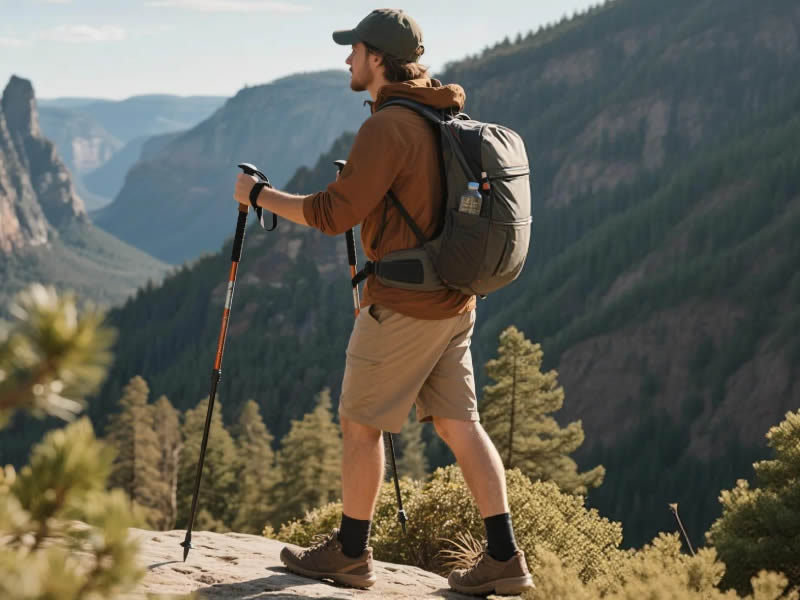
Recommended trekking pole purchase link: https://s.click.aliexpress.com/e/_c4M7OWaN
Why National Park Day Trips Demand Thoughtful Pole Selection
National parks present unique challenges that influence pole choice:
Varied Terrain: A single day in a national park might include smooth paved paths, rocky trails, sandy washes, steep ascents, and root-tangled forest floors. Your poles must perform across this diversity.
Long Days on Your Feet: Park day trips often involve 5-10 miles or more of walking. Comfort and fatigue reduction become paramount.
Shuttle and Transport Considerations: Many parks require parking at visitor centers and riding shuttles to trailheads. Poles must be easily portable during these transitions.
Crowded Conditions: Popular parks attract millions of visitors. Poles need to be manageable in busy areas without inconveniencing others.
Variable Weather: Mountain weather changes quickly. Poles should perform in rain, sun, and everything between.
Critical Features for National Park Poles
Versatile Length Adjustment: Park trails constantly change grade—climbing to overlooks, descending into canyons, traversing ridges. Adjustable poles allow you to shorten for climbs (efficient power transfer) and lengthen for descents (knee protection). Look for at least 25-30cm of adjustability.
Lightweight Construction: When you're carrying poles all day, every gram matters. Carbon fiber poles are the lightest option, reducing arm fatigue significantly. High-quality aluminum offers durability at moderate weight.
Comfortable Grips for Long Days: Cork grips are ideal for national park use—they mold to your hand over time, remain comfortable in heat, absorb sweat without becoming slippery, and provide excellent traction. Foam is a good alternative. Avoid rubber in warm climates.
Shock Absorption (Optional but Helpful): For parks with long descents (like the Grand Canyon or Rocky Mountain National Park), shock-absorbing poles reduce joint impact. However, this adds weight and complexity—a personal trade-off.
Interchangeable Tips: Park trails vary from pavement to rock to dirt. The ability to swap between carbide tips (for trails) and rubber feet (for paved sections and boardwalks) adds versatility.
Secure Locking Mechanisms: Reliable locks prevent sudden collapse on uneven terrain. Flick-lock or lever-lock systems are generally more secure than basic twist-locks.
Packability for Shuttles: If your park day involves shuttle buses or crowded transport, poles that collapse reasonably small are easier to manage. Three-section poles are standard; four-section models pack even smaller.
Recommended Poles for National Park Day Trips
Black Diamond Alpine Cork
The Black Diamond Alpine Cork poles are excellent all-around choices for national park exploration. They feature comfortable cork grips that mold to your hands and remain secure even in heat. The aluminum construction is durable yet reasonably lightweight. The flick-lock adjustments are reliable and easy to operate, allowing quick length changes as terrain varies. These poles accept interchangeable tips—carbide for trails, rubber for paved paths. They're versatile enough for everything from Acadia's rocky coasts to Zion's slickrock. For most day-trippers, this is the ideal balance of comfort, durability, and performance.
LEKI Makalu Lite
LEKI's Makalu Lite poles feature durable aluminum construction and the reliable Speed Lock system. The cork grips are comfortable, and the poles include large baskets suitable for varied conditions. LEKI's reputation for quality makes these a solid choice for frequent park visitors. The Aergon grip promotes natural hand position, reducing fatigue during long days. These poles perform admirably across the diverse terrain found in national parks.
Black Diamond Distance Carbon Z
For ultralight enthusiasts and those prioritizing minimal weight, the Distance Carbon Z fixed-length poles are exceptional. At under 10 ounces per pair, they virtually disappear in your hands. The carbon fiber construction absorbs vibration, and the simple cord lock system is reliable. However, fixed-length means you cannot adjust for climbs and descents—a trade-off to consider. Available in multiple lengths, they work well for hikers who know their preferred size and prioritize weight savings above all.
Cascade Mountain Tech Carbon Fiber
For budget-conscious park visitors, these carbon fiber poles offer good value. They feature cork grips and flick-lock adjustments. While not as refined as premium options, they perform adequately for occasional day trips. The aluminum version is even more affordable and durable, though heavier. These are good entry-level options for those new to pole walking.
Black Diamond Trail Ergo Cork
These poles offer comfortable cork grips and reliable flick-lock adjustments. The aluminum construction is durable, and the ergonomic grip design promotes natural wrist alignment. Available with shock absorption for those prioritizing joint protection on long descents. A solid mid-range option for regular park visitors.
How to Choose Based on Park Type
Different parks emphasize different features:
For Parks with Big Elevation Changes (Grand Canyon, Great Smoky Mountains, Rocky Mountain): Prioritize adjustable length and shock absorption. You'll be grateful for knee-saving features on long descents.
For Desert Parks (Zion, Arches, Canyonlands, Death Valley): Cork grips are essential—they stay cool and comfortable in heat. Lightweight construction reduces fatigue. Large baskets help in sand.
For Coastal Parks (Acadia, Olympic, Channel Islands): Corrosion-resistant materials matter. Rinse poles after exposure to salt air. Rubber tips work well on wet rocks and boardwalks.
For Forested Parks (Great Smoky Mountains, Shenandoah, Redwood): Reliable locking mechanisms are crucial on root-tangled, uneven trails. Cork or foam grips handle humidity well.
For Parks with Paved Paths (Many have accessible trails): Interchangeable rubber tips protect paved surfaces and provide traction. Consider poles that accept rubber feet easily.
National Park Etiquette with Poles
On Shuttle Buses: Collapse poles and hold them vertically or stow in your pack. Extended poles can trip other passengers.
In Crowded Areas: Keep poles close to your body. When stopped, plant them vertically rather than extending into pathways.
On Narrow Trails: When passing or being passed, collapse one pole or hold both in one hand to create space.
At Overlooks and Viewpoints: Be aware of others trying to take photos. Step back and collapse poles if needed.
Leave No Trace: Use rubber tips on paved surfaces to prevent scarring. Stay on designated trails—poles don't excuse off-trail travel.
Additional Tips for Park Day Trips
Pack Spare Rubber Tips: They wear faster on pavement. A spare set weighs nothing and can save your day.
Carry a Small Repair Kit: A spare locking mechanism part or some duct tape can be a lifesaver if a pole fails mid-hike.
Know Park Rules: Some parks have specific regulations about walking aids. Check before you go, especially in wilderness areas.
Combine with Other Gear: Poles complement daypacks, hydration systems, and appropriate footwear. Ensure everything works together.
Practice Before You Go: If new to poles, take them on local walks before your park trip. Familiarity enhances enjoyment.
The National Park Experience
With the right poles, your national park day trips become more comfortable, more enjoyable, and more accessible. You'll walk farther with less fatigue, tackle challenging trails with greater confidence, and arrive at stunning viewpoints feeling fresh enough to appreciate them fully.
Imagine descending into the Grand Canyon with shock-absorbing poles protecting your knees. Picture navigating the narrows of Zion with cork grips secure in your sweaty palms. Envision crossing Acadia's rocky shoreline with poles providing stability on every uneven step. This is the experience good poles enable.
The Bottom Line
For national park day trips, the best walking poles balance versatility, comfort, and durability. They adapt to changing terrain, remain comfortable hour after hour, and perform reliably across the diverse conditions our parks offer. The Black Diamond Alpine Cork leads the category for most day-trippers, offering the ideal combination of comfortable cork grips, reliable adjustments, and durable construction. Ultralight enthusiasts may prefer the Black Diamond Distance Carbon Z, while budget-conscious visitors can find capable options from Cascade Mountain Tech.
Remember that your poles are tools that enhance your experience—they should never distract from the incredible landscapes around you. Choose wisely, practice beforehand, and then let your poles fade into the background as you immerse yourself in the natural wonders of America's national parks. One supported step at a time, you'll explore places that take your breath away—while your poles help you breathe a little easier along the way.
Disclaimer: This article provides general information about gear selection. Always check current National Park Service regulations for specific parks before your visit, and practice Leave No Trace principles during your adventures.




