




Best Smart Walking Poles with GPS or Sensors? The Future of Hiking Technology
For centuries, walking poles remained simple tools—aluminum or carbon fiber shafts with grips and baskets. But technology has finally caught up with outdoor gear. Today's smart walking poles integrate GPS navigation, fitness tracking, and even safety features that can transform your hiking experience. Whether you're a tech enthusiast, a solo hiker concerned about safety, or someone who loves data as much as views, smart poles offer compelling capabilities. This comprehensive guide explores the best smart walking poles with GPS or sensors and helps you decide if they're worth the investment.
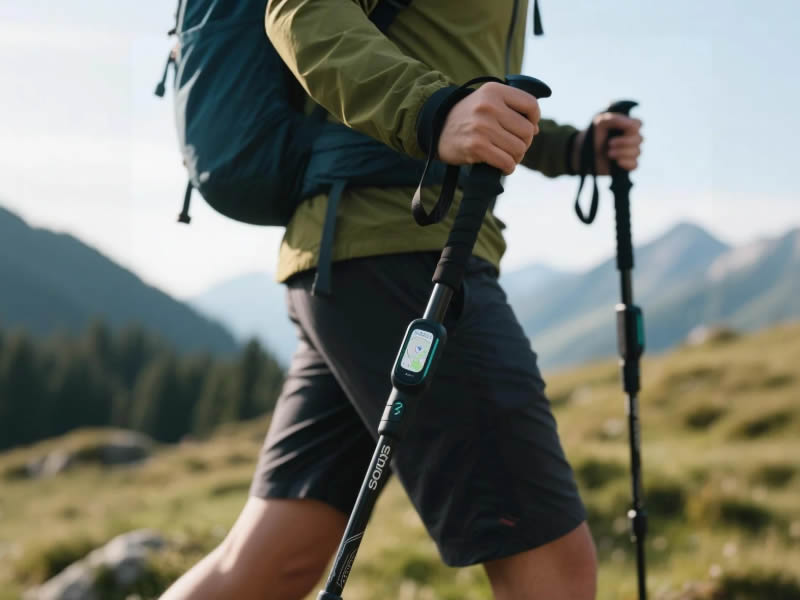
Recommended trekking pole purchase link: https://s.click.aliexpress.com/e/_c4M7OWaN
What Are Smart Walking Poles?
Smart walking poles combine traditional trekking pole functionality with embedded technology. Features may include:
- GPS Navigation: Built-in or modular GPS units for tracking routes, marking waypoints, and navigating unfamiliar terrain
- Activity Tracking: Sensors that monitor steps, distance, elevation gain, cadence, and calories burned
- Health Monitoring: Heart rate sensors, sometimes integrated into grips
- Safety Features: Fall detection, emergency alerts, and location sharing
- Connectivity: Bluetooth syncing with smartphones and fitness apps
- Navigation Aids: Built-in compasses, altimeters, and barometers
These features transform poles from simple support tools into comprehensive hiking companions that enhance safety, provide data, and enrich the outdoor experience.
Benefits of Smart Walking Poles
Enhanced Navigation: Never lose your way with integrated GPS. Mark waypoints, track your route, and navigate confidently in unfamiliar terrain.
Safety Net: For solo hikers, features like fall detection and emergency alerts provide peace of mind. Some poles can automatically notify emergency contacts if you stop moving for a predetermined period.
Fitness Tracking: Get detailed data about your hike—distance, pace, elevation gain, calories burned—without wearing a separate device.
Performance Analysis: Cadence sensors help analyze and improve your walking efficiency over time.
Integration: Sync data with favorite fitness apps for comprehensive activity tracking.
All-in-One Convenience: Reduce the number of devices you need to carry and manage.
Top Smart Walking Poles Available
LEKI Voyager with GPS Module
The LEKI Voyager represents one of the most sophisticated smart pole systems on the market:
Key Features:
- Removable GPS Module: A compact GPS unit that attaches to the pole strap
- Navigation Functions: Track routes, mark waypoints, record trails, and navigate back to starting points
- Safety Features: Emergency alert function; share your location with contacts
- Data Tracking: Records distance, time, elevation, and speed
- Smartphone Integration: Syncs with companion app for route planning and data analysis
- Battery Life: Extended life suitable for multi-day treks
- Traditional Pole Quality: LEKI's renowned aluminum construction with comfortable grips
Pros: Professional-grade GPS functionality; removable module can be used independently; excellent build quality
Cons: Premium pricing; module requires charging
Best for: Serious hikers, solo adventurers, navigation-focused users
NexaSpine Smart Trekking Poles
NexaSpine offers sensor-integrated poles focused on fitness tracking:
Key Features:
- Integrated Sensors: Monitor cadence, distance, calories, and heart rate
- Bluetooth Connectivity: Syncs with smartphones and fitness apps
- Real-Time Feedback: Audio cues through connected earbuds about pace and performance
- Activity Analysis: Post-hike data breakdown in companion app
- Traditional Design: Comfortable grips and durable aluminum construction
- Battery: Rechargeable via USB
Pros: Comprehensive fitness tracking; real-time feedback; reasonable price point
Cons: No GPS navigation; sensor accuracy varies with conditions
Best for: Fitness-focused hikers, data enthusiasts
B' Twin 500 Connected Walking Poles (Decathlon)
Decathlon's entry into smart poles offers accessible technology:
Key Features:
- Activity Tracking: Built-in sensor records steps, distance, and calories
- Bluetooth Connectivity: Syncs with Decathlon's fitness app
- Simple Interface: Easy-to-use design for casual users
- Affordable Price: Most budget-friendly smart pole option
- Traditional Pole Quality: Decathlon's reliable construction
Pros: Affordable entry to smart poles; simple operation; decent tracking
Cons: Limited features; basic app functionality
Best for: Casual hikers curious about smart technology
Pole-Mounted GPS Devices (Add-On Solutions)
For those who already love their current poles, add-on GPS devices offer smart functionality:
Garmin inReach Mini 2: Compact satellite communicator that can be mounted on pole straps for navigation and emergency messaging.
SPOT Gen4: Similar satellite tracker with emergency features, mountable on poles.
Smartphone Mounts: Simple brackets that attach phones to poles for easy navigation access.
These solutions allow customization without replacing existing poles.
How to Choose Smart Walking Poles
Identify Your Priorities:
- Navigation Focus: If GPS and route tracking matter most, LEKI Voyager leads the category
- Fitness Tracking: For data enthusiasts, NexaSpine offers comprehensive sensors
- Budget Conscious: Decathlon's B'Twin provides accessible entry
- Safety Priority: Consider satellite communicators (Garmin inReach) mounted on quality poles
Consider Battery Life: Smart features require power. Evaluate battery life against your typical hike duration. Some poles offer extended life; others need frequent charging.
Evaluate App Integration: Check companion app quality. Is it intuitive? Does it sync with apps you already use? Read user reviews.
Weight Trade-Offs: Smart features add weight. Consider whether benefits outweigh ounces for your hiking style.
Durability Concerns: Electronics must withstand outdoor conditions. Look for water resistance and robust construction.
Future-Proofing: Technology evolves quickly. Consider whether modular designs (like LEKI's removable GPS) offer better longevity.
Pros and Cons of Smart Poles
| Pros | Cons |
|---|---|
| Enhanced navigation safety | Higher cost than traditional poles |
| Comprehensive fitness data | Added weight |
| Emergency features for solo hikers | Battery management required |
| Reduced device clutter | Technology may become outdated |
| Real-time performance feedback | Potential reliability concerns in extreme conditions |
Are Smart Poles Worth It?
The answer depends on your hiking style and priorities:
Yes, if you:
- Hike solo frequently and value safety features
- Love data and want detailed performance tracking
- Navigate in unfamiliar or remote terrain
- Appreciate integrated technology and fewer devices
- Have budget for premium gear
Maybe not, if you:
- Prefer simplicity and unplugged experiences
- Hike primarily on well-marked trails
- Already carry GPS devices or smartphones
- Are satisfied with traditional poles
- Have tight budget constraints
The Future of Smart Poles
Technology in this space is rapidly evolving. Expect to see:
- Improved Sensor Accuracy: More precise tracking with better algorithms
- Extended Battery Life: Longer-lasting power for multi-day treks
- Lighter Designs: Miniaturization reducing weight penalties
- Enhanced Integration: Seamless sync with broader outdoor ecosystems
- Augmented Reality: Potential for heads-up displays or audio navigation cues
- Health Monitoring: More sophisticated biometric tracking
What Users Say
"I switched to LEKI Voyager for solo backpacking trips," shares Mark, an experienced hiker. "The GPS module gives me peace of mind knowing I can always find my way back, and the emergency features mean my wife worries less. Worth every penny."
"I love data, so NexaSpine poles were a natural choice," says Jennifer, a fitness enthusiast. "Seeing my cadence and heart rate during hikes helps me train more effectively. The real-time audio cues keep me on pace without checking my phone."
The Bottom Line
Smart walking poles with GPS and sensors represent an exciting evolution in hiking gear. The LEKI Voyager leads the category with professional-grade navigation features and safety capabilities, while NexaSpine offers comprehensive fitness tracking for data enthusiasts. Budget-conscious hikers can explore Decathlon's B'Twin as an entry point, and those with existing poles can add functionality through mounted GPS devices.
The decision to invest in smart poles comes down to personal priorities. For solo hikers, navigation-focused adventurers, and data lovers, the benefits often outweigh the costs. For those who cherish simplicity and unplugged experiences, traditional poles remain excellent choices.
As technology continues advancing, smart poles will likely become lighter, more capable, and more accessible. For now, they offer compelling capabilities that can enhance safety, provide valuable data, and enrich the hiking experience for those ready to embrace the future of outdoor gear.
Disclaimer: This article provides general information about gear selection. Technology specifications change rapidly; verify current features and compatibility before purchasing. Always carry backup navigation methods in remote areas regardless of technology.




