




Are There Walking Poles with Integrated Water Bottles? Hydration Meets Innovation
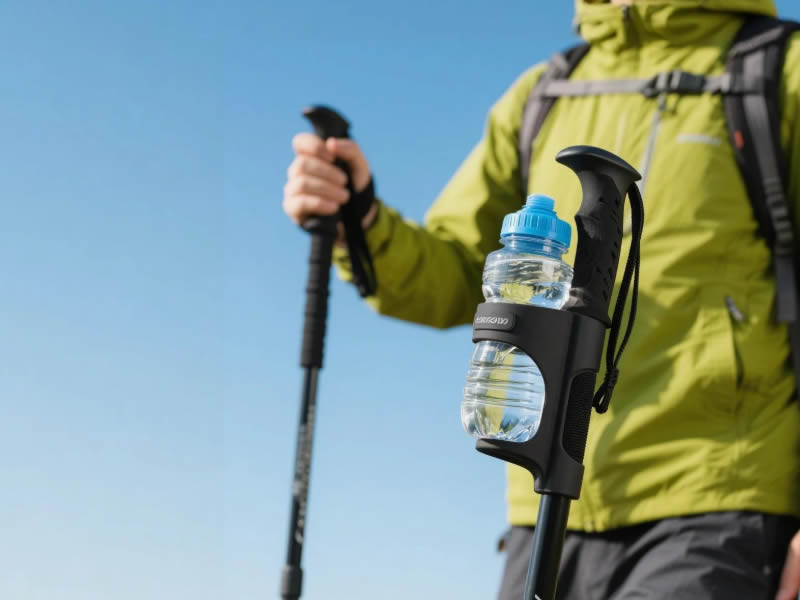
For hikers who love efficiency and innovation, the idea of combining two essential pieces of gear—walking poles and water bottles—is intriguing. Imagine having hydration literally at your fingertips without reaching for a pack or fumbling for a bottle. But are such poles actually available, and more importantly, are they practical? This comprehensive guide explores the niche world of walking poles with integrated water bottles, examining real products, their pros and cons, and better alternatives for staying hydrated on the trail.
Recommended trekking pole purchase link:https://s.click.aliexpress.com/e/_c4M7OWaN
The Concept: Hydration at Hand
The premise is simple: integrate a water container directly into the walking pole, typically within the grip or upper shaft. This would allow hikers to sip water without stopping, without removing a pack, and without breaking stride. For ultralight enthusiasts, it could also eliminate the need for a separate hydration system.
The Most Notable Example: Black Diamond Alpine FLZ Cork
The most prominent and serious attempt at this concept is the Black Diamond Alpine FLZ Cork, which features a Removable Flask hidden within the grip.
Key Features:
- Integrated Flask: A 150ml (approximately 5 ounces) collapsible flask stored inside the grip
- Easy Access: The top of the grip unscrews to reveal the flask spout
- Material: The flask is made from a flexible, food-grade material
- Pole Design: Based on Black Diamond's popular Alpine FLZ Cork poles—flick-lock adjustable, cork grips, durable aluminum construction
- Weight: Adds minimal weight over standard poles
The Intended Use: This isn't designed to replace your main water supply. It's meant for quick, frequent sips during high-output activities like trail running or fast-paced hiking, or as an emergency backup if you run dry between sources.
The Pros of Integrated Hydration
Unmatched Convenience: Water is literally in your hand. No reaching for bottles, no stopping to access a hydration pack. Just unscrew and sip.
Weight Distribution: Carrying water in your poles distributes weight away from your back and into your hands, which some hikers may find preferable.
Novelty and Cool Factor: Let's be honest—it's a conversation starter on the trail.
Emergency Backup: That 5 ounces could be a lifesaver if you misjudge your water needs and find yourself parched between sources.
Streamlines Gear: Reduces the number of separate items you need to carry.
The Cons That Limit Practicality
Tiny Capacity: 150ml (5 ounces) is barely a few sips. For context, a standard water bottle holds 500-1000ml. This is not a primary hydration solution.
Weight Penalty: The flask mechanism adds weight over standard poles, and you're still carrying your main water supply elsewhere.
Cleaning Challenges: The flask is difficult to clean thoroughly, raising hygiene concerns over time. Mold and bacteria can thrive in hidden crevices.
Temperature Issues: Water in the grip can get warm from hand contact and sun exposure—not refreshing on a hot day.
Potential for Leaks: Any integrated system risks leakage, which could damage the grip or make it slippery.
One Pole Only: Typically only one pole has the flask, so you're carrying unbalanced weight.
Cost: Premium pricing for a niche feature.
Other Attempts and Concepts
Beyond the Black Diamond model, there have been other approaches:
DIY Modifications: Some hikers have experimented with attaching small soft flasks to poles using velcro or custom mounts. Results vary.
Conceptual Designs: Various patents and concept designs have been proposed for poles with integrated bladders or bottles, but few have reached production.
Hydration-Compatible Pole Straps: Some manufacturers offer pole straps with small pockets for energy gels or very small flasks, but not true integrated bottles.
Why This Concept Hasn't Taken Off
The lack of widespread adoption tells us something:
Fundamental Trade-Off: Poles are structural tools that must be lightweight, balanced, and durable. Adding hydration systems compromises these priorities.
Limited Utility: The small capacity means it's not a primary hydration solution, so it becomes an extra feature rather than a core function.
Better Solutions Exist: The market has already developed excellent hydration options that work seamlessly with poles.
Superior Alternatives for Staying Hydrated
For virtually all hikers, these solutions are more practical than integrated bottles:
Hydration Packs/Bladders:
- Pros: Large capacity (1-3 liters), hands-free drinking tube, even weight distribution
- Cons: Adds weight to back, tube can freeze in winter
- Best for: Most hikers, especially on longer treks
Handheld Water Bottles:
- Pros: Simple, lightweight, easy to drink from
- Cons: Occupies one hand, can cause imbalance
- Best for: Short hikes, trail running, minimalist approach
Bottle Holsters for Packs:
- Pros: Easy access, keeps bottles secure, works with standard bottles
- Cons: Adds slight weight, bottles may bounce
- Best for: Hikers who prefer bottles over bladders
Pole-Mounted Bottle Holders:
- Aftermarket Accessories: Some companies make clips or holsters that attach bottles directly to poles
- DIY Solutions: Creative hikers have fashioned holders using straps and webbing
- Pros: Keeps bottles accessible without compromising pole integrity
- Cons: Adds weight and bulk to poles; may affect balance
Hydration Belts/Fanny Packs:
- Pros: Lightweight, easy access, keeps weight off back
- Cons: Limited capacity, may bounce
- Best for: Day hikes, minimalist approach
The Verdict on Integrated Water Bottle Poles
Are they available? Yes, the Black Diamond Alpine FLZ Cork is a real product that integrates a small flask into the grip.
Are they practical for most hikers? No, for several reasons:
- The capacity is too small for primary hydration
- The added complexity and cleaning challenges outweigh the convenience for most users
- Better, more flexible hydration solutions already exist
- The cost premium is hard to justify for a niche feature
Who might appreciate them?
- Ultra-runners: For quick, frequent sips during high-intensity efforts
- Minimalist hikers: Those trying to eliminate every possible item
- Gear enthusiasts: Hikers who love innovative, unique equipment
- Emergency backup seekers: As a supplement to main water supply
The Bottom Line
Yes, walking poles with integrated water bottles exist, with the Black Diamond Alpine FLZ Cork being the most prominent example. However, they remain a niche product with significant limitations—primarily tiny capacity and added complexity. For the vast majority of hikers, traditional hydration methods (packs, bottles, or even pole-mounted holders) offer more practical, flexible, and reliable solutions.
The quest for innovation in outdoor gear is admirable, and concepts like this push the industry forward. But sometimes, the simplest solutions are the best. Keep your poles for stability, carry your water in proven systems, and enjoy the trail with both hands free for the views.
Disclaimer: This article provides general information about gear selection. Product availability and features may change. Always prioritize reliable hydration methods on the trail, especially in remote areas.




