




Do Professional Hikers Recommend Walking Poles? Insights from the Trail's Elite
When it comes to hiking gear, few opinions carry as much weight as those of professional hikers—individuals who spend thousands of miles on trails, pushing their bodies and equipment to the limits. Their recommendations aren't based on marketing hype or casual use, but on hard-won experience across every imaginable terrain and condition. So what do these experts say about walking poles? The consensus is remarkably consistent and offers valuable guidance for hikers at every level.
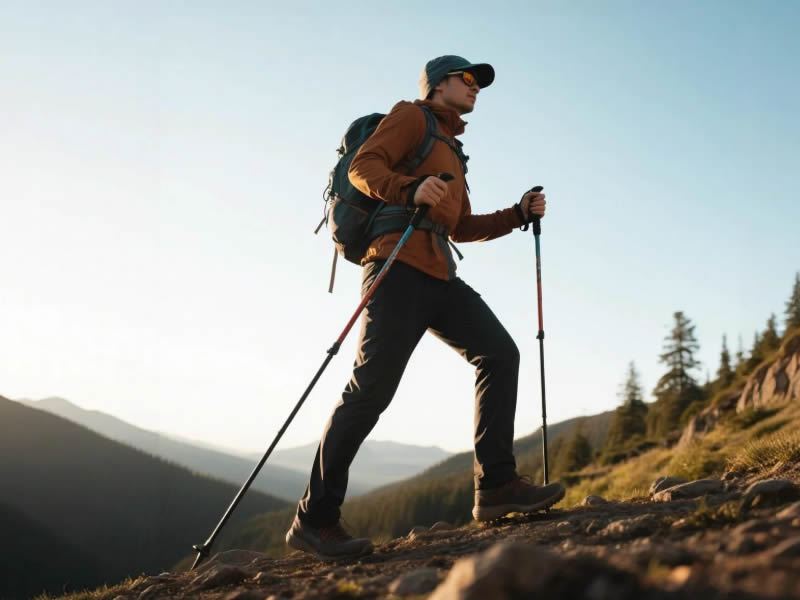
Recommended trekking pole purchase link:https://s.click.aliexpress.com/e/_c4M7OWaN
The Short Answer
Yes, overwhelmingly, professional hikers recommend walking poles. The vast majority of long-distance thru-hikers, mountain guides, and professional adventurers consider poles essential equipment. They cite knee protection on relentless descents, improved stability with heavy packs, increased efficiency over thousands of miles, and versatility for tasks like tent support and stream crossings as primary benefits. While some elite athletes may forgo poles for specific objectives, the consensus is clear: for most hikers, most of the time, poles are worth carrying.
Why Professionals Recommend Poles
1. Joint Protection (The #1 Reason)
Ask any long-distance hiker what hurts after 20+ mile days, and the answer is almost always knees. Professional hikers have learned that protecting joints isn't just about comfort—it's about being able to continue.
- Downhill Impact Reduction: Poles transfer 20-30% of impact forces from legs to arms, dramatically reducing cumulative stress on knees.
- Long-Term Career Protection: For guides and professionals who hike year after year, joint preservation is essential for career longevity.
- Recovery Acceleration: Less joint stress means faster recovery between big days.
What They Say: "I wouldn't attempt a thru-hike without poles. My knees would never survive. They're not optional—they're essential." — Jennifer Pharr Davis, former Appalachian Trail speed record holder
2. Stability with Heavy Packs
Professional guides and backpackers often carry significant weight—camera gear, safety equipment, group supplies. Poles provide crucial stability:
- Balance Correction: When a heavy pack shifts, poles provide instant counterbalance.
- Stream Crossing Safety: With a heavy pack, a fall is more than inconvenient—it's dangerous. Poles dramatically reduce risk.
- Exposure Confidence: On narrow trails with drop-offs, poles provide the stability that allows focus on foot placement.
What They Say: "With a 40-pound pack, poles aren't a luxury—they're a safety device. I've watched hikers without poles stumble on terrain I navigate easily with poles." — Mike Clelland, mountain guide and author
3. Efficiency and Energy Conservation
Over thousands of miles, small efficiencies compound into huge energy savings:
- Weight Distribution: Engaging upper body muscles spreads workload, delaying overall fatigue.
- Rhythm Maintenance: Poles help establish consistent pacing, preventing the energy-wasting start-stop pattern.
- Uphill Assistance: On climbs, poles provide extra propulsion, saving leg strength for later.
What They Say: "Poles turn your arms into an additional engine. On a 2,000-mile hike, that's a game-changer." — Andrew Skurka, professional adventurer and guide
4. Versatility Beyond Walking
Professionals appreciate gear that serves multiple purposes:
- Tent Supports: Many ultralight shelters use trekking poles instead of tent poles.
- Emergency Repairs: Poles can become splints, makeshift tent stakes, or signaling devices.
- Wildlife Deterrent: A raised pole often stops curious animals without confrontation.
- Probe for Hazards: Testing snow bridges, water depth, or hidden holes.
What They Say: "My poles are my tent, my safety tool, and my support system. They're the most versatile piece of gear I carry." — Heather "Anish" Anderson, author and long-distance hiker
5. Injury Prevention and Management
Professionals can't afford downtime. Poles help prevent common injuries:
- Ankle Sprains: Additional points of contact reduce risk of rolling ankles.
- Stress Fractures: Reduced impact lowers risk of overuse injuries.
- Back Pain: Upright posture encouraged by poles reduces spinal stress.
- Tendonitis: Sharing load between arms and legs reduces repetitive strain on any single joint.
What They Say: "I've seen too many promising thru-hikes end because of preventable injuries. Poles are cheap insurance." — Ryan "Dixie" Sylvester, Pacific Crest Trail thru-hiker and filmmaker
When Professionals Might Skip Poles
Even among advocates, there are situations where poles aren't used:
- Trail Running: Some elite runners prefer free hands for speed and agility.
- Scrambling/Technical Terrain: Sections requiring hands for rock climbing may mean stowing poles.
- Personal Preference: A small minority of experienced hikers simply prefer without.
- Specific Objectives: Speed records on certain routes might prioritize weight savings.
However, even in these cases, many professionals still carry poles for most of their journey and only stow them when necessary.
What the Research Shows
Professional experience aligns with scientific studies:
- Reduced Joint Impact: Multiple studies confirm significant reduction in knee and hip loads.
- Improved Stability: Balance improves measurably with pole use.
- Increased Calorie Burn: Engaging upper body increases energy expenditure—good for fitness, requiring more food on long hikes.
- Faster Recovery: Reduced muscle damage markers in pole users after long days.
Professional Preferences: What They Use
If you're wondering what the pros actually carry:
Thru-Hikers (Long-Distance):
- Black Diamond Distance Carbon Z: Ultralight, reliable, packs small
- Cascade Mountain Tech Carbon Fiber: Budget-friendly, surprisingly durable
- LEKI Micro Vario: Adjustable, packs tiny, premium quality
Mountain Guides:
- Black Diamond Alpine Cork: Durable, reliable, comfortable for all-day use
- LEKI Makalu: Trusted for decades in professional guiding
Nordic Walking Professionals:
- LEKI Wanderfreund: Specifically designed for fitness walking technique
- Exel Nordic Walking Poles: Specialized for proper Nordic form
Trail Runners (When They Use Poles):
- Black Diamond Distance Carbon Z: Ultralight, quick deployment
- LEKI Micro Trail Running Poles: Specifically designed for running
What Professional Hikers Say: Collected Wisdom
"Poles saved my knees on the PCT. I started without them, ended with them. Never again without." — Scott "Squatch" Herriott, triple crowner
"The number one piece of advice I give new hikers? Get poles. Learn to use them. Your body will thank you." — Liz "Snorkel" Thomas, author and long-distance hiker
"I've guided clients for 20 years. The ones with poles have fewer falls, less pain, and more fun. That's not coincidence." — Melissa "Mel" Arnot, mountain guide and Everest summiter
"Poles aren't just for old people or those with injuries. They're smart tools for smart hikers. Every mile is easier with them." — Cam "Swami" Honan, long-distance hiking legend
Addressing Common Concerns
"Won't poles make me look inexperienced?"
Professionals know better. Using appropriate gear signals wisdom, not weakness.
"Aren't they just extra weight?"
The weight of poles is offset by reduced fatigue and injury prevention. Pros do the math.
"Don't they get in the way?"
Proper technique and quality poles minimize inconvenience. The benefits far outweigh occasional hassle.
The Bottom Line
Do professional hikers recommend walking poles? Overwhelmingly, yes. From thru-hikers covering thousands of miles to mountain guides working daily in challenging terrain, the consensus is clear: poles are valuable tools that enhance safety, reduce injury risk, improve efficiency, and increase overall enjoyment.
The reasons are grounded in real-world experience: joint protection that enables continued hiking, stability that prevents falls, efficiency that conserves energy, and versatility that solves problems. Professionals don't use poles because they're trendy—they use them because they work.
If you're wondering whether to add poles to your kit, consider the source. The people who spend the most time on trails, who push their bodies hardest, who depend on their gear for safety and performance—they've made their choice. And overwhelmingly, they choose poles.
Disclaimer: This article synthesizes opinions from professional hikers and guides. Individual experiences vary, and the best gear choices depend on personal circumstances, terrain, and objectives. Always consult multiple sources and consider your specific needs when making equipment decisions.




