




Best Walking Poles for Rocky Mountain Trails? A Complete Guide to Technical Terrain
Rocky mountain trails present one of the most demanding environments for walking poles. From the jagged peaks of the Rockies to the ancient Appalachians and the sharp volcanic terrain of the Pacific Northwest, these trails punish inadequate gear. The constant impact against rock, the need for reliable grip on steep slabs, and the sudden loading when you stumble all require poles that are up to the task. Choosing the wrong poles means bent shafts, snapped tips, and potentially dangerous failures. This comprehensive guide explores the best poles for rocky conditions and how to keep them functioning on technical terrain.
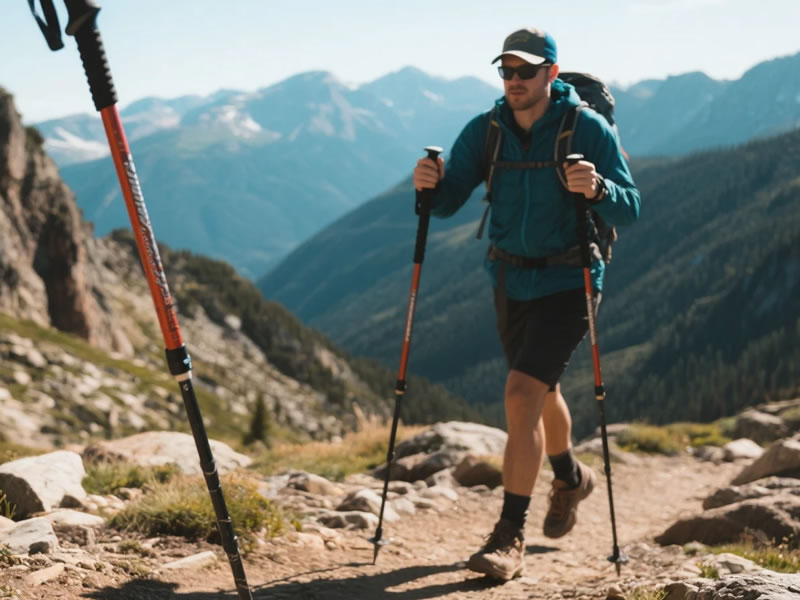
Recommended trekking pole purchase link:https://s.click.aliexpress.com/e/_c4M7OWaN
The Short Answer
The best walking poles for rocky mountain trails are durable aluminum poles with aggressive carbide tips, external flick-lock mechanisms, comfortable cork grips, and the ability to accept replacement parts. The Black Diamond Alpine Cork is the gold standard, proven on countless technical miles. Leki's Sherpa Lite series offers bombproof aluminum construction. For those seeking UK craftsmanship, Mountain King Approach poles feature 7075 aluminum and anti-shock options. Avoid carbon fiber on sharp, angular rock—it can crack catastrophically.
Why Rocky Trails Are So Demanding
Rocky terrain presents unique challenges:
Impact Loading: When you stumble or slip, poles bear sudden, heavy loads. They must hold without collapsing.
Abrasion: Sharp rock edges wear down tips and can score shafts, creating weak points.
Side Loading: Poles are designed for compression, but on uneven ground, they often experience lateral forces that can bend or break them.
Variable Grip: Rock surfaces range from rough and grippy to slick as glass when wet. Tips must perform across this spectrum.
Precision Placement: On technical terrain, you need to plant poles exactly where you want them, not just anywhere.
Critical Features for Rocky Mountain Trails
Durable Shaft Material: 7075 Aluminum
For rocky trails, aluminum has clear advantages over carbon fiber:
| Feature | 7075 Aluminum | Carbon Fiber |
|---|---|---|
| Failure Mode | Bends (gives warning) | Snaps (catastrophic) |
| Impact Resistance | Excellent | Poor—cracks easily |
| Repairability | Can be straightened | Cannot be repaired |
| Weight | Moderate | Lighter |
| Cost | Lower | Higher |
7075 aluminum is an aerospace-grade alloy with exceptional strength-to-weight ratio. It's the material of choice for technical terrain because:
- It bends under extreme stress rather than snapping
- You can see damage before failure
- In an emergency, a bent pole can sometimes be straightened
- It withstands repeated impacts with rock
Aggressive, Replaceable Carbide Tips
The tip is your connection to the rock. On steep, slick terrain, it must bite:
- Carbide is the hardest material used in pole tips, holding its edge against rock
- Replaceable tips are essential—rock wears them down
- Carry spares on multi-day trips
Look for tips with:
- Sharp, well-defined points
- Secure retention (screw-in is best)
- Compatibility with rubber tips for road approaches
External Flick-Locks
Locking mechanisms must hold under sudden loads and resist grit:
- External flick-locks (lever-locks) provide visual confirmation of security
- They can be tightened in the field with a simple hex key
- Grit can be cleaned out easily
- They're less likely to fail catastrophically than internal twist-locks
Comfortable Cork Grips
On long, technical days, grip comfort matters:
- Cork molds to your hand over time
- It absorbs sweat, maintaining grip even when your palms are damp
- It's warm in cold conditions and cool in heat
- It provides excellent vibration damping
Extended grips that allow you to choke down on steep climbs are valuable on rocky terrain.
Interchangeable Baskets
While you might not need large baskets on rock, the ability to swap is useful:
- Standard baskets for most conditions
- Mud baskets for approaches through bogs
- Snow baskets if you're crossing lingering snowfields
Recommended Poles for Rocky Trails
Best Overall: Black Diamond Alpine Cork
The Alpine Cork is the benchmark for technical terrain:
- Shaft: 7075 aluminum—the gold standard for durability
- Grips: Cork—comfortable, sweat-absorbing, molds to your hands
- Locks: FlickLock—reliable, field-serviceable, holds under load
- Tips: Carbide, replaceable
- Baskets: Interchangeable for different conditions
- Proven: Used by guides, thru-hikers, and technical climbers worldwide
Why They Work: The combination of 7075 aluminum and FlickLock mechanisms creates a pole that can withstand the repeated abuse of rocky trails. The cork grips remain comfortable after hours of gripping. They're the complete package.
Best Heavy-Duty: Leki Sherpa Lite
When you need maximum durability:
- Shaft: Aluminum—exceptionally robust
- Grips: Aergon—ergonomic, reduces hand fatigue
- Locks: Speed Lock—proven reliability
- Tips: Carbide, replaceable
- Construction: Built to withstand guiding loads
Why They Work: Leki's Sherpa series is designed for professional guides who need gear that won't fail. The aluminum is thicker than many competitors, and the locks are among the most secure available.
Best UK-Made: Mountain King Approach
For those seeking British craftsmanship:
- Shaft: 7075 aluminum—top-grade alloy
- Anti-Shock: Available on some models (controversial but helpful for some)
- Grips: Foam or cork options
- Construction: Handmade in the UK
- Tips: Carbide, replaceable
Why They Work: Mountain King poles are built by hikers for hikers. The 7075 aluminum is the same alloy used in high-end tent poles, chosen for its strength and durability.
Best Budget: Cascade Mountain Tech Aluminum
For hikers watching their wallet:
- Shaft: Aluminum (not 7075, but decent)
- Grips: Cork on many models—impressive at this price
- Locks: Flick-lock style—functional
- Tips: Carbide, replaceable
- Value: Affordable enough to replace if damaged
Pros: Cork grips at budget prices, decent durability
Cons: Lower-grade aluminum may bend more easily; locks less refined
Essential Accessories for Rocky Trails
Spare Tips
Rock wears down carbide. Carry at least one spare set. When tips become dull, they lose grip—replace them immediately.
Hex Key
Most flick-locks use a small hex screw for tension adjustment. Carry the correct size.
Duct Tape
Wrapped around a pole section, it's available for emergency repairs.
Rubber Tips
For approaches on pavement or rock where you want extra grip and less noise.
Maintenance on Rocky Trails
Daily:
- Inspect tips for wear
- Check lock tension
- Wipe down after dusty sections (grit in locks causes wear)
Weekly:
- Clean locks with a brush
- Check for shaft damage (nicks, bends)
- Tighten all screws
After the Trip:
- Thorough cleaning
- Replace worn tips
- Inspect for damage that may need repair
Techniques for Rocky Terrain
Plant Deliberately: Place tips where you want them, not randomly. Avoid planting on loose rocks that may shift.
Adjust for Grade:
- Shorten poles for steep climbs (better leverage)
- Lengthen for descents (knee protection)
- Keep them shorter on technical sections for better control
Use Three Points of Contact: On exposed terrain, always maintain three points of contact (two feet and one pole, or two poles and one foot).
Don't Pry: Using poles to move rocks or as levers stresses the shafts. Use your foot instead.
Check Before Committing: Test questionable placements with light pressure before transferring full weight.
What Experienced Hikers Say
"I've guided in the Rockies for 15 years," shares Mike, a mountain guide. "I've seen every pole failure imaginable. The ones that survive are aluminum with external locks. My Black Diamond Alpine Corms have been through hell and back."
"The Sherpa Lites are overbuilt, but that's the point," says Jennifer, a climbing ranger. "When you're carrying a heavy pack on technical terrain, you need gear that won't fail. I trust Leki."
The Bottom Line
For rocky mountain trails, your choice of walking poles can mean the difference between a confident, enjoyable hike and a dangerous struggle with failing equipment. Prioritize 7075 aluminum shafts that bend rather than snap, aggressive carbide tips that bite into rock, external flick-locks that hold under sudden loads, and comfortable cork grips that reduce hand fatigue.
The Black Diamond Alpine Cork leads the category as the most trusted pole for technical terrain, combining 7075 aluminum with reliable FlickLock mechanisms and comfortable cork grips. Leki's Sherpa Lite offers bombproof construction for those who want maximum durability. UK-based Mountain King provides excellent 7075 aluminum poles with the option of anti-shock.
Avoid carbon fiber on sharp, angular rock—the risk of catastrophic failure is too high. Carry spare tips, maintain your poles regularly, and they'll support you through the most demanding mountain adventures.
Disclaimer: This article provides general information about gear selection for rocky terrain. Individual experiences vary based on hiking style, pack weight, and specific trail conditions. Always test gear before committing to technical routes.




