




Best Walking Poles for Wet and Slippery Rocks? A Complete Guide to Traction and Safety
Navigating wet, slick rock is one of the most challenging and dangerous aspects of hiking. Whether you're crossing a stream, traversing coastal tide pools, or hiking after rain in mountainous terrain, the wrong pole tips can turn a stable support into a liability. Standard carbide tips, designed to bite into dirt and ice, can skate across wet rock like ice skates, offering zero traction and potentially causing falls. This comprehensive guide explores the best walking poles for wet and slippery conditions and how to ensure you stay upright when surfaces turn treacherous.
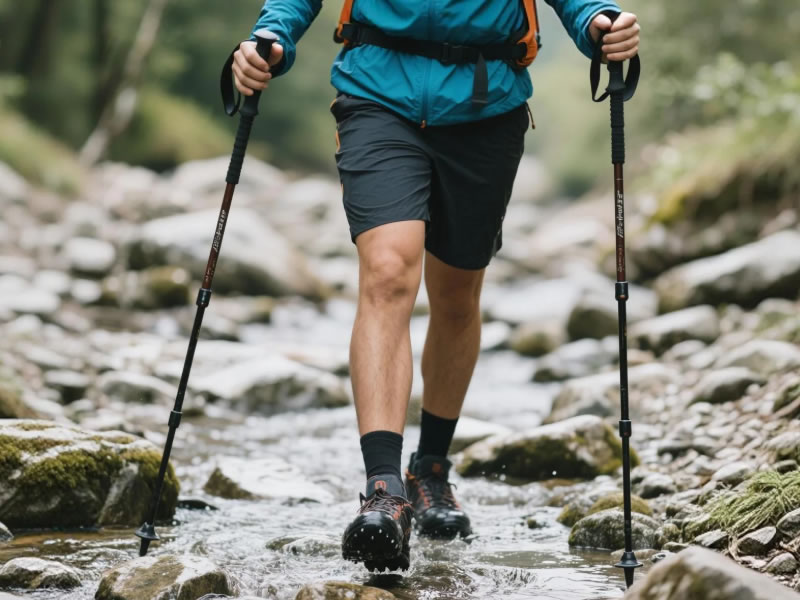
Recommended trekking pole purchase link:https://s.click.aliexpress.com/e/_c4M7OWaN
The Short Answer
For wet and slippery rocks, rubber tips are absolutely essential. Standard carbide tips are dangerously slick on wet stone. Choose poles with interchangeable tip systems that allow you to swap to rubber when conditions demand. The LEKI Makalu series with FlexTip and Black Diamond poles with interchangeable tips are excellent choices. Cork grips provide better traction when wet than rubber or foam. And always carry spare rubber tips—they wear faster than carbide.
Why Wet Rock Is So Dangerous
Understanding the physics explains why tip choice matters:
Carbide on Wet Rock:
Carbide tips are extremely hard and designed to dig into surfaces. On wet rock:
- They have minimal contact area
- Water creates a lubricating layer
- There's nothing to "bite" into
- Result: The tip skates, slides, and offers no purchase
Rubber on Wet Rock:
Rubber tips:
- Have a larger contact area
- Conform slightly to rock texture
- Provide friction through surface contact, not penetration
- Water is displaced, allowing rubber to grip
The difference is dramatic. On a wet, sloped rock, carbide will slip instantly; rubber will hold.
Critical Features for Wet Rock Conditions
Interchangeable Tip Systems (Essential)
You need the ability to switch between:
- Carbide tips for dirt, snow, and dry rock
- Rubber tips for wet rock, pavement, and delicate surfaces
Look for:
- Tool-free tip changes that can be done on the trail
- Secure retention—tips that won't fall off when you need them
- Standardized sizing so replacement tips are readily available
Best systems:
- LEKI FlexTip: Interchangeable with a simple twist; wide variety of tip options
- Black Diamond Interchangeable Tips: Screw-in system, reliable and easy
- Komperdell Vario Tips: European standard, widely available
Rubber Tip Quality
Not all rubber tips are equal:
- Hardness: Softer rubber grips better but wears faster. Look for a balance.
- Tread pattern: Some have textured surfaces that improve grip on wet rock.
- Depth: Deeper tips provide more cushioning and better conformity to rock texture.
Grip Material
Your hands will be wet—from rain, from splashing water, from sweat. Grips must perform:
- Cork is ideal—it remains grippy when wet, absorbs moisture, and doesn't become slippery.
- Textured foam can work well, especially designs that channel water away.
- Avoid smooth rubber—it becomes dangerously slick when wet.
Locking Mechanisms
On wet terrain, you need absolute confidence in your locks:
- Flick-locks provide visual confirmation of security
- Sealed mechanisms resist water infiltration
- Field-adjustable so you can tighten if needed
Recommended Poles for Wet Rock
Best Overall: Leki Makalu Series with FlexTip
Leki's FlexTip system is the gold standard for tip versatility:
- Tips: FlexTip system—quick-change, wide variety including excellent rubber options
- Grips: Cork—excellent wet performance
- Locks: Speed Lock—reliable, well-sealed
- Construction: Durable aluminum
- Rubber Tips Included: Many models come with rubber tips in addition to carbide
Why They Work: The FlexTip system makes changing tips effortless. The cork grips remain secure when wet. The sealed locks resist water infiltration. And Leki's rubber tips are among the best available.
Best Versatile: Black Diamond Poles with Interchangeable Tips
Black Diamond's system offers excellent rubber tip options:
- Tips: Screw-in interchangeable system; rubber tips widely available
- Grips: Cork on Alpine series, foam on Trail series—both good wet options
- Locks: FlickLock—reliable, easy to maintain
- Construction: Durable aluminum or carbon fiber options
- Compatibility: Universal tips available from multiple manufacturers
Why They Work: The screw-in system is secure and easy to use. Black Diamond's rubber tips (Tech Tips) provide excellent traction on wet rock.
Best Budget: Cascade Mountain Tech with Rubber Tips
For hikers on a budget:
- Tips: Standard carbide, but accept universal rubber tips
- Grips: Cork on many models—excellent for the price
- Locks: Flick-lock style—functional
- Value: Affordable; spend the savings on quality rubber tips
Why They Work: The cork grips are surprisingly good at this price point. Add quality rubber tips, and you have a capable wet-rock setup.
Essential Tips for Wet Rock Walking
Always Carry Rubber Tips
Even if you expect dry conditions, mountain weather changes. Streams appear. Rain falls. A set of rubber tips weighs nothing and can save your hike.
Change Tips Before Needed
Don't wait until you're standing on a wet rock to fumble with tip changes. If you anticipate wet sections, swap to rubber at the trailhead or during a dry break.
Test Your Purchase
Before committing to a tricky crossing, plant your pole firmly and test the grip. If it slips, adjust position or find a different spot.
Technique Matters
Even with rubber tips:
- Plant deliberately—place the tip where you want it, don't stab
- Test before weight transfer—ensure the tip is secure
- Keep three points of contact on steep, wet traverses
- Move slowly—sudden movements increase slip risk
Inspect Tips Regularly
Rubber wears faster than carbide. Check for:
- Smooth spots (tread worn away)
- Tears or cracks
- Loose fit on the pole
Replace immediately if compromised.
What About Stream Crossings?
For stream crossings, rubber tips are essential:
- They grip wet rocks on the streambed
- They provide confidence when the current is pushing
- They protect the rock (carbide damages sensitive stream ecosystems)
Pro Tip: For deep crossings, remove baskets to reduce water resistance.
Maintenance After Wet Use
Rinse with Fresh Water
If you've been hiking in coastal areas or mineral-rich streams, rinse tips and poles with fresh water to prevent corrosion.
Dry Thoroughly
Remove rubber tips and allow poles to dry completely before storing. Moisture trapped between tip and pole can corrode the metal.
Check for Debris
Small pebbles can lodge in tip mechanisms. Remove them to ensure proper fit next time.
What Experienced Hikers Say
"I learned the hard way on a wet granite slab in the Sierras," shares Mike, a veteran backpacker. "My carbide tips skated and I went down hard. Now I carry rubber tips always. The difference is night and day."
"The Leki FlexTip system is genius," says Jennifer, a Pacific Northwest hiker. "I can switch from trail to stream crossing in seconds. Their rubber tips have saved me from countless slips on wet coastal rocks."
The Bottom Line
For wet and slippery rocks, the best walking poles are those equipped with high-quality rubber tips. Standard carbide is not just inadequate—it's dangerous. Choose poles with interchangeable tip systems that allow you to swap easily between conditions.
The Leki Makalu series with FlexTip leads the category, offering effortless tip changes, excellent rubber tip options, and cork grips that perform when wet. Black Diamond's interchangeable system provides similar versatility with proven reliability. Budget-conscious hikers can equip Cascade Mountain Tech poles with quality universal rubber tips.
Remember that tips are consumables. Carry spares, inspect them regularly, and replace them when worn. With the right equipment and proper technique, you'll navigate wet, slick rock with confidence rather than fear.
Disclaimer: This article provides general information about gear selection for wet conditions. No tip can guarantee traction on all surfaces. Always exercise caution, test your footing, and prioritize safety on slippery terrain.




