




Best Walking Poles for Hiking in the Scottish Highlands? A Complete Guide to Conquering the Munros
The Scottish Highlands—a landscape of rugged beauty, sweeping glens, and majestic Munros—offer some of the world's most spectacular hiking. But this ancient terrain is also one of the most demanding. It throws everything at you: sharp, schistose rocks; deep, peaty bogs; relentless rain; and rivers that appear from nowhere. Your walking poles need to be as tough and adaptable as the landscape itself. Choosing the wrong ones means struggling through bogs, slipping on wet rock, or dealing with failed mechanisms miles from the trailhead. This comprehensive guide explores the best poles for the Highlands and how to keep them functioning through the most challenging conditions.
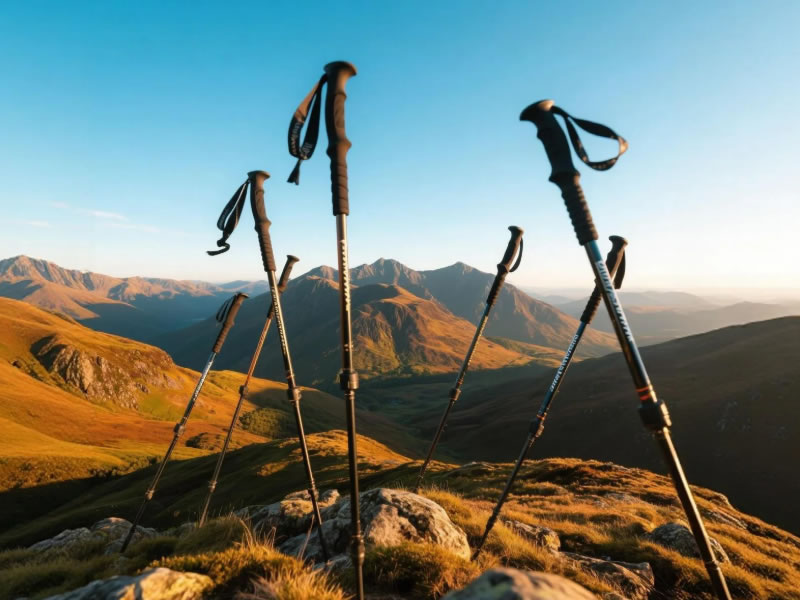
Recommended trekking pole purchase link:https://s.click.aliexpress.com/e/_c4M7OWaN
The Short Answer
The best walking poles for the Scottish Highlands are durable aluminum poles with reliable flick-locks, large baskets for soft ground, aggressive carbide tips for rock, and comfortable cork grips that perform in relentless rain. The Leki Makalu series is a favorite among Munro-baggers for its bombproof construction. The Black Diamond Alpine Cork offers excellent versatility and proven durability. For budget-conscious hikers, Cascade Mountain Tech aluminum poles with added mud baskets can suffice. But regardless of choice, carry spare tips, rinse after boggy hikes, and be prepared for the full spectrum of Highland conditions.
Why the Highlands Are So Demanding
The Scottish Highlands present a unique combination of challenges:
Sharp, Schistose Rock: The geology of the Highlands is often hard, sharp, and abrasive. It will wear down tips and can score shafts.
Deep, Peaty Bogs: The ground can be treacherously soft. Without large baskets, your poles will sink uselessly into the muck.
Unpredictable Weather: You can experience all four seasons in a single day. Rain, wind, sun, and even snow are all possible.
Rivers and Streams: The Highlands are laced with watercourses. You'll need poles for crossings, and they'll get wet.
Remote, Rugged Terrain: There are no gear shops on the summit. Your equipment must be reliable.
Critical Features for the Highlands
Shaft Material: Durable Aluminum
On the sharp, abrasive rocks of the Highlands, aluminum has clear advantages:
- Durability: High-quality aluminum (7075 alloy) withstands impacts with rock.
- Failure Mode: Aluminum bends rather than snaps, giving you warning before catastrophic failure.
- Repairability: In an emergency, a bent pole can sometimes be straightened.
- Proven: The choice of experienced Munro-baggers for generations.
Carbon fiber can work but requires careful handling—one bad crack on a sharp rock and it's finished.
Reliable Flick-Locks (Lever-Locks)
The combination of grit, moisture, and constant adjustment demands reliable locks:
- Flick-locks provide visual confirmation of security.
- They can be tightened in the field with a simple hex key.
- They're easier to clean when grit infiltrates.
- Avoid twist-locks in the Highlands—they're more vulnerable to grit and moisture.
Large, Interchangeable Baskets
Standard baskets are useless in deep, peaty bogs. You need:
- Large mud baskets (3-4 inches) that prevent sinking.
- Interchangeable systems so you can swap for different conditions.
- Snow baskets if you're hiking early or late in the season.
Aggressive, Replaceable Carbide Tips
The rock will wear down tips quickly. You need:
- Carbide tips that bite into rock.
- Replaceable design so you can swap worn tips on the trail.
- Carry spares—Highland rock will eat them.
Comfortable Cork Grips
In the relentless damp, grip matters:
- Cork grips remain grippy even when saturated.
- They absorb sweat and rain without becoming slippery.
- They're warm to the touch in cold conditions.
- They provide excellent vibration damping.
Rinse-Friendly Design
You'll be crossing bogs and streams. Your poles will get muddy. Look for:
- Smooth exteriors without crevices that trap grit.
- Removable baskets for thorough cleaning.
- Accessible mechanisms that can be flushed with fresh water.
Recommended Poles for the Scottish Highlands
Best Overall: Leki Makalu Series
Leki poles are trusted by serious Highland hikers for good reason:
- Construction: Durable 7075 aluminum—bombproof.
- Locks: Speed Lock system—reliable, well-sealed, resistant to grit.
- Grips: Cork or Aergon—excellent comfort in wet conditions.
- Baskets: Interchangeable, large mud baskets available.
- Tips: Carbide, replaceable.
- Proven: Used by guides, mountain rescue, and serious Munro-baggers.
Why They Work: The Speed Locks hold securely despite constant adjustment and grit exposure. The cork grips remain comfortable in the relentless damp. The construction withstands the abuse of sharp rock.
Best Versatile: Black Diamond Alpine Cork
The Alpine Cork is another top choice for Highland hiking:
- Construction: Durable aluminum (7075) or carbon option.
- Locks: FlickLock—reliable, field-serviceable.
- Grips: Cork—excellent wet performance.
- Baskets: Interchangeable, large mud baskets available.
- Tips: Carbide, replaceable.
- Versatility: Handles the full spectrum of Highland conditions.
Why They Work: The flick-locks are easy to maintain when grit gets in. The cork grips remain secure in rain. Add large mud baskets, and you're equipped for bogs, rock, and everything between.
Best UK-Made: Mountain King Approach
For those seeking British craftsmanship:
- Construction: 7075 aluminum—the same alloy used in high-end tent poles.
- Locks: Reliable flick-lock system.
- Grips: Foam or cork options.
- Baskets: Interchangeable, large options available.
- Anti-Shock: Available on some models (personal preference).
- Made in: UK.
Why They Work: Mountain King poles are built by hikers for hikers. The 7075 aluminum is exceptionally strong. They're designed with British conditions in mind.
Best Budget: Cascade Mountain Tech Aluminum
For hikers watching their wallet:
- Construction: Aluminum (not 7075, but decent).
- Grips: Cork on many models—impressive at this price.
- Locks: Flick-lock style—functional.
- Tips: Carbide, replaceable.
- Baskets: May need to purchase large mud baskets separately.
- Value: Affordable enough to replace if damaged.
Pros: Cork grips at budget prices, decent durability.
Cons: Lower-grade aluminum may bend more easily; locks less refined.
Essential Accessories for the Highlands
Large Mud Baskets
Purchase dedicated mud baskets. They're non-negotiable for boggy ground. Test them before your trip.
Spare Tips
Highland rock wears down carbide. Carry at least one spare set. Replace when tips become dull.
Spare Baskets
Baskets can be ripped off in deep bogs. Carry a spare.
Hex Key
Most flick-locks use a small hex screw for tension adjustment. Carry the correct size.
Duct Tape
Wrapped around a pole section, it's available for emergency repairs.
Water Bottle for Rinsing
Keep a dedicated bottle in your car for rinsing gear after boggy hikes before the drive home.
Maintenance After Highland Hikes
Immediate Care:
- Rinse with Fresh Water: Remove all mud, peat, and grit. Pay special attention to locks.
- Extend Sections: Don't collapse wet poles. Allow to air dry.
- Open Locks: Leave flick-locks open to allow internal drying.
- Remove Tips: Take off tips to allow metal to dry.
At Home:
- Thorough Cleaning: Use a brush to remove any remaining grit from locks.
- Dry Completely: Ensure poles are fully dry before collapsing.
- Light Lubrication: Apply a tiny amount of silicone lubricant to moving parts (never oil).
- Inspect for Damage: Check for nicks, bends, or corrosion.
Techniques for Highland Hiking
Adjust for Terrain Constantly:
- Bogs: Use large baskets; keep poles longer to stay upright.
- Rocky Ascents: Shorten poles for better leverage.
- Steep Descents: Lengthen poles for knee protection and braking.
- River Crossings: Use rubber tips for grip on wet rock; remove baskets to reduce resistance.
Plant Deliberately:
- On rock, place tips where they'll get purchase.
- In bogs, let the basket float—don't jam it deep.
Use Three Points of Contact:
On exposed ridges or tricky terrain, maintain three points of contact at all times.
Check Locks Frequently:
The combination of grit and adjustment can loosen locks. Check them regularly.
What Highland Hikers Say
"I've bagged over 100 Munros with my Leki Makalus," shares Duncan, a Glasgow-based hillwalker. "They've been through bogs, schist, and countless river crossings. The Speed Locks have never failed. The cork grips are still comfortable. Worth every penny."
"The Black Diamond Alpine Corms are my go-to for the Cairngorms," says Fiona, an experienced Scottish guide. "The flick-locks are easy to clean when they get bogged, and the cork grips are reliable in the rain. Add large baskets, and you're set."
The Bottom Line
For hiking in the Scottish Highlands, your walking poles need to be as tough and adaptable as the landscape itself. Choose durable aluminum construction, reliable flick-locks that resist grit, large interchangeable baskets for boggy ground, aggressive carbide tips for rock, and comfortable cork grips that perform in relentless rain.
The Leki Makalu series is the gold standard, trusted by serious Munro-baggers for its bombproof construction and reliable performance. The Black Diamond Alpine Cork offers excellent versatility and proven durability. UK-based Mountain King provides exceptional 7075 aluminum poles designed with British conditions in mind. Budget-conscious hikers can manage with Cascade Mountain Tech poles, accepting that they may need more frequent replacement.
Remember that accessories matter as much as the poles themselves. Large mud baskets are non-negotiable. Carry spare tips and baskets. Rinse your poles after every boggy hike. With the right equipment and proper care, your poles will support you through the most challenging and beautiful terrain the Highlands have to offer.
Disclaimer: This article provides general information about gear selection for Scottish conditions. Trail conditions vary by season and weather. Always check current conditions with local authorities, carry appropriate safety equipment, and respect the Scottish Outdoor Access Code.




