




Walking Poles for Winter Walking – Special Features Needed? A Complete Guide to Cold-Weather Trekking
Winter transforms the landscape into a crystalline wonderland, but it also transforms your equipment needs. What works on a sun-baked summer trail can fail spectacularly when temperatures drop and snow covers the ground. Walking poles for winter require specific features: large baskets to prevent sinking, carbide tips that bite into ice, grips that work with gloves, and materials that won't become brittle in the cold. This comprehensive guide explores everything you need to know about choosing and using walking poles for winter adventures.
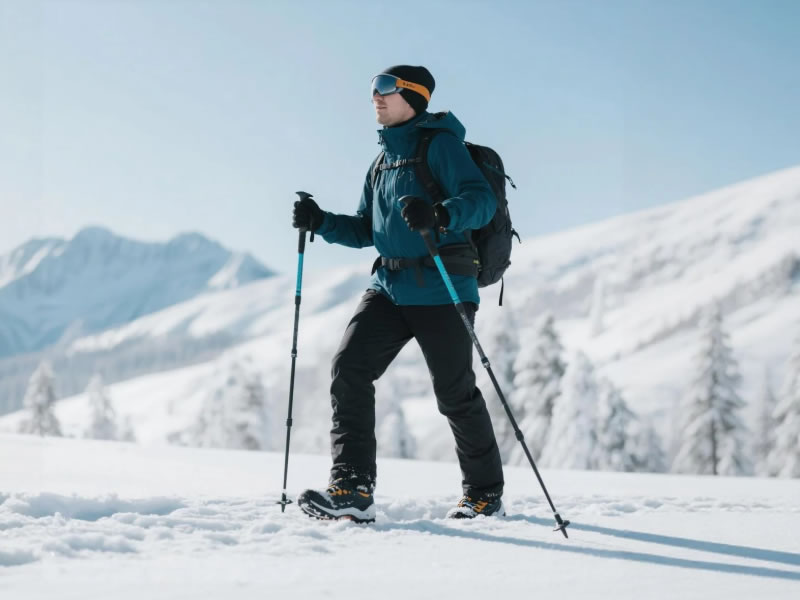
Recommended trekking pole purchase link:https://s.click.aliexpress.com/e/_c4M7OWaN
The Short Answer
Yes, winter walking demands poles with special features. You need large snow baskets (at least 3-4 inches) to prevent sinking into soft snow, aggressive carbide tips for grip on ice, ergonomic grips that work with gloves, and aluminum construction—carbon fiber can become dangerously brittle in extreme cold. The Leki Makalu series is a top pick, often sold with snow baskets included. Black Diamond's alpine poles with flick-locks are another excellent choice. Pro tips: carry spare baskets (they break in cold), use longer poles on descents, and never leave poles standing upright in snow—they can freeze in place.
Why Winter Is Different
Winter conditions present unique challenges for walking poles:
Snow Depth: Without large baskets, poles sink deep into soft snow, providing no support and exhausting your arms.
Ice: Standard tips can skate on icy surfaces. You need aggressive points that bite.
Cold Temperatures: Materials behave differently in extreme cold. Some become brittle.
Gloves: Your hands are insulated. Grips must work with reduced tactile feedback.
Hidden Hazards: Poles probe for hidden ice, unstable snow, and buried obstacles.
Freezing Mechanisms: Moisture can freeze locks solid.
Critical Features for Winter Poles
Large Snow Baskets (Non-Negotiable)
Standard trekking baskets are designed for dirt, not snow. They're too small and allow the pole to sink deep into powder, providing no support.
Look for:
- Baskets at least 3-4 inches in diameter specifically designed for snow
- Interchangeable baskets so you can swap for different conditions
- Secure attachment that won't fail in deep snow
Pro Tip: Some poles come with snow baskets included. If not, purchase them separately—they're essential for winter.
Aggressive Carbide Tips
On ice and hardpack, you need tips that bite:
- Carbide tips are extremely hard and penetrate icy surfaces.
- Look for aggressive points—some winter-specific tips have more pronounced points.
- Replaceable tips are essential—ice wears them.
Specialized Ice Tips: Some manufacturers offer tips specifically designed for ice, with even more aggressive profiles. Consider these for serious winter mountaineering.
Shaft Material: Aluminum (Not Carbon Fiber)
In extreme cold, material choice matters critically:
| Material | Cold Weather Performance |
|---|---|
| Aluminum | Excellent—becomes stronger as temperature drops, bends before breaking |
| Carbon Fiber | Risky—epoxy can become brittle below -20°F, snaps catastrophically |
Why Aluminum Wins: In serious cold, the epoxy that binds carbon fibers can become glass-like and brittle. A pole that would flex at room temperature can snap without warning in winter. Aluminum actually increases in strength as temperatures drop and gives warning (bending) before failure.
Grips That Work with Gloves
Your hands will be gloved. Grips must accommodate this:
- Larger grips are easier to hold with gloves.
- Textured surfaces provide traction even through insulation.
- Extended grips allow you to choke up without adjusting length.
Foam grips are excellent in winter—they're warm to the touch, provide good traction with gloves, and don't get as cold as cork or rubber.
Reliable Locking Mechanisms
Cold, moisture, and grit can compromise locks:
- Flick-locks are generally more reliable in cold than twist-locks.
- They can be adjusted with gloves on.
- If they freeze, they can often be freed by warming.
Sealed mechanisms are even better—they resist ice formation.
Longer Length for Descending
Winter descents on snow require longer poles for stability and braking. Ensure your poles adjust long enough for this.
Self-Arrest Capability
For serious winter travel, poles with extended foam grips allow you to slide your hands down for self-arrest positions—essential if you fall on a steep slope.
Recommended Winter Poles
Best Overall: Leki Makalu Series
Leki poles are trusted by winter guides worldwide:
- Baskets: Large snow baskets included with many models
- Tips: Aggressive carbide, replaceable
- Shaft: Durable aluminum—cold-weather safe
- Locks: Speed Lock system—reliable, well-sealed
- Grips: Aergon—comfortable with gloves
- Self-Arrest: Extended foam grips on some models
Why They Work: The included snow baskets save you money. The aluminum shaft is safe in extreme cold. The Speed Locks hold securely even when gloved.
Best for Self-Arrest: Black Diamond Raven Pro
Designed specifically for winter and alpine use:
- Construction: Durable aluminum
- Grips: Extended foam for self-arrest positions
- Locks: FlickLock—reliable, glove-friendly
- Baskets: Large snow baskets included
- Tips: Aggressive carbide
- Self-Arrest: Integrated design for safety
Why They Work: The extended foam grips allow you to slide your hands down for self-arrest—a critical safety feature on steep, icy terrain.
Best for Adjustability: Black Diamond Trail Pro Shock
For winter hikers who want shock absorption:
- Construction: Aluminum
- Shock Absorption: Reduces jarring on frozen ground
- Locks: FlickLock—reliable
- Baskets: Interchangeable, large snow baskets available
- Grips: Foam—comfortable with gloves
Why They Work: The shock absorption is noticeable on frozen, unforgiving ground. The foam grips are warm and glove-friendly.
Best Budget: Cascade Mountain Tech Aluminum with Snow Baskets
For winter hikers on a budget:
- Construction: Aluminum (not 7075, but decent)
- Grips: Cork or foam options
- Locks: Flick-lock style—functional
- Baskets: May need to purchase snow baskets separately
- Value: Affordable enough to replace if damaged
Pros: Aluminum construction safe for cold, functional locks
Cons: Snow baskets often not included
Essential Accessories for Winter
Snow Baskets
If your poles didn't include them, purchase dedicated snow baskets. They're inexpensive and transform performance.
Spare Baskets
Snow baskets can break in extreme cold or deep snow. Carry a spare.
Basket Removal Tool
Some baskets are difficult to remove with gloves. Carry a small tool if needed.
Gloves
Quality gloves or mittens that allow grip while keeping hands warm. Consider liner gloves for dexterity when adjusting.
Tip Covers
Prevent snow from packing into tip mechanisms when not in use.
Techniques for Winter Walking
Use Larger Baskets Always
In snow, you need maximum flotation. Keep snow baskets on whenever there's any snow depth.
Adjust Length for Terrain:
- Deep snow: Longer poles help you stay upright
- Ascending: Shorten for better leverage
- Descending: Lengthen for stability and braking
- Side-hilling: Keep uphill pole shorter, downhill longer
Probe Before Committing
Use poles to test snow depth and stability before stepping. Hidden ice or voids can be deadly.
Self-Arrest Practice
If your poles have extended grips, practice self-arrest technique before you need it. In a fall, slide hands down, press shaft into snow, and apply pressure.
Check Locks Frequently
Cold can cause mechanisms to loosen. Periodically ensure poles are secure.
Don't Leave Poles Upright in Snow
Planting poles vertically and leaving them can cause them to freeze in place. Lay them flat during breaks.
Warm Frozen Locks
If locks freeze, warm them with your hands or against your body. Never force—you'll break them.
Maintenance After Winter Hikes
Remove Snow Immediately
Snow left on poles will melt and can refreeze in mechanisms.
Dry Thoroughly
Extend sections and allow to dry completely before collapsing. Trapped moisture freezes and expands, damaging components.
Check for Ice
Inspect locks and joints for ice crystals. Remove carefully.
Lubricate Lightly
After drying, apply a tiny amount of silicone lubricant to moving parts. This prevents ice from bonding.
Inspect for Damage
Cold can make materials brittle. Check for cracks or stress points.
Storage
Store poles in a warm, dry place. Never leave them in a freezing car overnight.
Temperature Considerations
How Cold Is Too Cold for Carbon Fiber?
As discussed in previous guides, carbon fiber becomes risky below approximately -20°F to -30°F (-29°C to -34°C). For most winter hiking in temperate regions, this isn't an issue. But for serious winter mountaineering or expeditions, aluminum is safer.
Lock Mechanisms in Extreme Cold
All mechanisms can stiffen in extreme cold. Quality flick-locks from reputable brands are tested for winter use.
What Experienced Winter Hikers Say
"I've used Leki Makalus for a decade of New Hampshire winter hiking," shares Mike, a White Mountains veteran. "The snow baskets are essential—without them, you're just punching holes. The aluminum stands up to the cold, and the locks have never failed."
"The extended grips on my Black Diamond Raven Pros saved me once on an icy slope," says Jennifer, a Colorado winter hiker. "I slipped, slid my hands down, and arrested. Worth the extra cost for that feature alone."
The Bottom Line
Winter walking demands poles with specific features: large snow baskets, aggressive carbide tips, aluminum construction (for serious cold), grips that work with gloves, and reliable locking mechanisms. The Leki Makalu series leads the category with included snow baskets and proven cold-weather reliability. Black Diamond's Raven Pro offers integrated self-arrest capability for serious winter travel. Budget-conscious hikers can manage with Cascade Mountain Tech aluminum poles, purchasing snow baskets separately.
Remember that winter conditions are unforgiving. Test your gear before relying on it. Carry spares. Learn proper technique. With the right poles and knowledge, winter transforms from a limiting season into a magnificent opportunity for adventure.
Disclaimer: This article provides general information about gear selection for winter conditions. Individual experiences vary based on specific conditions and personal equipment. Always check local conditions, carry appropriate safety gear, and be prepared for extreme weather.




