




Best Walking Poles for Birdwatching Hikes? A Complete Guide to Silent, Stable Observation
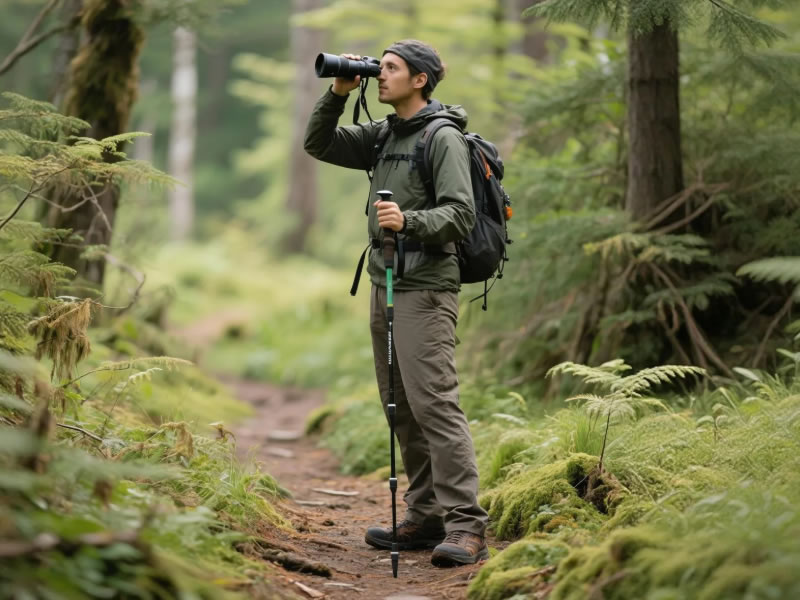
Birdwatching and hiking are natural companions. The quiet pursuit of feathered friends takes you to beautiful places—forests, wetlands, meadows, and mountains. But birding adds unique demands to your walk: you need to move silently, stop suddenly, stand still for extended periods, and frequently raise binoculars or a camera. Walking poles, when chosen thoughtfully, can enhance rather than hinder this experience. This comprehensive guide explores how birdwatchers can select poles that support their passion.
Recommended trekking pole purchase link:https://s.click.aliexpress.com/e/_c4M7OWaN
The Short Answer
Yes, birdwatchers benefit greatly from walking poles designed for quiet, stable use. They provide crucial stability when you're standing still for long minutes, peering through binoculars. They reduce fatigue during slow, meandering walks. And with the right features, they won't scare away your quarry. Look for cork grips (quiet, absorb sweat, comfortable), rubber tips (silent on rocks and trails), and secure locks that don't rattle. Lightweight poles reduce fatigue during long stakeouts. The Black Diamond Alpine Cork is a top pick—quiet, comfortable, and reliable. Pro tip: consider using a single pole to free one hand for binoculars or camera!
Why Birdwatching Demands Different Pole Features
Birding adds unique requirements to hiking:
Silence is Golden: Birds startle easily. The click of metal tips on rock, the rattle of loose mechanisms, or the scrape of a pole against vegetation can send your target flying.
Frequent Stops: Birders stop constantly—to listen, to look, to identify. Poles need to be stable when planted for long periods.
Standing Still: You may stand motionless for minutes, waiting for a bird to appear. Poles provide crucial support during these stakeouts.
Hands-Free Moments: You need to free your hands quickly for binoculars or camera. Poles must be easy to manage or set down.
Slow, Meandering Pace: Birding walks are rarely about covering distance. Poles should support a leisurely, observant pace.
Variable Terrain: Birds are everywhere—from paved paths to muddy marshes to rocky ridges. Poles need to adapt.
Critical Features for Birding Poles
Quiet Operation (Essential)
Every component should be silent:
- Cork grips don't squeak against hands like some materials
- Rubber tips eliminate the "click" of metal on rock
- Secure locks that don't rattle—flick-locks can be adjusted to eliminate play
- Well-fitted sections with minimal movement between joints
The Black Diamond Alpine Cork excels here—its quality construction and cork grips make for silent companions.
Stability for Standing
When you're frozen in place, watching a rare warbler, your poles need to hold steady:
- Rubber tips provide excellent grip on most surfaces
- Large rubber feet (available for many poles) offer even more stability on soft ground
- Secure locks ensure poles don't slowly collapse during long waits
Comfortable Grips for Long Holding
You'll be gripping poles for hours, often with a relaxed hold:
- Cork grips are ideal—they mold to your hands, absorb sweat, and remain comfortable
- Foam grips are a good alternative—cushioned and lightweight
- Extended grips allow varied hand positions, useful during long stakeouts
Lightweight Construction
Birding often involves covering the same ground slowly, then rushing to a spot where something's been spotted. Lightweight poles reduce fatigue:
- Carbon fiber poles are the lightest option (under 10 ounces per pair)
- Lightweight aluminum is a good second choice
One-Pole Option
Many birders prefer using a single pole:
- Frees one hand for binoculars or camera
- Provides stability while allowing more freedom of movement
- Less to manage during quick movements
- Can be tucked under an arm when not needed
Rubber Tips (Essential)
Standard carbide tips are too noisy and can slip on wet surfaces. Rubber tips provide:
- Silent operation
- Better traction on most surfaces
- No damage to boardwalks or viewing platforms
- Slight cushioning for joints
Recommended Poles for Birdwatchers
Best Overall: Black Diamond Alpine Cork
The Alpine Cork is perfectly suited for birding:
- Grips: Cork—quiet, comfortable, absorbent
- Operation: Quality construction minimizes rattles and noise
- Tips: Carbide standard, but add rubber tips for silent operation
- Locks: FlickLock—can be adjusted to eliminate play
- Construction: Durable aluminum—forgiving of bumps
- Weight: Moderate, well-balanced
Why They Work: The cork grips are silent and comfortable. With rubber tips installed, these poles are virtually noiseless. They're reliable and will serve you for years.
Best Ultralight: Black Diamond Distance Carbon Z
For maximum weight savings:
- Weight: Under 10 ounces per pair—barely noticeable
- Grips: Foam—comfortable, quiet
- Construction: Carbon fiber—light, responsive
- Deployment: Z-pole system folds small
- Tips: Carbide standard—add rubber tips
Why They Work: At this weight, you'll barely notice you're carrying poles. Perfect for birders who cover lots of ground between sightings.
Best Adjustable: LEKI Micro Vario Carbon
For those who need length flexibility:
- Weight: Approximately 11 ounces per pair—very light
- Grips: Cork—comfortable, quiet
- Locks: Speed Lock—simple, secure
- Adjustability: Fine-tune for different terrains
- Tips: Carbide—add rubber tips
Why They Work: The cork grips provide comfort during long stakeouts. Adjustability lets you optimize for marsh, forest, or mountain birding.
Best for Stability: LEKI Wanderfreund
For birders who spend long periods standing:
- Grips: Ergonomic Aergon—reduces hand fatigue
- Tips: Rolling tips with rubber option—maintain continuous contact
- Shock Absorption: Built-in—reduces joint impact
- Stability: Excellent on varied terrain
- Operation: Quality construction minimizes noise
Why They Work: The rolling tips provide exceptional stability when you're standing still, and the ergonomic grips keep you comfortable during long waits.
Best Budget: Cascade Mountain Tech Carbon Fiber with Cork Grips
For budget-conscious birders:
- Grips: Cork—comfortable, quiet
- Construction: Carbon fiber—reasonably light
- Locks: Flick-lock style—functional
- Tips: Carbide—add rubber tips
- Value: Affordable
Pros: Cork grips at budget prices, decent weight savings
Cons: Locks less refined, may need occasional adjustment
Essential Accessories for Birding
Rubber Tips (Non-Negotiable)
Buy several pairs. They're essential for silent movement. Carry spares in your pack.
Tip Holders
Keep spare rubber tips accessible for quick changes when you transition between terrain types.
Quiet Basket Option
Some baskets can rattle. Ensure yours are secure or consider removing them for birding (if terrain allows).
Binocular Harness
A good harness keeps binoculars ready while reducing neck strain. Works well with single-pole technique.
Techniques for Birding with Poles
Use a Single Pole
Consider using just one pole, especially in open terrain:
- Frees a hand for binoculars
- Provides stability while allowing more freedom
- Less to manage during quick movements
- Can be tucked under arm when not needed
Move Slowly and Deliberately
Place poles carefully to avoid scraping against vegetation. Lift rather than drag.
Plant Firmly for Stakeouts
When you stop to observe, plant both poles firmly. They'll hold you steady while you glass.
Silence Your Poles
Before heading out:
- Check for rattles; tighten any loose components
- Install rubber tips
- Ensure grips are secure
Pause and Listen
Use your poles as an excuse to stop moving. Plant them, stand still, and just listen for bird calls.
Adjust for Terrain
- Soft ground: Use standard baskets to prevent sinking
- Boardwalks: Rubber tips are essential—they protect the wood and provide silence
- Rocky areas: Rubber tips still work; carbide is unnecessary and noisy
The One-Pole Advantage
Many experienced birders prefer a single pole for several reasons:
- Binocular hand free: You can raise binoculars instantly without fumbling
- Camera ready: Quick access for that perfect shot
- Less to manage: One pole is easier to tuck, set down, or ignore
- Sufficient stability: For most birding terrain, one pole provides enough support
If you try single-pole birding:
- Use the pole on your dominant side or the side that needs most support
- Practice switching hands if you need to rest
- Keep the other pole collapsed in your pack or attached to your daypack
What Birdwatchers Say
"I used to scare off as many birds as I spotted with the click-clack of my metal-tipped poles," shares Mike, an avid birder. "Switched to rubber tips and the difference is incredible. Now I can move silently through the woods."
"I bird with a single Black Diamond pole," says Jennifer, who leads birding walks. "It gives me just enough stability, keeps one hand free for binoculars, and I can tuck it under my arm when I need to move quickly. Perfect setup."
The Mindful Connection
Birdwatching with poles offers something beyond practicality. The slow, deliberate movement encourages mindfulness. The silence heightens your awareness. The stability lets you stand and truly observe. Your poles become part of your connection to the natural world, supporting not just your body but your attention.
The Bottom Line
For birdwatching hikes, the best walking poles are those that fade into the background—quiet, comfortable, and reliable. The Black Diamond Alpine Cork with rubber tips leads the way, offering silent operation, comfortable cork grips, and proven durability. The Black Diamond Distance Carbon Z provides ultralight performance for covering ground between sightings. The LEKI Wanderfreund offers exceptional stability for long stakeouts.
Consider using a single pole to free one hand for binoculars. Always use rubber tips for silent movement. Check your poles for rattles before heading out. And most importantly, let your poles support you as you pursue the feathered wonders of the trail.
Disclaimer: This article provides general information about gear selection for birdwatching. Always respect wildlife, maintain distance from nesting areas, and follow ethical birding practices.




