




Best walking poles for nature photography trips?
Yes, photographers benefit immensely from ultralight, stable poles. They provide crucial stability while waiting for the perfect shot—sometimes for hours. They reduce camera shake when used as a monopod, especially with long lenses. They help carry heavy gear safely to remote locations, freeing your hands and energy for composition. Look for lightweight carbon fiber (reduces fatigue), rubber tips (quiet operation won't scare wildlife), and quick-deploy designs (for fast setup when the light changes). The Black Diamond Distance Carbon Z is the top pick—ultralight, folds small, and doubles as a camera monopod. Pro tip: use your pole as a stabilizer by pressing it against a tree or rock for those long lens shots! This guide explores how nature photographers can choose poles that enhance both the journey and the image-making.
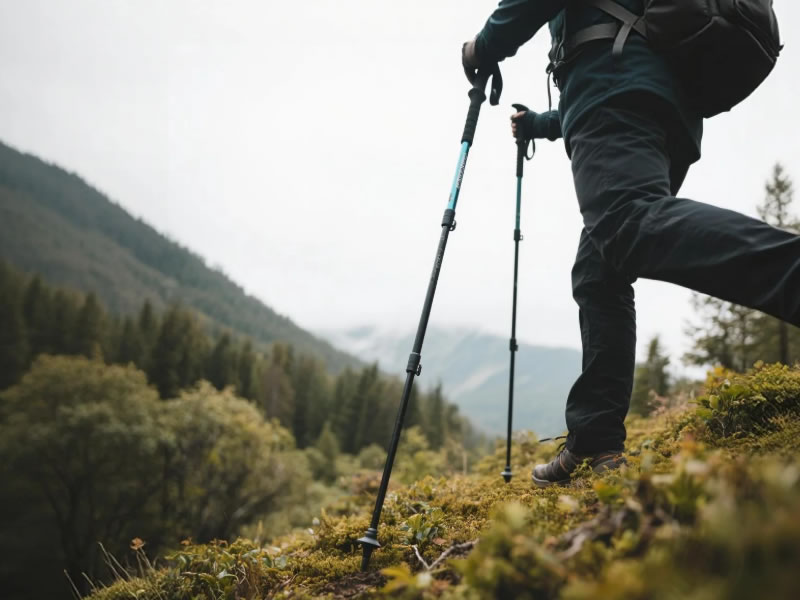
Recommended trekking pole purchase link:https://s.click.aliexpress.com/e/_c4M7OWaN
Why Nature Photography Demands Different Pole Features
Nature photography adds unique demands that standard hiking doesn't:
Waiting Game: You may stand in one spot for hours, waiting for the perfect light or that elusive wildlife moment. Poles provide crucial support during long waits.
Heavy Gear: Cameras, lenses, tripods, and accessories add significant weight. Poles help you carry this load safely.
Stealth Requirements: Wildlife scares easily. Your gear must be quiet—no clicking tips or rattling locks.
Quick Deployment: When the light changes or an animal appears, you need to act fast. Poles that deploy instantly are invaluable.
Monopod Function: A single pole can serve as an improvised monopod, reducing camera shake and supporting heavy lenses.
Stability for Composition: When you're framing the perfect shot, a planted pole can steady your body and help you hold the composition.
Critical Features for Nature Photography Poles
Ultralight Construction
You're already carrying heavy camera gear. Every ounce of pole weight matters:
- Carbon fiber poles are the lightest option (under 10 ounces per pair)
- Ultralight designs reduce fatigue on long approaches
- Light enough to carry in one hand while the other holds your camera
Stability for Long Waits
When you're standing for hours, your poles need to stay planted:
- Rubber tips provide excellent grip on most surfaces
- Large rubber feet offer even more stability on soft ground
- Secure locks ensure poles don't slowly collapse during your wait
Quiet Operation
Wildlife photography demands silence:
- Rubber tips eliminate clicking on rocks
- Cork or foam grips don't squeak
- Secure locks that don't rattle
Monopod Capability
A single pole can serve as a camera support:
- Sturdy enough to bear the weight of a heavy lens
- Tall enough to provide a comfortable shooting height
- Compatible with camera mounts (some photographers attach a small ball head)
Quick-Deploy Design
When wildlife appears, you need to move fast:
- Z-pole (folding) designs snap into place instantly
- Flick-locks are faster than twist-locks
- Practice until deployment is automatic
Packable
When you're set up at a shooting location, you may want to stow your poles:
- Folding designs collapse small
- Light enough to hang from your pack or tripod
Recommended Poles for Nature Photographers
Best Overall: Black Diamond Distance Carbon Z
The Distance Carbon Z is perfectly suited for photographers:
- Weight: Under 10 ounces per pair—barely noticeable
- Deployment: Z-pole system—snaps into place in seconds
- Grips: Foam—comfortable, quiet
- Construction: Carbon fiber—light, responsive
- Tips: Carbide standard—add rubber tips for quiet operation
- Packability: Folds to 34cm—easily stashed
- Monopod potential: Sturdy enough for camera support
Why They Work: On the approach, they help carry heavy gear. At your shooting location, a single planted pole steadies you during long waits. When wildlife appears, they deploy instantly. And they can serve as an emergency monopod. Perfect.
Best for Stability: LEKI Wanderfreund
For photographers who need maximum support during long waits:
- Grips: Ergonomic Aergon—reduces hand fatigue
- Tips: Rolling tips with rubber option—maintain continuous contact
- Shock Absorption: Built-in—cushions each step on the approach
- Stability: Excellent when planted for hours
- Quiet: Quality construction minimizes noise
Why They Work: The rolling tips provide exceptional stability when you're standing in one spot for extended periods. The ergonomic grips keep you comfortable while you wait for the perfect light.
Best Adjustable: LEKI Micro Vario Carbon
For photographers who need length flexibility:
- Weight: Approximately 11 ounces per pair—very light
- Grips: Cork—comfortable, quiet
- Locks: Speed Lock—simple, secure
- Adjustability: Fine-tune for different shooting positions
- Packability: Collapses to 36cm
- Tips: Carbide—add rubber tips
Why They Work: Adjustability lets you optimize for standing, kneeling, or sitting shots. The cork grips are comfortable during long waits.
Best Budget: Cascade Mountain Tech Carbon Fiber with Cork Grips
For budget-conscious photographers:
- Grips: Cork—comfortable, quiet
- Construction: Carbon fiber—reasonably light
- Locks: Flick-lock style—functional
- Tips: Carbide—add rubber tips
- Value: Affordable
Pros: Cork grips at budget prices, decent weight savings
Cons: Locks less refined than premium options
Essential Accessories for Photography
Rubber Tips (Essential)
Buy several pairs. They provide quiet operation and better grip. Carry spares.
Large Rubber Feet
For maximum stability on soft ground, consider larger rubber tips.
Camera Mount Adapter
Some photographers attach a small ball head to their pole, turning it into a monopod. Adapters are available.
Tripod Strap
A strap on your tripod can hold a collapsed pole, keeping it accessible.
Quick-Release Plate
If you use your pole as a monopod, a quick-release plate on your camera lets you attach/detach rapidly.
Techniques for Photographers
Using Your Pole as a Monopod
When you need extra stability for long lenses:
- Plant one pole firmly
- Rest your camera lens on your forearm while holding the pole
- Or use an adapter to attach camera directly
- The pole reduces camera shake significantly
Steadying During Long Waits
When you're waiting for wildlife or the perfect light:
- Plant both poles firmly
- Lean slightly into them
- Shift weight periodically to stay comfortable
- Your poles become a stable platform for hours of patience
Quick Deployment for Action
When an animal appears unexpectedly:
- Poles should deploy in seconds
- Practice until it's automatic
- Keep rubber tips on for quiet movement
- Move slowly and deliberately
Carrying Heavy Gear
On the approach to your shooting location:
- Use both poles for maximum stability
- Balance your load—camera on one side, other gear on the other
- Take frequent breaks to adjust and rest
Stealth Movement
When approaching wildlife:
- Use rubber tips for silent footsteps
- Move slowly, placing poles carefully
- Avoid scraping against vegetation
- Let your poles help you maintain balance while you focus on your subject
Stabilizing for Low Angles
For ground-level nature shots:
- Use a shorter pole setting
- Plant the pole and lean into it
- Steadies your body for precise composition
What Nature Photographers Say
"I hike miles with heavy telephoto gear to get wildlife shots," shares Mike, a professional nature photographer. "My Black Diamond poles are essential on the trail. But the real magic happens when I'm waiting. I plant one pole, lean into it, and can stand comfortably for hours. When an animal appears, I'm ready."
"The LEKI Wanderfreund is my go-to for photography," says Sarah, who specializes in landscape and wildlife. "The rolling tip means it stays planted even when I shift my weight. I use it as a monopod for my 500mm lens. Rock steady."
The Photographer's Third Leg
For nature photographers, a walking pole becomes more than hiking gear. It's:
- A porter, helping carry heavy equipment
- A monopod, stabilizing long lenses
- A shooting stick, steadying your body
- A blind, helping you remain still and quiet
- A companion during long waits for the perfect light
The Bottom Line
For nature photographers who hike to their subjects, walking poles are invaluable tools. They support the journey in, steady the body during hours of waiting, and even serve as camera supports. The Black Diamond Distance Carbon Z leads the way with ultralight construction, instant deployment, and rock-solid stability. The LEKI Wanderfreund offers exceptional steadiness for photographers who need maximum support. The LEKI Micro Vario Carbon provides adjustability for different shooting positions.
Add rubber tips for quiet, stable operation. Practice quick deployment so you're ready when wildlife appears. And most importantly, let your poles become part of your photographic process—a tool that helps you capture the images you envision.
Disclaimer: This article provides general information about gear selection for nature photography. Always respect wildlife, maintain safe distances, and follow ethical photography practices.




