




Trekking poles Carbide tips vs steel tips – which lasts longer?
The tip of your trekking pole is the point of contact with the ground—literally. It endures thousands of impacts, scrapes across rock, bites into hardpack, and gradually wears down with every mile. The material of that tip directly determines how long it will perform before replacement becomes necessary. Two materials dominate the market: tungsten carbide and hardened steel. While both can get the job done, their longevity differs dramatically. This deep dive examines the material science, real-world wear rates, and cost implications to help you choose the right tip for your hiking style and budget.
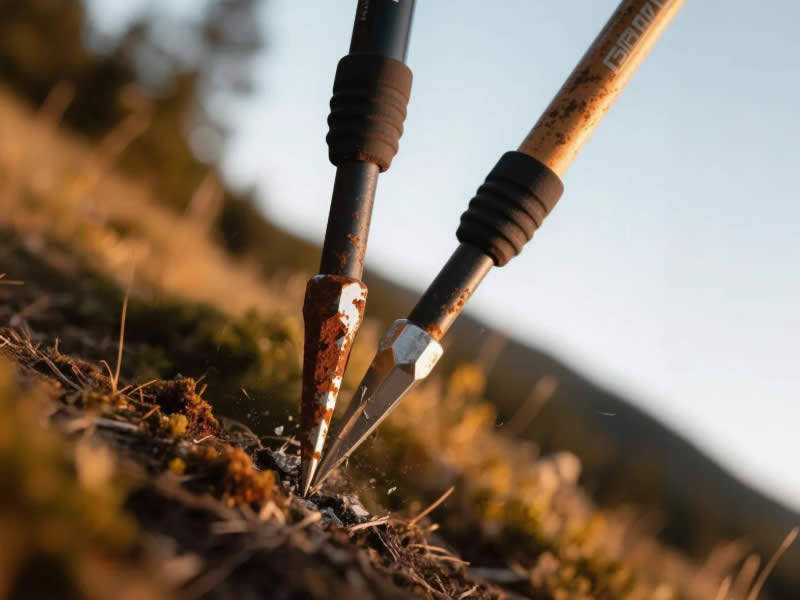
Recommended trekking pole purchase link: https://s.click.aliexpress.com/e/_c4M7OWaN
Understanding the Materials
Tungsten Carbide:
Tungsten carbide is a composite material made from tungsten and carbon atoms bonded together. It is one of the hardest materials available for industrial applications—typically ranking between 8.5 and 9 on the Mohs hardness scale (diamond is 10). This extreme hardness gives carbide tips exceptional resistance to abrasion.
Key properties:
- Hardness: 8.5–9 Mohs
- Brittleness: Can chip under extreme impact
- Wear rate: Extremely slow on rock and abrasive surfaces
- Cost: Higher manufacturing cost
Hardened Steel:
Steel tips are made from high-carbon steel that has been heat-treated to increase hardness. While significantly harder than untreated steel, they remain substantially softer than tungsten carbide—typically around 5–6 on the Mohs scale.
Key properties:
- Hardness: 5–6 Mohs
- Toughness: More ductile than carbide; resists chipping
- Wear rate: Moderate to fast on abrasive surfaces
- Cost: Lower manufacturing cost
Wear Rate Comparison
The real-world lifespan of a trekking pole tip depends heavily on terrain, but controlled comparisons reveal consistent patterns:
On abrasive rock (granite, sandstone, volcanic):
- Carbide tips: 500–1,000+ miles before noticeable wear; often last the life of the pole with occasional replacement
- Steel tips: 100–300 miles before significant wear; may require replacement every season for frequent hikers
On dirt, grass, and soft trails:
- Carbide tips: 1,500+ miles; wear is minimal
- Steel tips: 500–1,000 miles; wear is gradual
On pavement or concrete (urban walking):
- Both materials wear faster, but steel wears significantly faster—sometimes within 50–100 miles
Why Carbide Lasts Longer
The extreme hardness of tungsten carbide gives it a fundamental advantage: it resists the microscopic abrasion that gradually wears away softer materials. When you plant a pole on rock, the tip encounters countless tiny abrasive particles. Carbide simply shears these particles without losing its own mass. Steel, being softer, loses material with each abrasion cycle.
Additionally, carbide tips often feature a more durable bonding method. Quality carbide tips are either brazed into a steel housing or formed as a solid carbide insert. This creates a tip that resists both wear and separation from the pole.
The Trade-Off: Brittleness
Carbide’s hardness comes with a trade-off: brittleness. A carbide tip subjected to a sharp lateral impact—like jamming it between rocks or hitting a hidden steel object—can chip or crack. Steel tips, being more ductile, may deform but rarely shatter.
Real-world implication: For most hikers, carbide’s wear resistance far outweighs the rare risk of chipping. Unless you frequently hike in areas with extreme rock contact (scrambling, talus fields) where tip impacts are brutal, carbide is the superior choice.
Tip Design Matters
Longevity is not solely about material. The design of the tip and its replaceability also factor in:
- Replaceable tips: Most quality poles use screw-in or friction-fit tips that can be replaced when worn. This makes the tip material choice more important—you can refresh the pole indefinitely.
- Fixed tips: Budget poles often have molded-in tips that cannot be replaced. Once worn, the pole is functionally compromised.
- Tip geometry: Conical tips wear more evenly than cylindrical tips. Some brands use multi-faceted carbide tips that maintain grip even as they wear.
Cost-Per-Mile Analysis
| Tip Type | Initial Cost | Lifespan (miles) | Replacement Cost | Cost Per 1,000 Miles |
|---|---|---|---|---|
| Carbide | Higher (built into pole price) | 500–1,000+ | $10–$20 per pair | $10–$40 |
| Steel | Lower (built into pole price) | 100–300 | $5–$15 per pair | $50–$150+ |
Over the life of the poles, carbide tips are significantly more economical for frequent hikers.
Which Should You Choose?
Choose Carbide Tips if:
- You hike regularly on rocky or abrasive terrain
- You log more than 200 miles per year
- You want minimal maintenance and longer intervals between replacements
- You are willing to pay a slightly higher upfront cost for long-term value
Choose Steel Tips if:
- You hike primarily on soft trails (dirt, grass, snow)
- You use poles occasionally (less than 100 miles per year)
- You are on a tight budget for initial purchase
- You prefer the slightly tougher (less chipping) nature of steel for extreme impacts
The Verdict
Carbide tips last significantly longer—often three to five times longer than steel tips under the same conditions. For anyone who hikes regularly, especially on rocky terrain, the investment in carbide-tipped poles pays for itself in reduced replacement frequency and consistent performance.
Steel tips have their place: for casual hikers, soft-terrain specialists, or those who treat poles as disposable items, they provide adequate service at a lower entry price. But for serious trekkers, carbide’s superior longevity makes it the clear winner.
Your tips take every step you take. Choose material that keeps up with your miles.




